Analysis of "蝶恋花·春景" - Classical Chinese Poetry
Introduction
The poem Dié Liàn Huā·Chūn Jǐng (蝶恋花·春景), also known as Butterflies in Love with Flowers: Spring Scene, is a famous cí (词) poem by the renowned Song Dynasty poet Sū Shì (苏轼, 1037–1101), also known as Su Dongpo. A master of classical Chinese literature, Sū Shì was a statesman, calligrapher, and gastronome whose poetry often blended lyrical beauty with philosophical depth.
This poem is a quintessential example of wǎnyuē (婉约, graceful and restrained) style, capturing the fleeting beauty of spring and the bittersweet emotions of love and longing. It remains one of the most celebrated works in Chinese literary history, admired for its delicate imagery and emotional resonance.
The Poem: Full Text and Translation
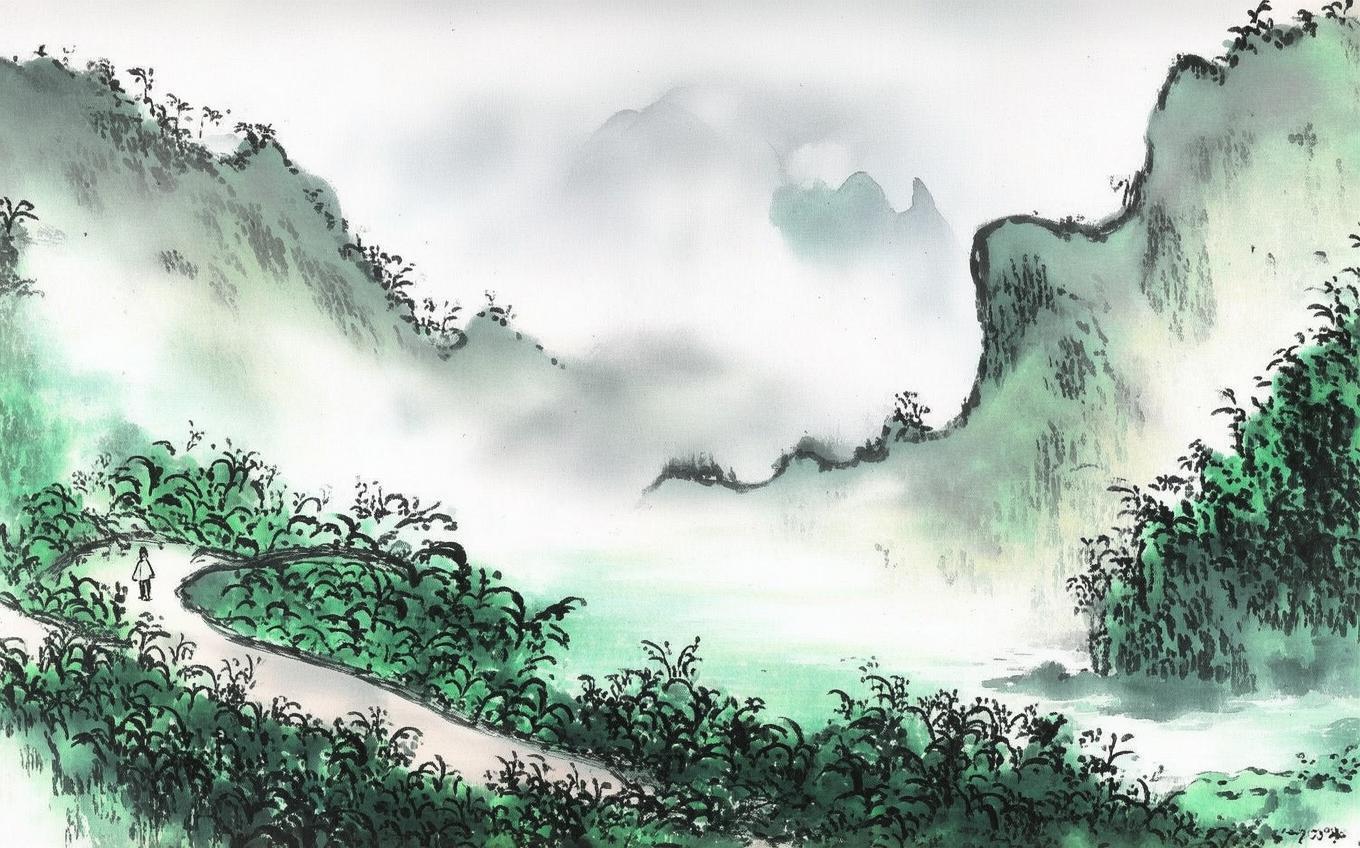
花褪残红青杏小
Huā tuì cán hóng qīng xìng xiǎo
Fading red blossoms, green apricots still small,燕子飞时,绿水人家绕
Yànzi fēi shí, lǜ shuǐ rénjiā rào
When swallows fly, green waters wind round the house.枝上柳绵吹又少
Zhī shàng liǔ mián chuī yòu shǎo
Willow down on the branches dwindles with each breeze,天涯何处无芳草
Tiānyá hé chù wú fāng cǎo
Where under heaven is there no fragrant grass?墙里秋千墙外道
Qiáng lǐ qiūqiān qiáng wài dào
Inside the wall, a swing; outside, a path.墙外行人,墙里佳人笑
Qiáng wài xíngrén, qiáng lǐ jiārén xiào
A passerby outside hears a beauty’s laughter within.笑渐不闻声渐悄
Xiào jiàn bù wén shēng jiàn qiāo
The laughter fades, the sound grows faint,多情却被无情恼
Duōqíng què bèi wúqíng nǎo
The sentimental is vexed by the indifferent.
Line-by-Line Analysis
-
"Fading red blossoms, green apricots still small"
- The opening line sets a spring scene where flowers wither, and young apricots emerge, symbolizing the passage of time and renewal. -
"When swallows fly, green waters wind round the house"
- Swallows are migratory birds associated with spring. The "green waters" evoke vitality, while the imagery suggests harmony between nature and human dwellings. -
"Willow down on the branches dwindles with each breeze"
- Willow catkins (柳绵 liǔ mián) scatter in the wind, a metaphor for transience and the fragility of beauty. -
"Where under heaven is there no fragrant grass?"
- A rhetorical question suggesting that beauty and opportunity exist everywhere, yet the speaker feels a sense of melancholy despite this abundance. -
"Inside the wall, a swing; outside, a path"
- The wall divides two worlds: the carefree joy of the swing (youth, love) and the solitary traveler outside. -
"A passerby outside hears a beauty’s laughter within"
- The laughter symbolizes unattainable happiness, emphasizing the separation between the observer and the observed. -
"The laughter fades, the sound grows faint"
- The ephemeral nature of joy—what is heard briefly cannot be held onto. -
"The sentimental is vexed by the indifferent"
- The traveler’s longing contrasts with the obliviousness of the laughing girl, highlighting the pain of unrequited emotion.
Themes and Symbolism
-
Transience of Spring (and Life)
- The fading flowers and scattering willow down reflect the fleeting nature of beauty and youth, a common theme in Chinese poetry. -
Unrequited Love and Longing
- The "wall" symbolizes emotional barriers, while the laughter represents joy just out of reach—an allegory for love that is observed but not shared. -
Nature’s Indifference to Human Emotion
- The poem contrasts human sentimentality (duōqíng) with nature’s indifference (wúqíng), a Daoist-influenced meditation on acceptance.
Cultural Context
- Song Dynasty Aesthetics: The poem exemplifies cí poetry’s musicality and emotional subtlety, often sung to melodies.
- Philosophical Undercurrents: Sū Shì, influenced by Chan Buddhism and Daoism, often explored themes of impermanence and detachment.
- Literary Legacy: This work inspired later poets and painters, becoming a cultural touchstone for expressing yōu mò (幽默, quiet melancholy).
Conclusion
Dié Liàn Huā·Chūn Jǐng is a masterpiece of understated elegance, weaving natural imagery with profound emotional depth. Its depiction of spring’s beauty and the ache of unfulfilled desire resonates across centuries, reminding readers of the universal human experience of longing and the passage of time.
For modern audiences, the poem invites reflection on how we perceive joy and sorrow—how often, like the passerby, we are moved by moments we cannot possess. In this way, Sū Shì’s words remain timeless, bridging the gap between ancient China and today’s world.


Comments (0)
No comments yet. Be the first to comment!