Analysis of "水龙吟·登建康赏心亭" - Classical Chinese Poetry
Introduction
The poem Shuǐ Lóng Yín·Dēng Jiànkāng Shǎngxīn Tíng (水龙吟·登建康赏心亭) was written by Xin Qiji (辛弃疾, 1140–1207), one of the greatest poets of the Southern Song Dynasty. Known for his military prowess and patriotic fervor, Xin Qiji's poetry often reflects his frustration over the dynasty's inability to reclaim northern China from the Jurchen invaders.
This ci (lyric poem) is a masterpiece of classical Chinese literature, blending vivid imagery with deep emotional resonance. It captures the poet's sorrow over lost opportunities, his longing for his homeland, and his unfulfilled ambitions.
The Poem: Full Text and Translation
楚天千里清秋,
Chǔ tiān qiān lǐ qīng qiū,
The southern sky stretches a thousand miles in clear autumn,水随天去秋无际。
Shuǐ suí tiān qù qiū wú jì.
The river flows to the horizon, autumn without end.遥岑远目,
Yáo cén yuǎn mù,
Gazing at distant peaks,献愁供恨,
Xiàn chóu gōng hèn,
They offer sorrow and regret,玉簪螺髻。
Yù zān luó jì.
Like jade hairpins and spiral coils.落日楼头,
Luò rì lóu tóu,
Atop the tower, the setting sun,断鸿声里,
Duàn hóng shēng lǐ,
Amidst the cries of a lone swan,江南游子。
Jiāngnán yóu zǐ.
A wanderer in the south.把吴钩看了,
Bǎ Wú gōu kàn le,
I look at my sword,栏杆拍遍,
Lán gān pāi biàn,
Slapping the railings in frustration,无人会,登临意。
Wú rén huì, dēng lín yì.
No one understands my thoughts upon this height.休说鲈鱼堪脍,
Xiū shuō lú yú kān kuài,
Don’t speak of perch so fine for slicing,尽西风,季鹰归未?
Jìn xī fēng, Jì Yīng guī wèi?
Though the west wind blows, has Ji Ying returned?求田问舍,
Qiú tián wèn shě,
Seeking fields and houses,怕应羞见,
Pà yīng xiū jiàn,
Should feel ashamed to face,刘郎才气。
Liú láng cái qì.
The talent of Liu Bei.可惜流年,
Kě xī liú nián,
Alas, the fleeting years,忧愁风雨,
Yōu chóu fēng yǔ,
Sorrowed by wind and rain,树犹如此!
Shù yóu rú cǐ!
Even trees grow old!倩何人唤取,
Qiàn hé rén huàn qǔ,
Who can I ask to summon,红巾翠袖,
Hóng jīn cuì xiù,
A maiden with red sleeves,揾英雄泪?
Wèn yīng xióng lèi?
To wipe a hero’s tears?
Line-by-Line Analysis
Opening Imagery (Lines 1–5)
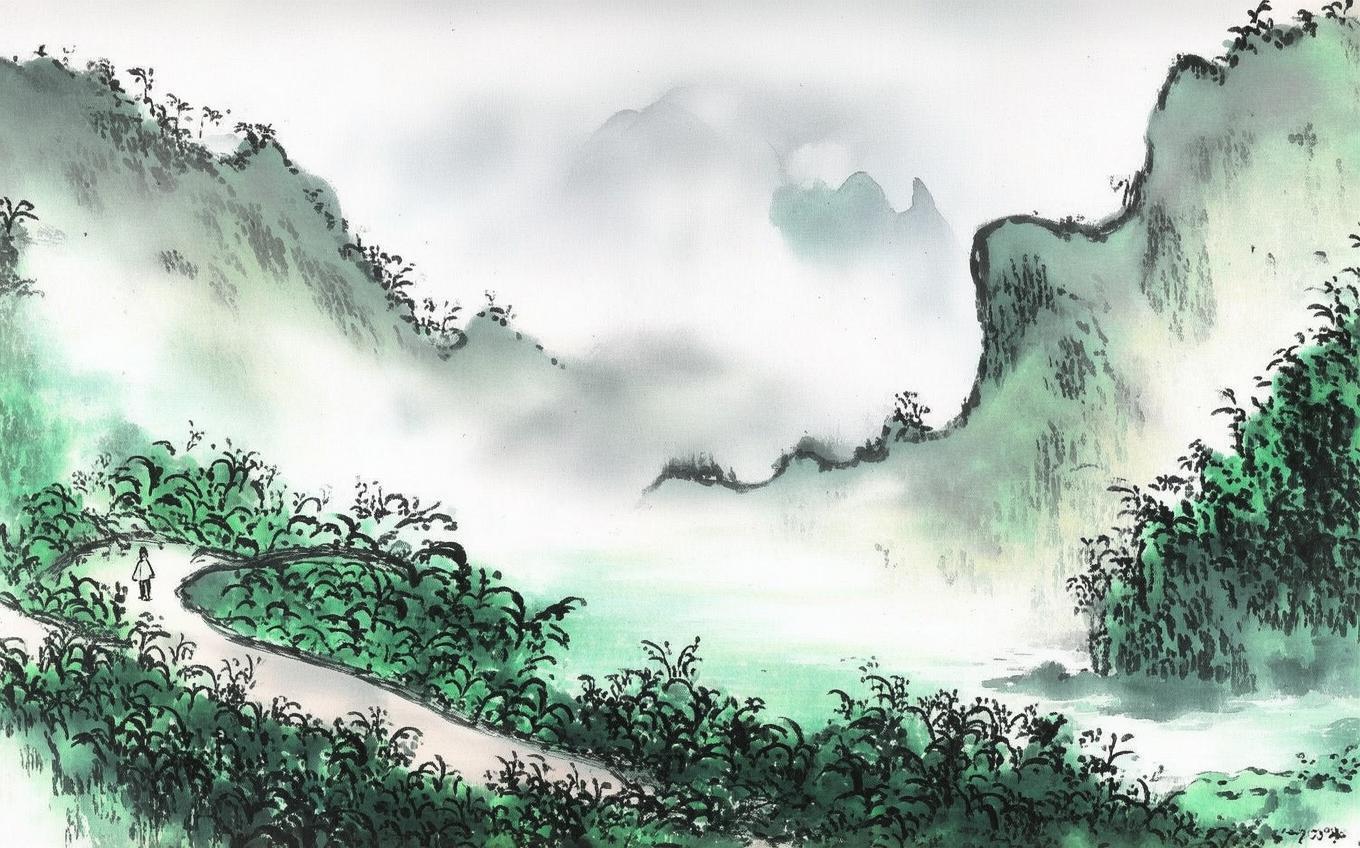
The poem begins with a vast autumn landscape—"The southern sky stretches a thousand miles in clear autumn"—setting a melancholic tone. The "river flowing to the horizon" symbolizes the endless passage of time and unfulfilled ambitions. The "distant peaks" resemble "jade hairpins and spiral coils," a metaphor for beauty tainted by sorrow.
Loneliness and Frustration (Lines 6–11)
The "setting sun" and "lone swan" evoke isolation, while the "wanderer in the south" refers to Xin Qiji himself, exiled from his northern homeland. The poet "slaps the railings in frustration"—a gesture of helplessness—as no one understands his yearning to fight for his country.
Historical Allusions (Lines 12–19)
Xin Qiji references two historical figures:
1. Ji Ying (张翰), who abandoned office for home-cooked perch, symbolizing retreat.
2. Liu Bei (刘备), a heroic leader, contrasting with petty men who seek only personal gain.
The poet laments "fleeting years" and compares himself to an aging tree, emphasizing his despair over wasted time.
Final Plea (Lines 20–22)
The poem ends with a poignant question: Who will comfort this weeping hero? The "maiden with red sleeves" symbolizes unattainable solace, underscoring Xin Qiji’s profound loneliness.
Themes and Symbolism
- Patriotism & Frustration: The poet’s desire to reclaim lost territory is palpable.
- Time’s Passage: Autumn and aging trees symbolize fleeting opportunities.
- Isolation: The lone swan and unanswered cries reflect Xin Qiji’s solitude.
Cultural Context
Written during the Southern Song Dynasty (1127–1279), this poem mirrors the era’s political strife. Xin Qiji, a military leader turned poet, channeled his thwarted ambitions into verse. The work exemplifies ci poetry’s emotional depth and classical allusions, resonating with Confucian ideals of loyalty and duty.
Conclusion
Shuǐ Lóng Yín·Dēng Jiànkāng Shǎngxīn Tíng is a timeless lament—a fusion of natural beauty, historical reflection, and personal anguish. Xin Qiji’s words transcend centuries, reminding us of the universal struggles for purpose and belonging. For modern readers, it offers a window into the soul of a poet-warrior and the enduring spirit of Chinese literary tradition.

Comments (0)
No comments yet. Be the first to comment!