Analysis of "钗头凤·红酥手" - Classical Chinese Poetry
Introduction
"钗头凤·红酥手" (Chāi Tóu Fèng · Hóng Sū Shǒu) is one of the most famous lyric poems (cí) by Lu You (陆游, 1125–1210), a prominent poet of the Southern Song Dynasty. This heart-wrenching work reflects the poet's deep sorrow over a lost love—his first wife, Tang Wan (唐琬), whom he was forced to divorce due to familial pressures. The poem is celebrated for its emotional depth, vivid imagery, and tragic beauty, making it a timeless masterpiece in Chinese literature.
The Poem: Full Text and Translation
Original Text & Translation
红酥手,黄縢酒,满城春色宫墙柳。
Hóng sū shǒu, huáng téng jiǔ, mǎn chéng chūn sè gōng qiáng liǔ.
"Your rosy hands so fine, / Yellow-label wine, / Spring paints the willows green palace walls confine."东风恶,欢情薄,一怀愁绪,几年离索。错,错,错!
Dōngfēng è, huān qíng báo, yī huái chóu xù, jǐ nián lí suǒ. Cuò, cuò, cuò!
"The east wind unfair, / Happy times rare. / In my heart sad thoughts throng; / We’ve severed for years long. / Wrong, wrong, wrong!"春如旧,人空瘦,泪痕红浥鲛绡透。
Chūn rú jiù, rén kōng shòu, lèi hén hóng yì jiāo xiāo tòu.
"Spring is as green, / In vain she’s lean. / Her kerchief soaked with tears and red with stains unclean."桃花落,闲池阁,山盟虽在,锦书难托。莫,莫,莫!
Táohuā luò, xián chí gé, shān méng suī zài, jǐn shū nán tuō. Mò, mò, mò!
"Peach blossoms fall / Near deserted hall. / Our oath is still there. Lo! / No words to her can go. / No, no, no!"
(Translation adapted from Xu Yuanchong’s poetic rendition)
Line-by-Line Analysis
-
"红酥手,黄縢酒" (Rosy hands, yellow-label wine)
- The opening evokes a bittersweet memory of Tang Wan serving him wine—a symbol of their past happiness.
- "Rosy hands" suggests elegance and tenderness, while "yellow-label wine" was a premium drink, indicating cherished moments. -
"东风恶,欢情薄" (The east wind unfair, happy times rare)
- "East wind" (Dōngfēng) metaphorically represents oppressive forces (his mother’s interference).
- The abrupt shift from warmth to bitterness underscores the cruelty of fate. -
"错,错,错!" (Wrong, wrong, wrong!)
- The triple repetition conveys Lu You’s anguish and regret over their forced separation. -
"泪痕红浥鲛绡透" (Her kerchief soaked with tears and red with stains unclean)
- "Red stains" may symbolize blood from heartbreak or rouge from her makeup, blending beauty and sorrow. -
"山盟虽在,锦书难托" (Our oath is still there, but no words to her can go)
- Their love vows (shān méng, "mountain-high oaths") remain, yet societal barriers prevent communication. -
"莫,莫,莫!" (No, no, no!)
- A resigned, despairing refrain—accepting that their reunion is impossible.
Themes and Symbolism
Love and Loss
The poem is a lament for lost love, intensified by the poet’s helplessness against Confucian familial duties.
Nature’s Indifference
Spring’s beauty ("willows green," "peach blossoms") contrasts with human suffering, emphasizing life’s fleeting joys.
Symbolism
- Wine and Hands: Symbols of intimacy and nostalgia.
- East Wind: A destructive force, akin to familial opposition.
- Silk Kerchief: Represents Tang Wan’s enduring grief.
Cultural Context
Historical Background
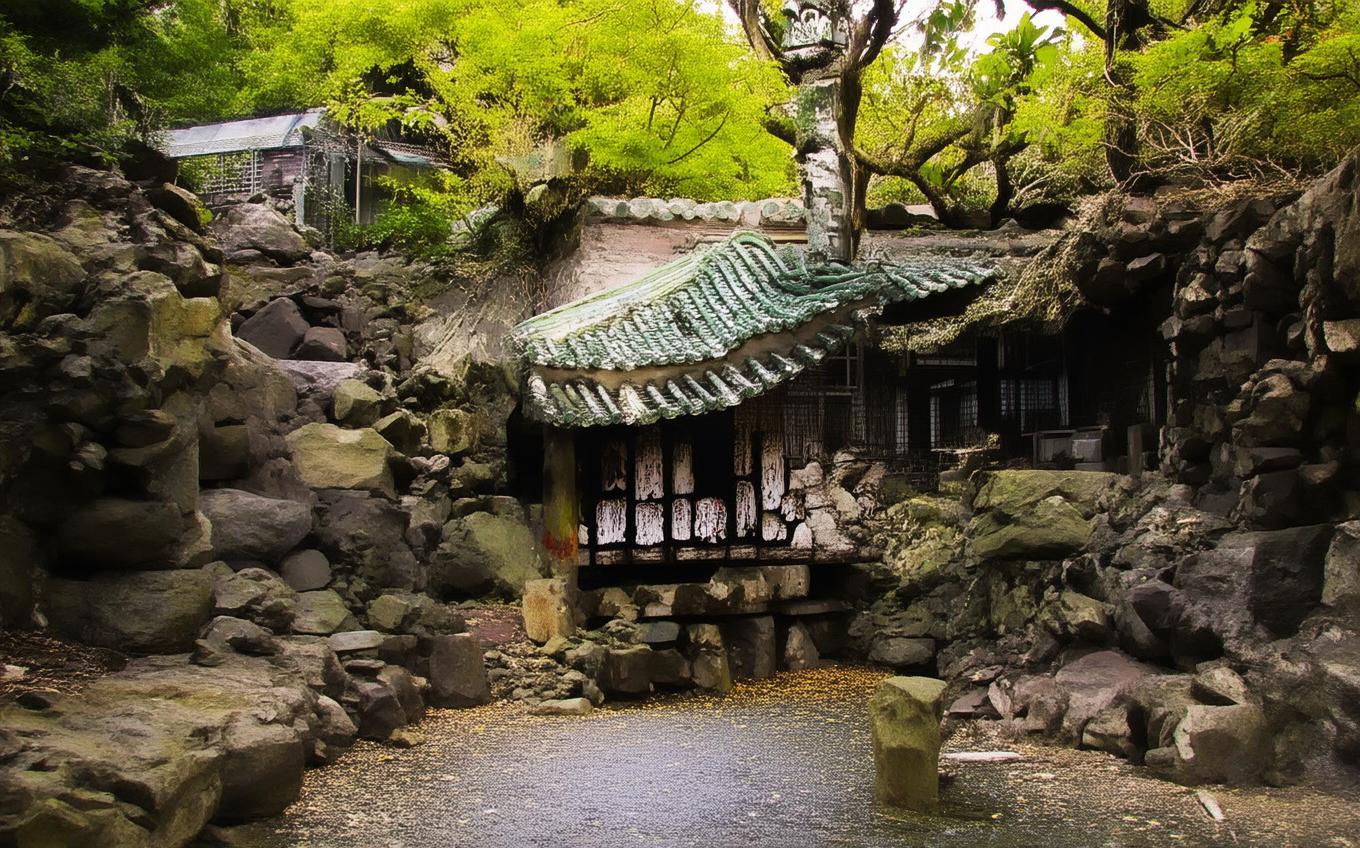
In Song Dynasty China, marriages were often arranged, and parental authority overrode personal desires. Lu You’s mother disapproved of Tang Wan, leading to their divorce. Years later, they met again at Shen Garden (沈园), where this poem was inscribed on a wall.
Confucian Conflict
The poem reflects the tension between filial piety (obeying parents) and romantic love, a recurring theme in classical Chinese literature.
Conclusion
"钗头凤·红酥手" is a masterpiece of emotional rawness and lyrical elegance. Its enduring appeal lies in its universal themes—love, regret, and the cruel hand of fate. For modern readers, it offers a window into the complexities of Song Dynasty society while resonating across cultures as a timeless elegy for lost love.
As Lu You himself might whisper across the centuries: some sorrows never fade, but neither does their beauty when etched into poetry.

Comments (0)
No comments yet. Be the first to comment!