Analysis of "渔歌子·西塞山前白鹭飞" - Classical Chinese Poetry
Introduction
"渔歌子·西塞山前白鹭飞" (Yú Gē Zǐ: Xī Sài Shān Qián Bái Lù Fēi) is a famous cí (lyric poetry) written by Zhang Zhihe (张志和), a Tang Dynasty poet and recluse. Composed during the 8th century, this poem is part of the Yú Gē Zǐ song series, which celebrates the idyllic life of fishermen and the harmony between humans and nature.
Zhang Zhihe was known for his Taoist inclinations and love for nature, and this poem reflects his philosophy of simplicity and detachment from worldly pursuits. It is celebrated for its vivid imagery, rhythmic beauty, and embodiment of the Chinese ideal of living in harmony with the natural world.
The Poem: Full Text and Translation
西塞山前白鹭飞
Xī sài shān qián bái lù fēi
Before Western Mountain, egrets fly freely.桃花流水鳜鱼肥
Táo huā liú shuǐ guì yú féi
Peach blossoms drift on flowing water, mandarin fish grow plump.青箬笠,绿蓑衣
Qīng ruò lì, lǜ suō yī
A blue bamboo hat, a green straw raincoat—斜风细雨不须归
Xié fēng xì yǔ bù xū guī
In slanting wind and drizzling rain, no need to return home.
Line-by-Line Analysis
-
"Before Western Mountain, egrets fly freely."
- The opening line sets a tranquil scene with Western Mountain (西塞山) as a backdrop, a real location in Hubei Province. The egrets (白鹭) symbolize purity and freedom, gliding effortlessly—a metaphor for the poet’s carefree spirit. -
"Peach blossoms drift on flowing water, mandarin fish grow plump."
- Peach blossoms (桃花) evoke springtime and renewal, while the flowing water suggests the passage of time. The mandarin fish (鳜鱼) represent abundance, reinforcing the theme of nature’s generosity. -
"A blue bamboo hat, a green straw raincoat—"
- The fisherman’s attire (箬笠 and 蓑衣) is simple yet functional, symbolizing a life unburdened by materialism. The colors blue (青) and green (绿) reflect the natural world’s palette. -
"In slanting wind and drizzling rain, no need to return home."
- The final line reveals the poem’s essence: contentment in solitude and nature’s embrace. The wind and rain are not obstacles but part of the beauty—why return to society when one is at peace?
Themes and Symbolism
1. Harmony with Nature
The poem embodies Taoist ideals, where humans coexist effortlessly with their surroundings. The fisherman is not a conqueror of nature but a participant in its rhythms.
2. Rejection of Worldly Concerns
The phrase "no need to return" (不须归) suggests a deliberate withdrawal from societal obligations, celebrating a life of simplicity and spiritual fulfillment.
3. Seasonal Beauty and Abundance
Spring imagery (peach blossoms, flowing water, fish) conveys cyclical renewal and prosperity, reinforcing nature’s role as a sustainer of life.
Cultural Context
- Tang Dynasty Aesthetics: This poem reflects the Tang era’s appreciation for nature poetry (山水诗), where landscapes were often metaphors for inner peace.
- Fisherman Symbolism: In Chinese literature, fishermen frequently represent wisdom and detachment (e.g., the legendary recluse Qu Yuan). Zhang Zhihe, himself a retired official, uses this figure to express his longing for a reclusive life.
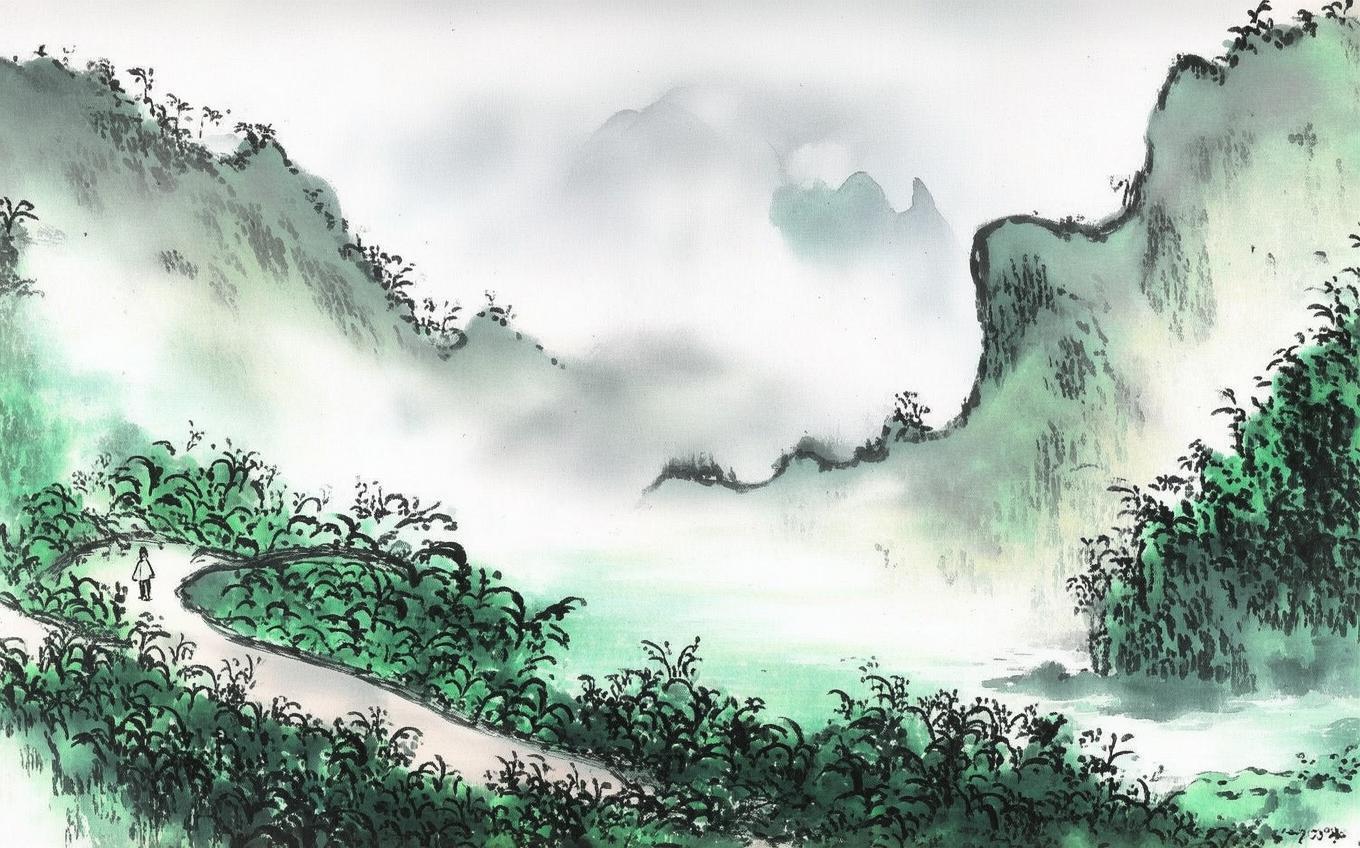
- Influence on Later Art: The poem inspired countless paintings, particularly in the Shan Shui (山水画) tradition, where misty rivers and mountains dominate.
Conclusion
"渔歌子·西塞山前白鹭飞" is a masterpiece of economy and depth, capturing the serenity of a fisherman’s life in just four lines. Its enduring appeal lies in its universal message: true contentment comes from embracing simplicity and the natural world.
For modern readers, the poem offers a respite from the chaos of contemporary life—a reminder to pause, observe, and find joy in the "slanting wind and drizzling rain" rather than rushing toward artificial destinations. As Zhang Zhihe suggests, sometimes the greatest wisdom is knowing when not to return.
"The egrets fly, the fish swim free—why chase what the river already gives?"

Comments (0)
No comments yet. Be the first to comment!