Analysis of "寄扬州韩绰判官" - Classical Chinese Poetry
Introduction
The poem "寄扬州韩绰判官" (Jì Yángzhōu Hán Chuò Pànguān), or "To Han Chuo, a Judge in Yangzhou", was written by the renowned Tang Dynasty poet Du Mu (杜牧, 803–852). Du Mu was a master of the jueju (绝句), a four-line poetic form known for its brevity and depth. This poem reflects the poet’s nostalgia for Yangzhou, a bustling and culturally rich city where he once lived.
Written during the late Tang Dynasty, a period of both artistic flourishing and political decline, the poem blends wistful longing with vivid imagery. It is celebrated for its lyrical beauty and emotional resonance, capturing the essence of friendship and the passage of time.
The Poem: Full Text and Translation
青山隐隐水迢迢
Qīng shān yǐn yǐn shuǐ tiáo tiáo
Blue mountains fade into the distance, waters stretch far and wide,秋尽江南草未凋
Qiū jìn jiāngnán cǎo wèi diāo
Though autumn ends south of the river, grass has not yet withered.二十四桥明月夜
Èrshí sì qiáo míng yuè yè
On the Twenty-Four Bridges beneath the bright moon,玉人何处教吹箫
Yù rén hé chù jiào chuī xiāo
Where does the fair one teach the flute’s song tonight?
Line-by-Line Analysis
-
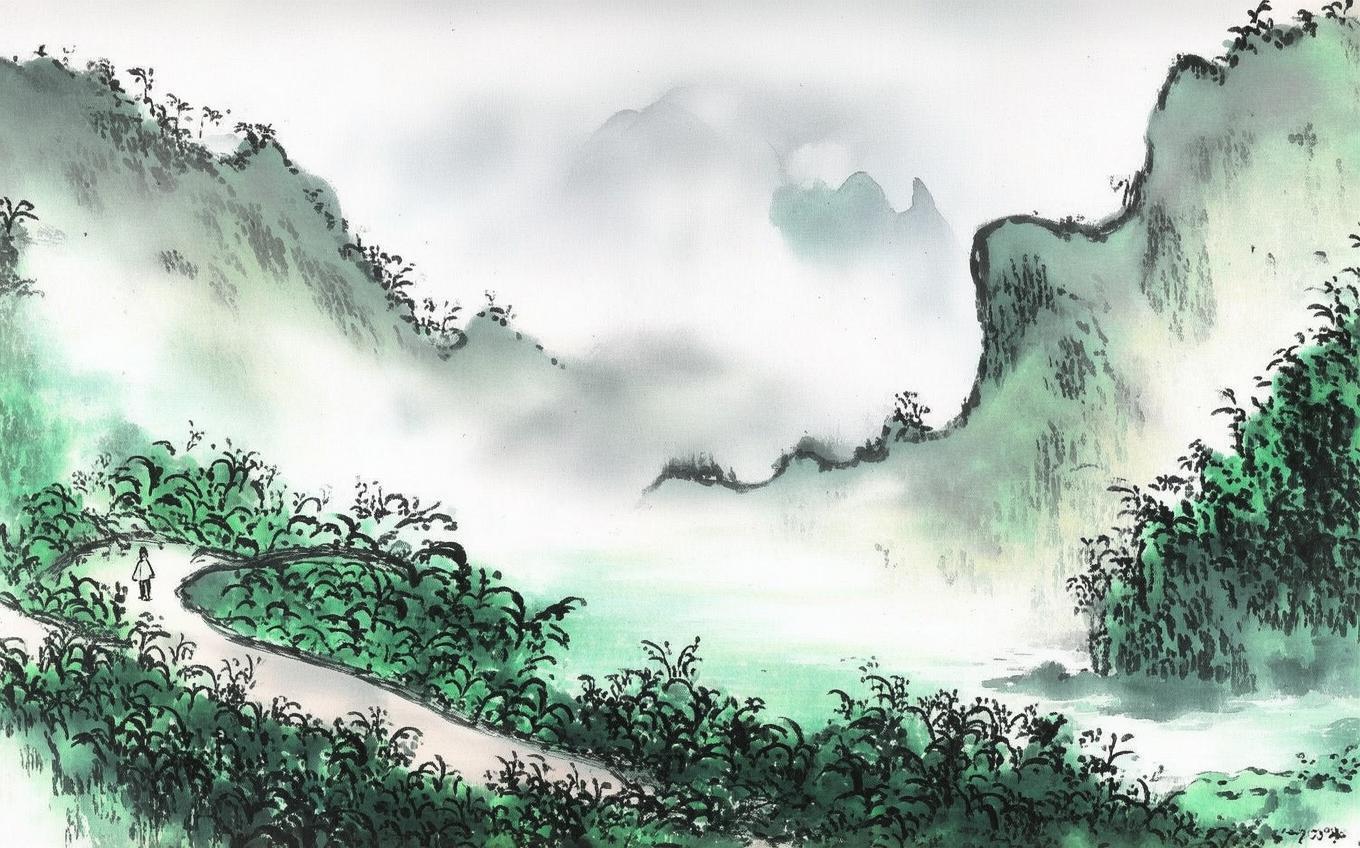
"Blue mountains fade into the distance, waters stretch far and wide"
- The opening line paints a misty, expansive landscape, suggesting both physical and emotional distance. The "blue mountains" and "far-reaching waters" symbolize separation, as the poet gazes toward Yangzhou from afar. -
"Though autumn ends south of the river, grass has not yet withered"
- Unlike the north, where autumn brings decay, Jiangnan (south of the Yangtze) remains lush. This contrast highlights Yangzhou’s enduring beauty and vitality, deepening the poet’s yearning. -
"On the Twenty-Four Bridges beneath the bright moon"
- The Twenty-Four Bridges were famous landmarks in Yangzhou, associated with music, romance, and nightlife. The moon adds a dreamlike, nostalgic quality. -
"Where does the fair one teach the flute’s song tonight?"
- The "fair one" (yù rén) likely refers to Han Chuo or a musician. The flute’s melancholic tune evokes shared memories, leaving the question open-ended—blending affection with gentle teasing.
Themes and Symbolism
-
Longing and Separation
- The poem expresses youyuan (幽怨), a subtle sorrow over distance. The landscape mirrors the poet’s unspoken emotions. -
Beauty and Transience
- Yangzhou’s eternal spring contrasts with the fleeting nature of human connections. The bridges and moon symbolize moments frozen in memory. -
Friendship and Playfulness
- The final line’s teasing tone suggests intimacy, as if Du Mu imagines his friend enjoying Yangzhou’s pleasures without him.
Cultural Context
- Yangzhou’s Significance: A cosmopolitan hub in the Tang Dynasty, known for commerce, art, and nightlife. Scholars and poets idealized its beauty.
- Moon Imagery: In Chinese poetry, the moon often represents reunion or longing. Here, it bridges past and present.
- Flute Music: The xiao (flute) symbolizes refinement and melancholy, echoing the poet’s mood.
Conclusion
Du Mu’s "To Han Chuo, a Judge in Yangzhou" is a masterpiece of understated emotion. Through delicate imagery and a lingering question, it captures the bittersweet ache of missing a place—and a person—dear to the heart. Its themes of memory and beauty remain universal, inviting readers to reflect on their own cherished connections.
What landscapes or friendships linger in your thoughts like Du Mu’s Yangzhou?

Comments (0)
No comments yet. Be the first to comment!