
Analysis of "题破山寺后禅院" - Classical Chinese Poetry
Introduction
"题破山寺后禅院" (Tí Pòshān Sì Hòu Chányuàn, "Inscribed on the Wall of the Back Monastery of Broken Mountain Temple") is a famous poem by the Tang Dynasty poet 常建 (Cháng Jiàn). Written during the High Tang period (8th century), this poem is celebrated for its serene depiction of a Buddhist temple hidden in nature, blending spiritual tranquility with vivid natural imagery. It reflects the influence of Chan (Zen) Buddhism on Tang poetry and remains a masterpiece of classical Chinese literature.
The Poem: Full Text and Translation
Here is the full poem with Chinese characters, pinyin, and an English translation:
清晨入古寺
Qīngchén rù gǔ sì
At dawn, I enter the ancient temple,
初日照高林
Chūrì zhào gāo lín
The rising sun shines on the tall trees.
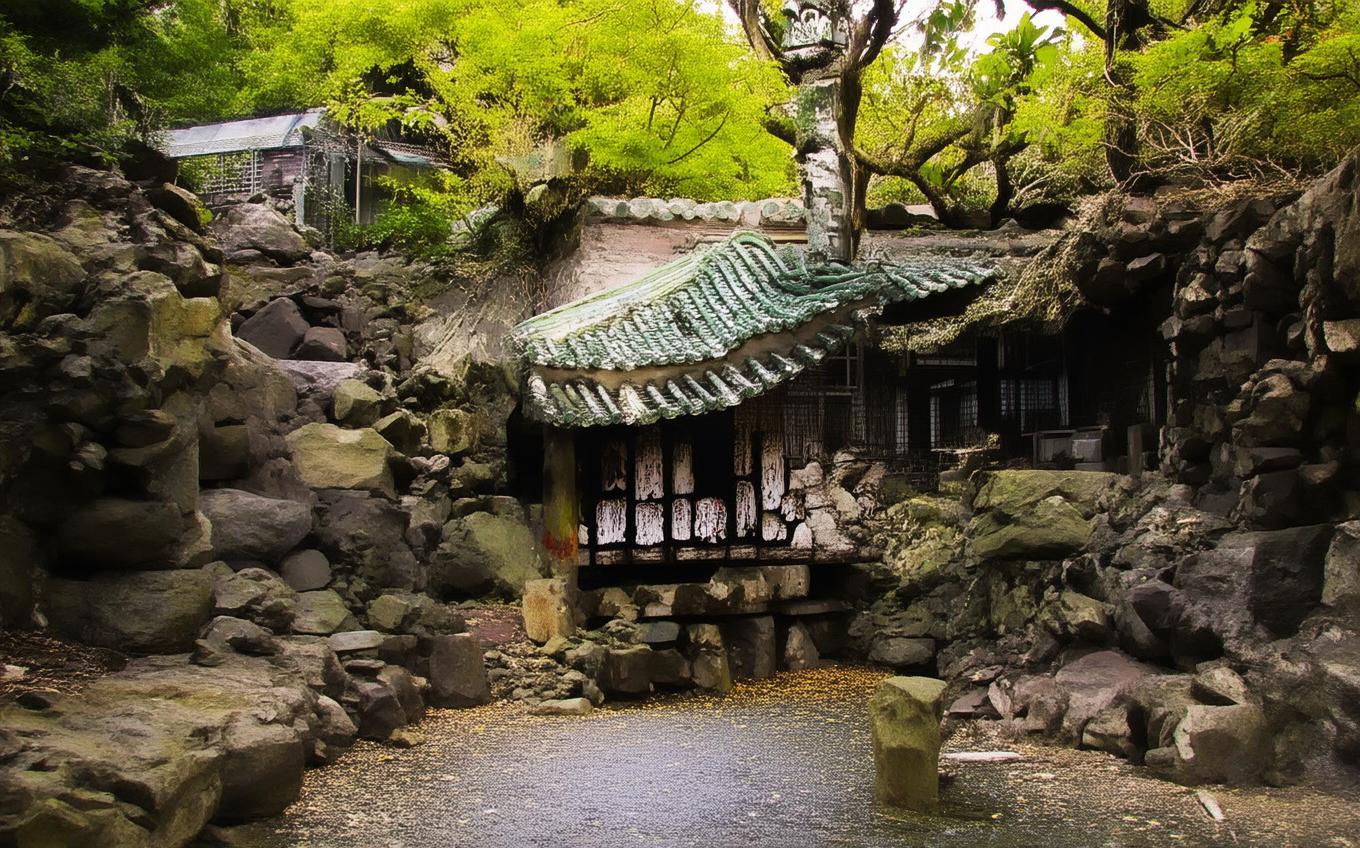
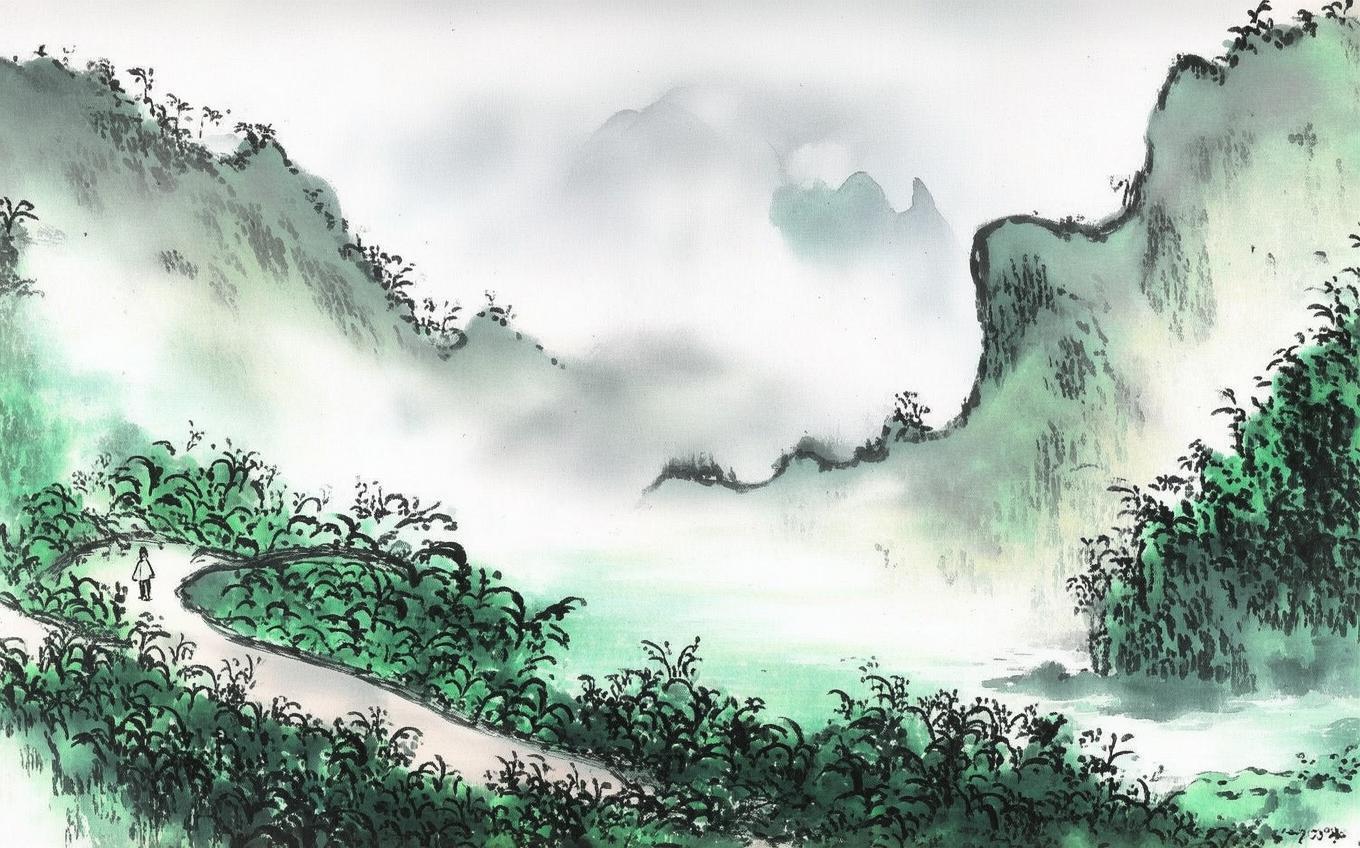
曲径通幽处
Qūjìng tōng yōu chù
A winding path leads to a secluded place,
禅房花木深
Chánfáng huāmù shēn
The meditation hall is deep among flowers and woods.
山光悦鸟性
Shānguāng yuè niǎo xìng
The mountain light gladdens the birds' nature,
潭影空人心
Tán yǐng kōng rén xīn
The pond's reflection empties the human heart.
万籁此俱寂
Wànlài cǐ jù jì
All sounds here fall into silence,
但余钟磬音
Dàn yú zhōng qìng yīn
Only the temple bell's chime remains.
Line-by-Line Analysis
-
"At dawn, I enter the ancient temple"
- The poem begins with a quiet, meditative tone, setting the scene at daybreak. The "ancient temple" suggests timelessness and spiritual depth. -
"The rising sun shines on the tall trees"
- The sun symbolizes enlightenment, while "tall trees" evoke a sense of grandeur and natural harmony. -
"A winding path leads to a secluded place"
- The "winding path" is a metaphor for the spiritual journey—indirect but leading to deeper truth. -
"The meditation hall is deep among flowers and woods"
- The secluded chánfáng (meditation hall) represents inner peace, surrounded by nature’s beauty. -
"The mountain light gladdens the birds' nature"
- Nature and spirituality merge—the birds symbolize freedom and joy in harmony with their surroundings. -
"The pond's reflection empties the human heart"
- The still pond mirrors the mind’s clarity, a key Chan Buddhist idea of emptying worldly distractions. -
"All sounds here fall into silence"
- Absolute stillness contrasts with the noisy world, emphasizing meditation’s quietude. -
"Only the temple bell's chime remains"
- The lingering bell symbolizes the enduring presence of spiritual awakening.
Themes and Symbolism
- Nature and Spirituality: The poem intertwines natural beauty with Buddhist ideals, showing how the outer landscape reflects inner peace.
- Silence and Enlightenment: The "emptiness" of the pond and the final bell represent the clarity achieved through meditation.
- Journey and Seclusion: The winding path mirrors the seeker’s path to wisdom, away from worldly chaos.
Cultural Context
During the Tang Dynasty, Buddhism flourished, and many poets explored themes of impermanence and inner peace. Chan Buddhism, in particular, emphasized meditation and harmony with nature, which deeply influenced poets like Cháng Jiàn. This poem exemplifies the "landscape of the mind" tradition, where physical scenery mirrors spiritual states.
Conclusion
"题破山寺后禅院" captures the essence of Tang poetry’s spiritual depth and reverence for nature. Its quiet beauty and profound symbolism continue to resonate, offering modern readers a timeless meditation on peace and enlightenment. In a fast-paced world, the poem reminds us of the value of stillness and the enduring wisdom found in nature’s quiet corners.
Would you like a deeper exploration of any specific line or theme?

Comments (0)
No comments yet. Be the first to comment!