Analysis of "商山早行" - Classical Chinese Poetry
Introduction
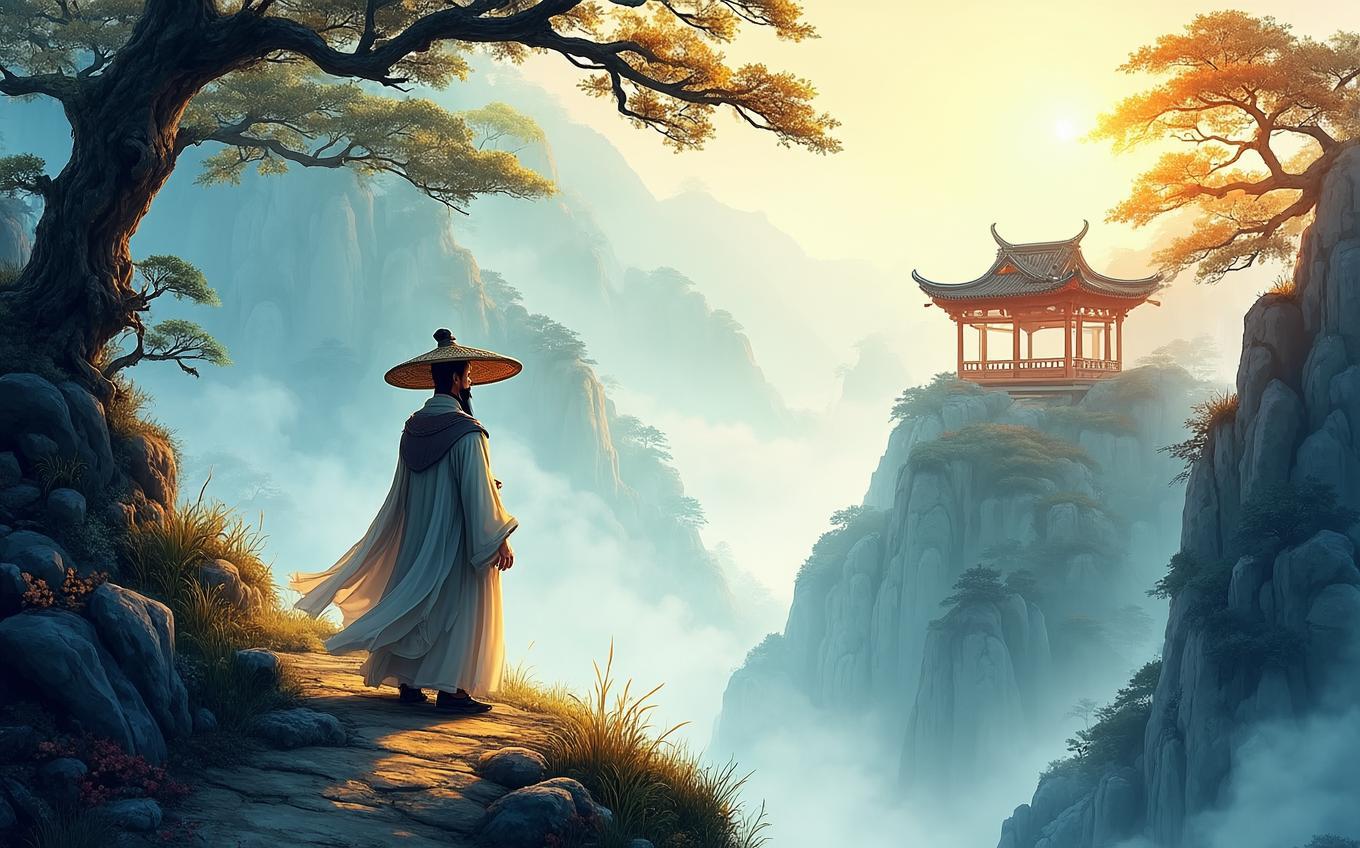
"商山早行" (Shāng Shān Zǎo Xíng, "Early Departure from Shangshan") is a famous poem by the Tang Dynasty poet Wen Tingyun (温庭筠, c. 812–870). Wen was a prominent figure in late Tang poetry, known for his lyrical and evocative style. This poem, written during his travels, captures the quiet beauty of dawn and the solitude of a traveler. It is celebrated for its vivid imagery and emotional depth, making it a classic example of Chinese landscape poetry.
The Poem: Full Text and Translation
晨起动征铎
Chén qǐ dòng zhēng duó
At dawn, I rise to the sound of departing bells;客行悲故乡
Kè xíng bēi gùxiāng
A traveler grieves for his homeland.鸡声茅店月
Jī shēng máo diàn yuè
Rooster crows, thatched inn under the moon,人迹板桥霜
Rén jì bǎn qiáo shuāng
Footprints on the frosty plank bridge.槲叶落山路
Hú yè luò shān lù
Oak leaves fall on the mountain path,枳花明驿墙
Zhǐ huā míng yì qiáng
Bitter orange flowers brighten the post-house walls.因思杜陵梦
Yīn sī Dùlíng mèng
I recall my dream of Duling—凫雁满回塘
Fú yàn mǎn huí táng
Wild ducks and geese fill the curving pond.
Line-by-Line Analysis
-
"At dawn, I rise to the sound of departing bells"
The poem opens with the traveler waking early, signaled by the bells of a departing caravan. This sets a tone of movement and transience. -
"A traveler grieves for his homeland"
The traveler’s sorrow reflects the Tang Dynasty theme of youzi (游子, wandering scholar), where separation from home evokes deep melancholy. -
"Rooster crows, thatched inn under the moon"
A striking image of rural simplicity—dawn is marked by a rooster’s call, with the moon still hanging over a humble inn. -
"Footprints on the frosty plank bridge"
The frost suggests cold and hardship, while the footprints imply other travelers have passed before, emphasizing solitude. -
"Oak leaves fall on the mountain path"
The falling leaves symbolize the passage of time and the inevitability of change, a common motif in Chinese poetry. -
"Bitter orange flowers brighten the post-house walls"
A contrast to the melancholy—the vibrant flowers bring a fleeting moment of beauty to the journey. -
"I recall my dream of Duling"
Duling, a reference to the poet’s hometown or a place of personal significance, deepens the sense of nostalgia. -
"Wild ducks and geese fill the curving pond"
The final image of waterfowl in a pond evokes harmony and peace, perhaps an idealized memory of home.
Themes and Symbolism
- Journey and Solitude: The poem embodies the lütu (旅途, travel) theme, where the physical journey mirrors inner reflection.
- Nature’s Transience: Images like frost and falling leaves underscore the impermanence of life.
- Longing for Home: The traveler’s grief and dream of Duling highlight Confucian values of familial and ancestral ties.
Cultural Context
Written during the Tang Dynasty (618–907), a golden age of Chinese poetry, "商山早行" reflects the era’s emphasis on shanshui (山水, landscape) poetry. The poem also aligns with Daoist ideals of harmony with nature and the Confucian reverence for home. Shangshan, the mountain referenced, was a symbolic place of retreat for scholars.
Conclusion
"商山早行" is a masterpiece of economy and emotion, using sparse imagery to convey profound loneliness and beauty. Its themes of travel, memory, and nature resonate across cultures, making it timeless. For modern readers, the poem invites reflection on the universal human experience of journeying—both outward and inward.
Would you like a deeper exploration of any specific line or theme?

Comments (0)
No comments yet. Be the first to comment!