Analysis of "天净沙·秋" - Classical Chinese Poetry
Introduction
"天净沙·秋" (Tiān Jìng Shā·Qiū, "Autumn Thoughts") is a famous sanqu (散曲) poem written by the Yuan dynasty poet Ma Zhiyuan (马致远, c. 1250–1321). Ma Zhiyuan was one of the "Four Great Yuan Playwrights" and a master of sanqu, a type of lyrical poetry that flourished during the Yuan dynasty.
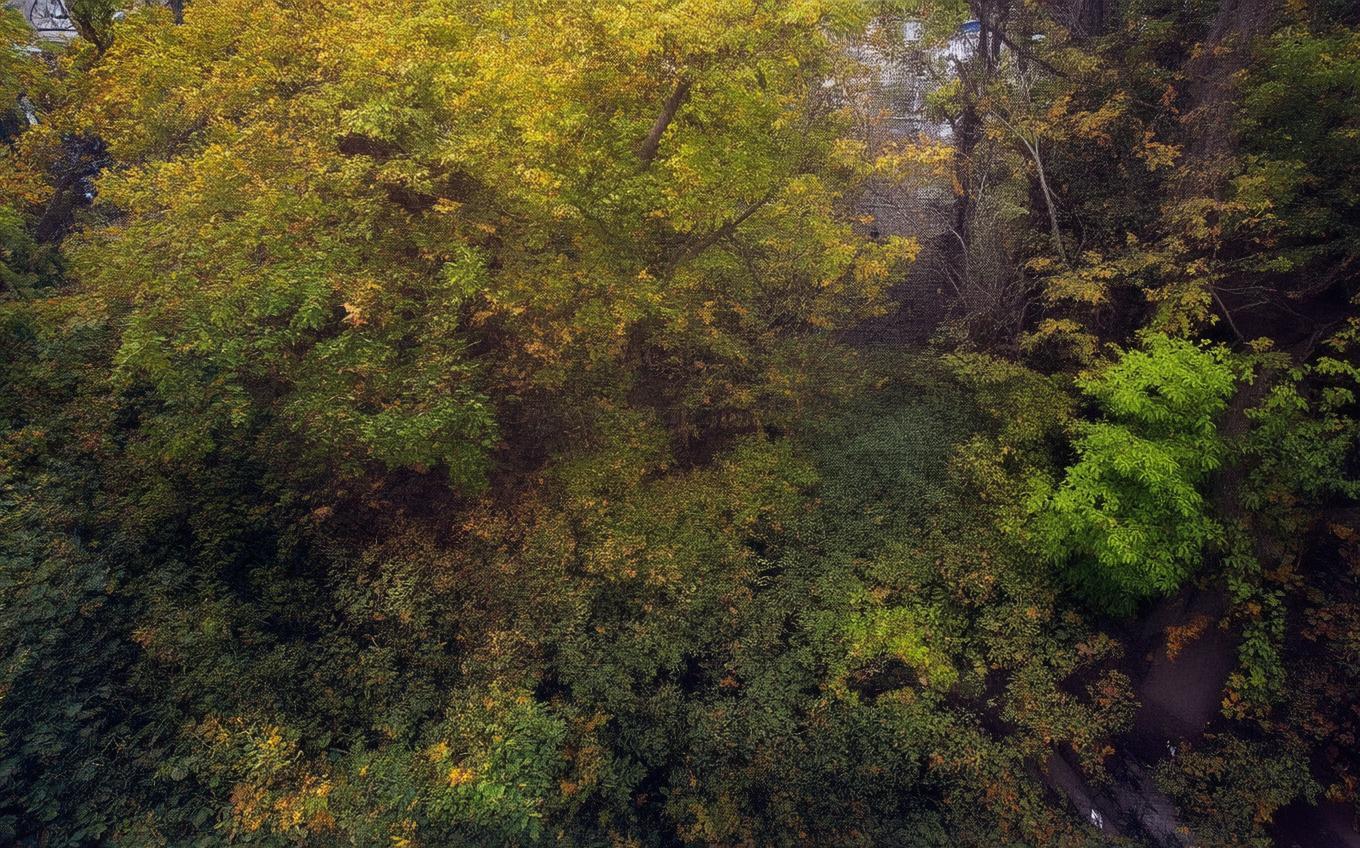
This poem is celebrated for its minimalist yet vivid depiction of autumn scenery, conveying a deep sense of melancholy and solitude. It exemplifies the classical Chinese aesthetic of "scene-emotion blending" (情景交融), where natural imagery reflects the poet's inner emotions.
The Poem: Full Text and Translation
枯藤老树昏鸦
Kū téng lǎo shù hūn yā
Withered vines, aged trees, twilight crows小桥流水人家
Xiǎo qiáo liú shuǐ rén jiā
A small bridge, flowing water, a household古道西风瘦马
Gǔ dào xī fēng shòu mǎ
An ancient road, west wind, a lean horse夕阳西下
Xī yáng xī xià
The evening sun sinks westward断肠人在天涯
Duàn cháng rén zài tiān yá
A heartbroken wanderer at the world’s edge
Line-by-Line Analysis
-
"Withered vines, aged trees, twilight crows"
- The opening line sets a desolate tone with images of decay (withered vines, old trees) and dusk (twilight crows). The crows symbolize loneliness and foreboding. -
"A small bridge, flowing water, a household"
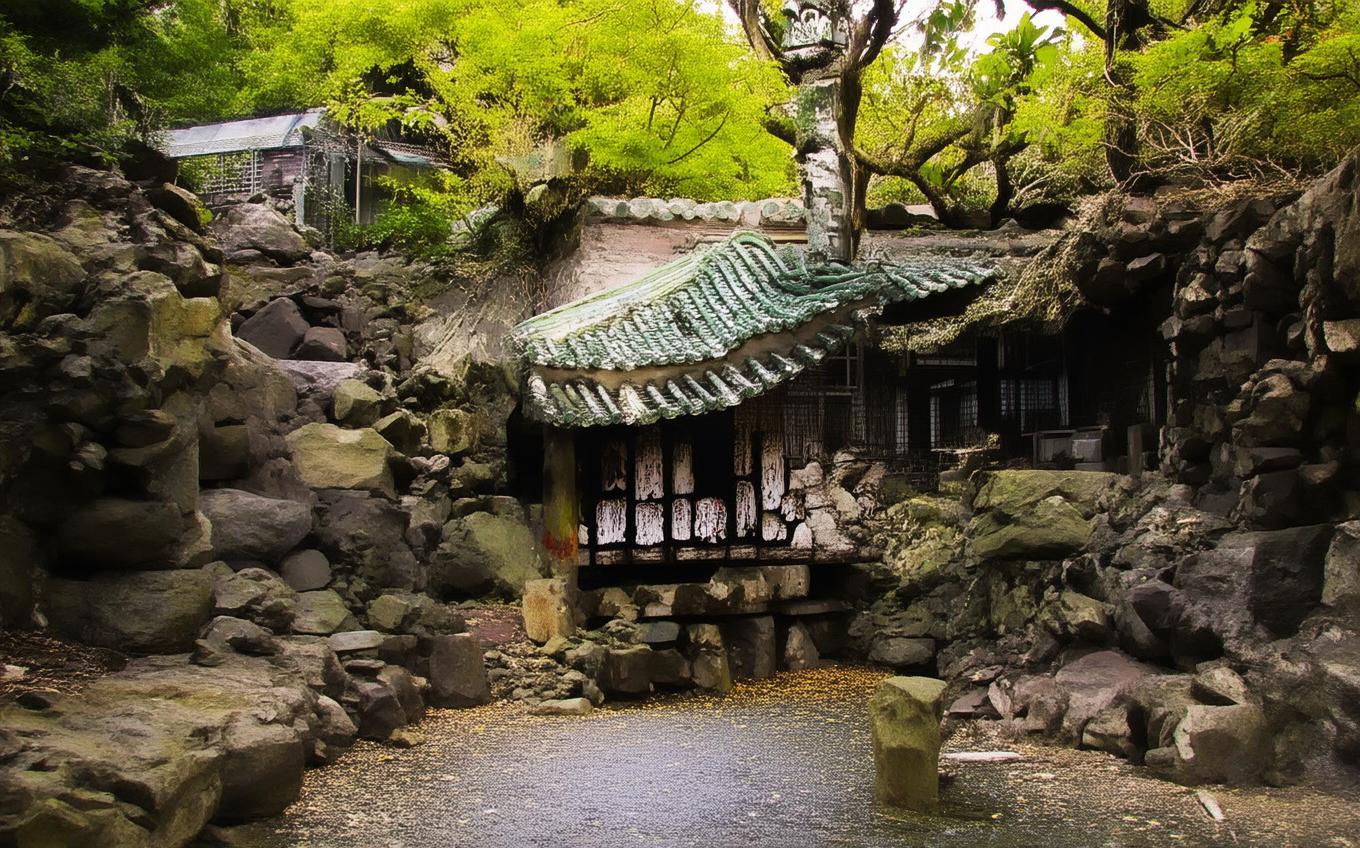
- This line introduces a contrasting scene of tranquility—a rustic bridge, a gentle stream, and a home. The imagery suggests warmth and belonging, heightening the sense of the wanderer’s isolation. -
"An ancient road, west wind, a lean horse"
- The ancient road implies a long, weary journey, while the west wind (associated with autumn’s chill) and the emaciated horse emphasize hardship and exhaustion. -
"The evening sun sinks westward"
- The setting sun reinforces the theme of decline and the passage of time, a common motif in Chinese poetry symbolizing life’s transience. -
"A heartbroken wanderer at the world’s edge"
- The final line reveals the poem’s emotional core—the wanderer, far from home, embodies profound sorrow and existential loneliness.
Themes and Symbolism
- Loneliness and Longing: The poem captures the sorrow of a traveler separated from home, a recurring theme in Chinese literature.
- Nature’s Cycles: Autumn symbolizes decline and introspection, mirroring the wanderer’s melancholy.
- Contrast: The juxtaposition of desolation (withered vines, crows) and warmth (household, flowing water) deepens the sense of yearning.
Cultural Context
During the Yuan dynasty, many scholars and officials faced displacement due to political upheaval, making themes of wandering and homesickness particularly resonant. The poem reflects Daoist and Confucian ideals of harmony with nature and the sorrow of unfulfilled duty.
Conclusion
"天净沙·秋" is a masterpiece of economy and emotional depth, using sparse imagery to evoke a universal sense of longing. Its timeless appeal lies in its ability to convey profound solitude through the beauty of nature—a reminder of the enduring human experience of wandering and yearning for home. Today, it remains a poignant reflection on displacement and the search for belonging.

Comments (0)
No comments yet. Be the first to comment!