Analysis of "观猎" - Classical Chinese Poetry
Introduction
The poem "观猎" (Guān Liè, "Watching the Hunt") was written by Wang Wei (王维, 699–759 CE), a renowned Tang Dynasty poet, painter, and statesman. Known for his tranquil landscape poetry and Buddhist influences, Wang Wei often blended natural imagery with philosophical depth. "观猎" stands out as a dynamic departure from his usual serene style, vividly depicting a hunting scene filled with energy and motion. This poem is celebrated for its concise yet powerful imagery, capturing the thrill of the chase and the skill of the hunter.
The Poem: Full Text and Translation
观猎
Guān Liè
Watching the Hunt
风劲角弓鸣
Fēng jìn jiǎo gōng míng
The wind howls, the horn bow sings—将军猎渭城
Jiāngjūn liè Wèi chéng
The general hunts by Wei’s old wall.草枯鹰眼疾
Cǎo kū yīng yǎn jí
Withered grass—the falcon’s eye keen,雪尽马蹄轻
Xuě jìn mǎ tí qīng
Snow melted—the horse’s hooves light.忽过新丰市
Hū guò Xīnfēng shì
Swiftly past Xin Feng’s town he flies,还归细柳营
Huán guī Xìliǔ yíng
Then back to Willow Camp he rides.回看射雕处
Huí kàn shè diāo chù
He turns to gaze where his arrow struck—千里暮云平
Qiān lǐ mù yún píng
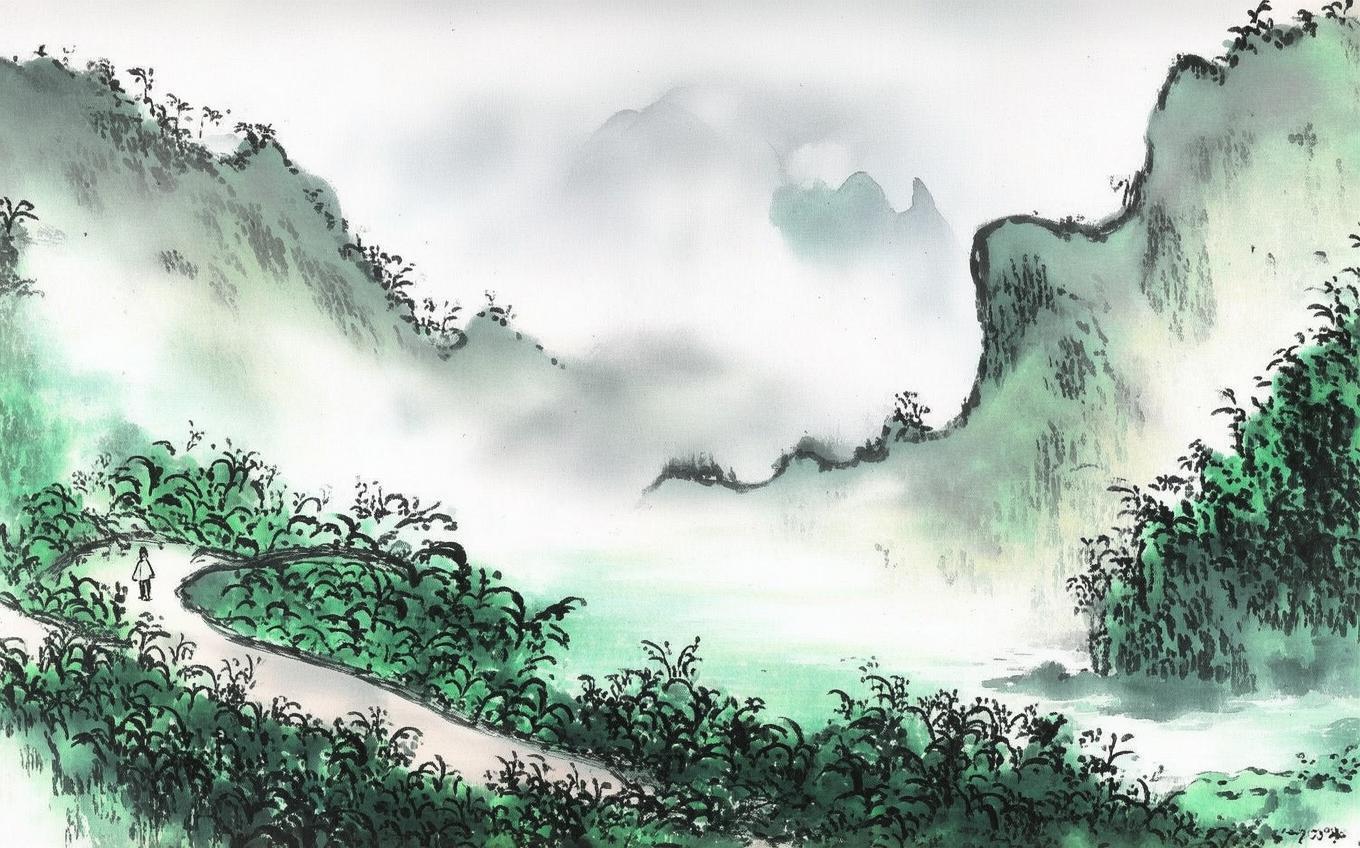
A thousand miles of dusk clouds, still.
Line-by-Line Analysis
-
"The wind howls, the horn bow sings—"
- The opening plunges the reader into action: the wind’s force and the twang of the bow create an auditory and kinetic rush. -
"The general hunts by Wei’s old wall."
- Introduces the central figure—a skilled general—and grounds the scene in a historical location (Wei City, near modern Xi’an). -
"Withered grass—the falcon’s eye keen,"
- The barren landscape sharpens the falcon’s vision, mirroring the hunter’s focus. -
"Snow melted—the horse’s hooves light."
- Spring’s arrival (melting snow) enables swift movement, emphasizing speed and agility.
5-6. "Swiftly past Xin Feng’s town he flies, / Then back to Willow Camp he rides."
- The general’s rapid traverse between locations (Xin Feng: a wine town; Willow Camp: a military base) showcases his vigor and discipline.
7-8. "He turns to gaze where his arrow struck— / A thousand miles of dusk clouds, still."
- The finale shifts to stillness. The vast, tranquil clouds contrast with the earlier frenzy, leaving the reader with a sense of awe and completion.
Themes and Symbolism
-
Skill and Precision
- The falcon’s gaze and the general’s shot symbolize mastery, a theme revered in Chinese martial and literary traditions. -
Transience and Motion
- The poem’s pacing mirrors the hunt’s fleeting intensity, yet it closes with eternal stillness (the "thousand miles" of clouds). -
Nature as a Mirror
- Wang Wei uses environmental details (wind, grass, snow) to reflect the hunter’s state of mind—alertness, freedom, and eventual calm.
Cultural Context
- Tang Dynasty Military Culture: Hunting was both a sport and military training for elites. The general embodies the ideal warrior-poet.
- Daoist-Buddhist Undertones: Despite the action, the ending’s serenity aligns with Wang Wei’s Buddhist leanings—suggesting all motion returns to stillness.
- Historical References: "Willow Camp" alludes to a famed Han Dynasty garrison, subtly praising the general’s discipline through historical parallel.
Conclusion
"观猎" masterfully balances dynamism and tranquility, a hallmark of Wang Wei’s genius. For modern readers, it offers a window into Tang Dynasty valor while resonating universally—the thrill of pursuit, the quiet after achievement, and nature’s role in shaping human experience. Like the general gazing at the horizon, we’re left contemplating the interplay of action and stillness in our own lives.
"A thousand miles of dusk clouds, still."
The hunt ends, but the poem’s power lingers.

Comments (0)
No comments yet. Be the first to comment!