Analysis of "梦李白" - Classical Chinese Poetry
Introduction
"梦李白" (Mèng Lǐ Bái, "Dreaming of Li Bai") is a famous poem by the Tang dynasty poet Du Fu (712–770), one of China's greatest literary figures. Written during a turbulent period in Chinese history, the poem reflects Du Fu's deep friendship with fellow poet Li Bai (701–762) and his longing for their reunion.
This poem is part of a pair—Du Fu wrote two "Dreaming of Li Bai" poems—and is celebrated for its emotional depth, vivid imagery, and philosophical reflections on life, death, and separation. It remains a cornerstone of classical Chinese poetry, embodying the Confucian value of loyalty and the Daoist appreciation of transient beauty.
The Poem: Full Text and Translation
The poem consists of five-character lines, a common structure in Tang poetry. Below is the full text with pinyin and translation:
死别已吞声,生别常恻恻。
Sǐ bié yǐ tūn shēng, shēng bié cháng cè cè.
Death-parted, I stifle my sobs; life-parted, I ache endlessly.江南瘴疠地,逐客无消息。
Jiāngnán zhànglì dì, zhú kè wú xiāoxi.
In the miasmic southlands, the exiled wanderer sends no word.故人入我梦,明我长相忆。
Gùrén rù wǒ mèng, míng wǒ zhǎng xiāng yì.
My old friend enters my dreams, knowing how I long for him.君今在罗网,何以有羽翼?
Jūn jīn zài luówǎng, hé yǐ yǒu yǔyì?
Now you are trapped in a snare—how can you have wings to fly here?恐非平生魂,路远不可测。
Kǒng fēi píngshēng hún, lù yuǎn bùkě cè.
I fear this is not your living soul—the road is too far to fathom.魂来枫林青,魂返关塞黑。
Hún lái fēnglín qīng, hún fǎn guānsài hēi.
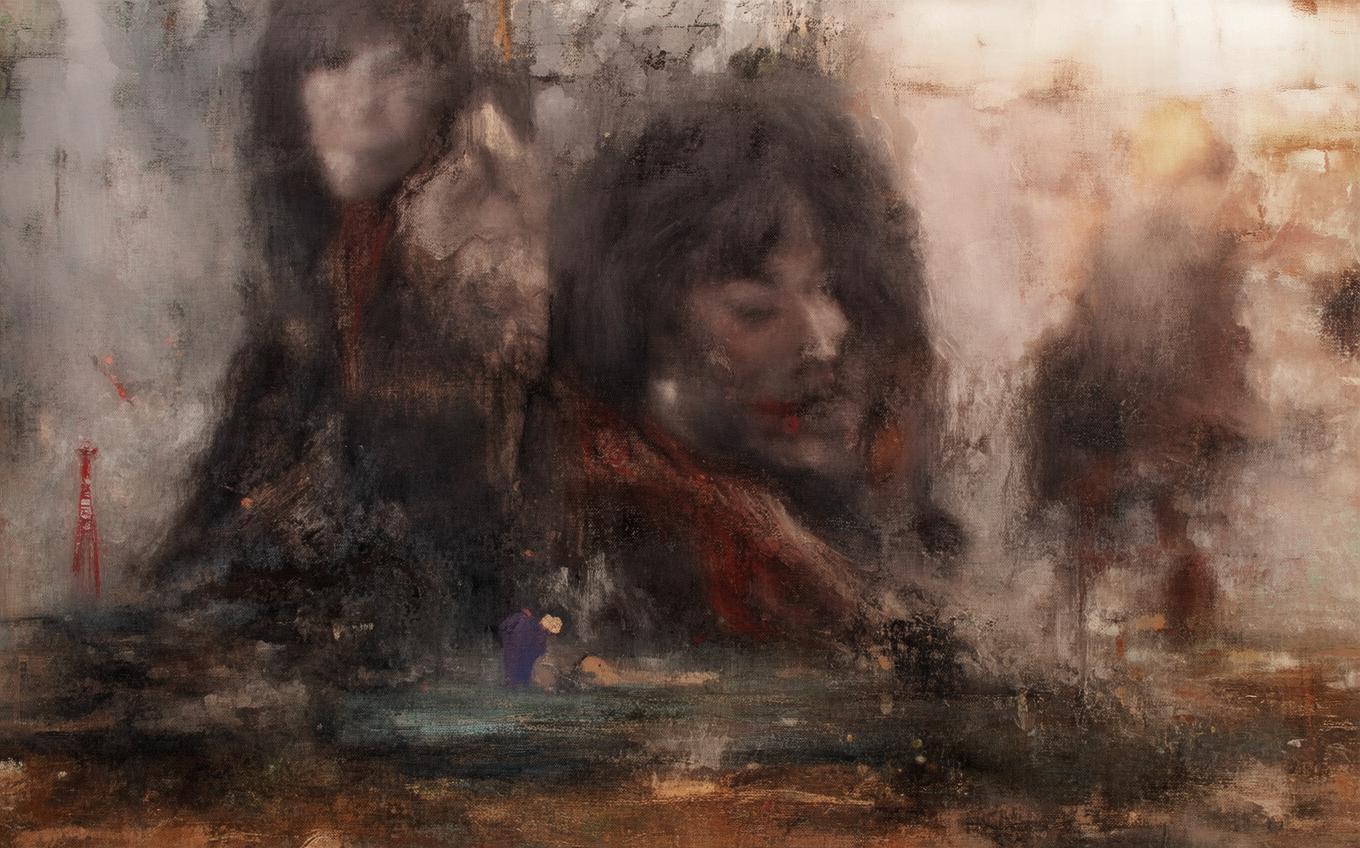
Your soul comes through green maple woods, returns through dark frontier passes.落月满屋梁,犹疑照颜色。
Luò yuè mǎn wū liáng, yóu yí zhào yánsè.
The setting moon lights the rafters—I almost see your face.水深波浪阔,无使蛟龙得!
Shuǐ shēn bōlàng kuò, wú shǐ jiāolóng dé!
The waters are deep, the waves wide—don’t let the dragons seize you!
Line-by-Line Analysis
-
"Death-parted, I stifle my sobs; life-parted, I ache endlessly."
Du Fu contrasts the pain of permanent death with the lingering sorrow of separation in life. The emotional weight is immediate, setting the tone for the poem. -
"In the miasmic southlands, the exiled wanderer sends no word."
Li Bai was exiled to the southern regions, known for their harsh, disease-ridden climate. Du Fu’s worry for his friend’s survival is palpable. -
"My old friend enters my dreams, knowing how I long for him."
The dream is both a comfort and a torment—proof of their bond but also a reminder of distance. -
"Now you are trapped in a snare—how can you have wings to fly here?"
Du Fu questions whether Li Bai, likely imprisoned or exiled, could truly visit him, hinting at supernatural or spiritual visitation. -
"I fear this is not your living soul—the road is too far to fathom."
A haunting line suggesting Li Bai might already be dead, his soul traveling vast distances to appear in the dream. -
"Your soul comes through green maple woods, returns through dark frontier passes."
Vivid imagery contrasts the lushness of life (green woods) with the bleakness of death (dark passes), symbolizing the journey between realms. -
"The setting moon lights the rafters—I almost see your face."
The moon’s fleeting light mirrors the ephemeral nature of the dream, leaving Du Fu grasping at memories. -
"The waters are deep, the waves wide—don’t let the dragons seize you!"
A desperate plea for Li Bai’s safety, with "dragons" symbolizing the dangers of his exile.
Themes and Symbolism
- Friendship and Longing: The poem is a testament to deep youqing (友情的, friendship), a Confucian virtue. Du Fu’s grief transcends physical separation.
- Life and Death: The blurred line between dream and reality reflects Daoist and Buddhist ideas about the soul’s journey.
- Nature as Metaphor: The "green maple woods" and "dark passes" symbolize transitions between life and death, while "dragons" represent peril.
Cultural Context
Written during the An Lushan Rebellion (755–763), a time of chaos and displacement, the poem mirrors Du Fu’s own hardships. Li Bai, a romantic free spirit, was exiled for alleged involvement in a rebellion, making Du Fu’s worry both personal and political.
The poem also reflects mengxiang (梦想, dream imagery) in Chinese literature, where dreams bridge the mortal and spiritual worlds. The Tang Dynasty’s emphasis on qing (情, deep emotion) is evident in Du Fu’s raw expression of love and fear for his friend.
Conclusion
"梦李白" is a masterpiece of emotional and philosophical depth, capturing the universal human experiences of love, loss, and longing. Du Fu’s ability to weave personal grief with cosmic imagery makes the poem timeless.
For modern readers, it resonates as a reminder of the power of friendship and the fragility of life—an echo across centuries that still moves us today. As Du Fu whispers to Li Bai’s spirit, we too are left yearning across the distances that divide us.

Comments (0)
No comments yet. Be the first to comment!