
Analysis of "清平调" - Classical Chinese Poetry
Introduction
"清平调" (Qīng Píng Diào), often translated as "Pure Serene Music," is a famous lyrical poem by the Tang Dynasty poet Li Bai (李白, 701–762). Known as the "Immortal Poet," Li Bai was a central figure in China's golden age of poetry. This poem was composed during the height of the Tang Dynasty, a period of cultural flourishing, and reflects the elegance and refinement of courtly life.
The poem is part of a series written to celebrate the beauty of Yang Guifei (杨贵妃), the beloved consort of Emperor Xuanzong. It blends natural imagery with human emotion, showcasing Li Bai's mastery of lyrical expression and his ability to elevate ordinary scenes into profound art.
The Poem: Full Text and Translation
Poem Text
云想衣裳花想容
Yún xiǎng yīshang huā xiǎng róng
Clouds remind me of her robes, flowers of her face春风拂槛露华浓
Chūnfēng fú jiàn lù huá nóng
Spring breezes brush the rail, dew-laden blossoms glow若非群玉山头见
Ruò fēi qún yù shān tóu jiàn
If not seen atop the Jade Mountain’s peak会向瑶台月下逢
Huì xiàng yáotái yuè xià féng
Then surely in the Moonlit Jasper Terrace she’d meet
Line-by-Line Analysis
-
"Clouds remind me of her robes, flowers of her face"
- Li Bai uses metaphor to compare Yang Guifei’s beauty to natural wonders. The flowing clouds symbolize her graceful robes, while flowers represent her delicate features. -
"Spring breezes brush the rail, dew-laden blossoms glow"
- The imagery of spring breeze and dew-kissed flowers evokes freshness and vitality, mirroring the consort’s radiant presence. -
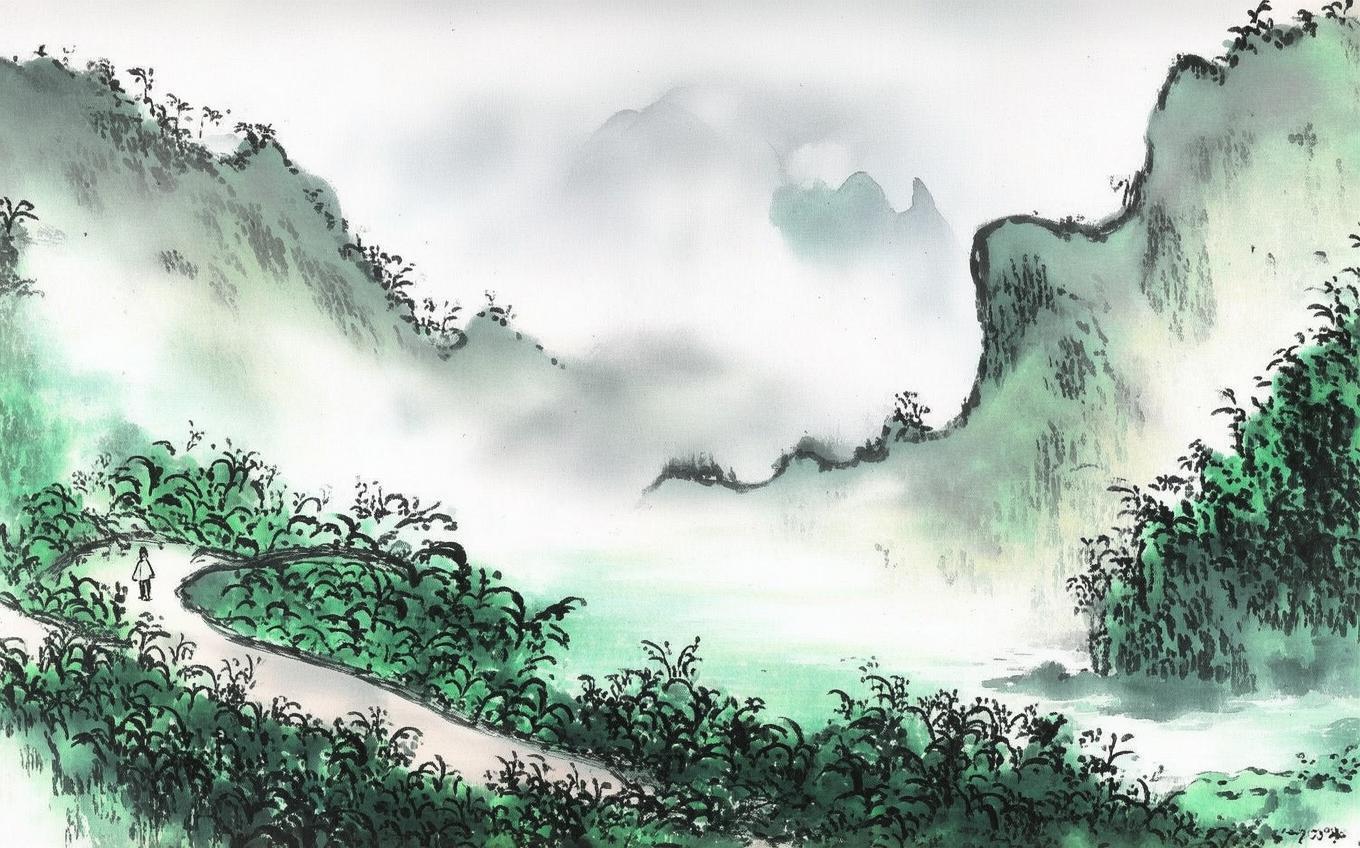
"If not seen atop the Jade Mountain’s peak"
- The Jade Mountain (群玉山) is a mythical paradise in Daoist lore, suggesting Yang Guifei’s celestial beauty. -
"Then surely in the Moonlit Jasper Terrace she’d meet"
- The Jasper Terrace (瑶台) is another divine realm, reinforcing the idea that her beauty is otherworldly.
Themes and Symbolism
- Beauty and Transience: The poem glorifies feminine beauty while subtly hinting at its fleeting nature, much like spring blossoms.
- Divine vs. Mortal: By referencing celestial realms, Li Bai elevates Yang Guifei to a goddess-like status.
- Nature as Mirror: The poet uses natural imagery to reflect human emotion, a hallmark of classical Chinese poetry.
Cultural Context
During the Tang Dynasty, poetry was deeply intertwined with courtly life. Li Bai’s "清平调" exemplifies the refined aestheticism of the era, where art and politics often intersected. The poem also reflects Daoist influences, particularly in its allusions to immortal realms.
Conclusion
Li Bai’s "清平调" is a masterpiece of lyrical elegance, blending natural beauty with human admiration. Its enduring appeal lies in its ability to convey profound emotion through simple yet vivid imagery. For modern readers, the poem offers a glimpse into the Tang Dynasty’s artistic sophistication and the timeless Chinese appreciation for harmony between humanity and nature.
Would you like a deeper dive into Li Bai’s poetic techniques or comparisons with other Tang poets? Let me know!

Comments (0)
No comments yet. Be the first to comment!