# Analysis of "蝶恋花·伫倚危楼风细细" - Classical Chinese Poetry

## Introduction
This poem, *Dié Liàn Huā* ("Butterflies in Love with Flowers"), was written by Liǔ Yǒng (柳永), a renowned poet of the Northern Sòng Dynasty (960–1127). Known for his lyrical and emotional style, Liǔ Yǒng specialized in *cí* poetry (lyric poetry set to music). This particular work captures the melancholic longing of a traveler gazing from a high tower, blending natural imagery with profound loneliness. It remains one of China’s most celebrated love poems, exemplifying the Sòng Dynasty’s refinement of emotional expression.

---

## The Poem: Full Text and Translation

### Original Text and Translation

> 伫倚危楼风细细
> *Zhù yǐ wēi lóu fēng xìxì*
> Alone I lean on the lofty tower, the breeze whispers fine

> 望极春愁,黯黯生天际
> *Wàng jí chūn chóu, àn’àn shēng tiānjì*
> Gazing far, spring sorrows rise—dark, dark against the skyline

> 草色烟光残照里
> *Cǎo sè yān guāng cán zhào lǐ*
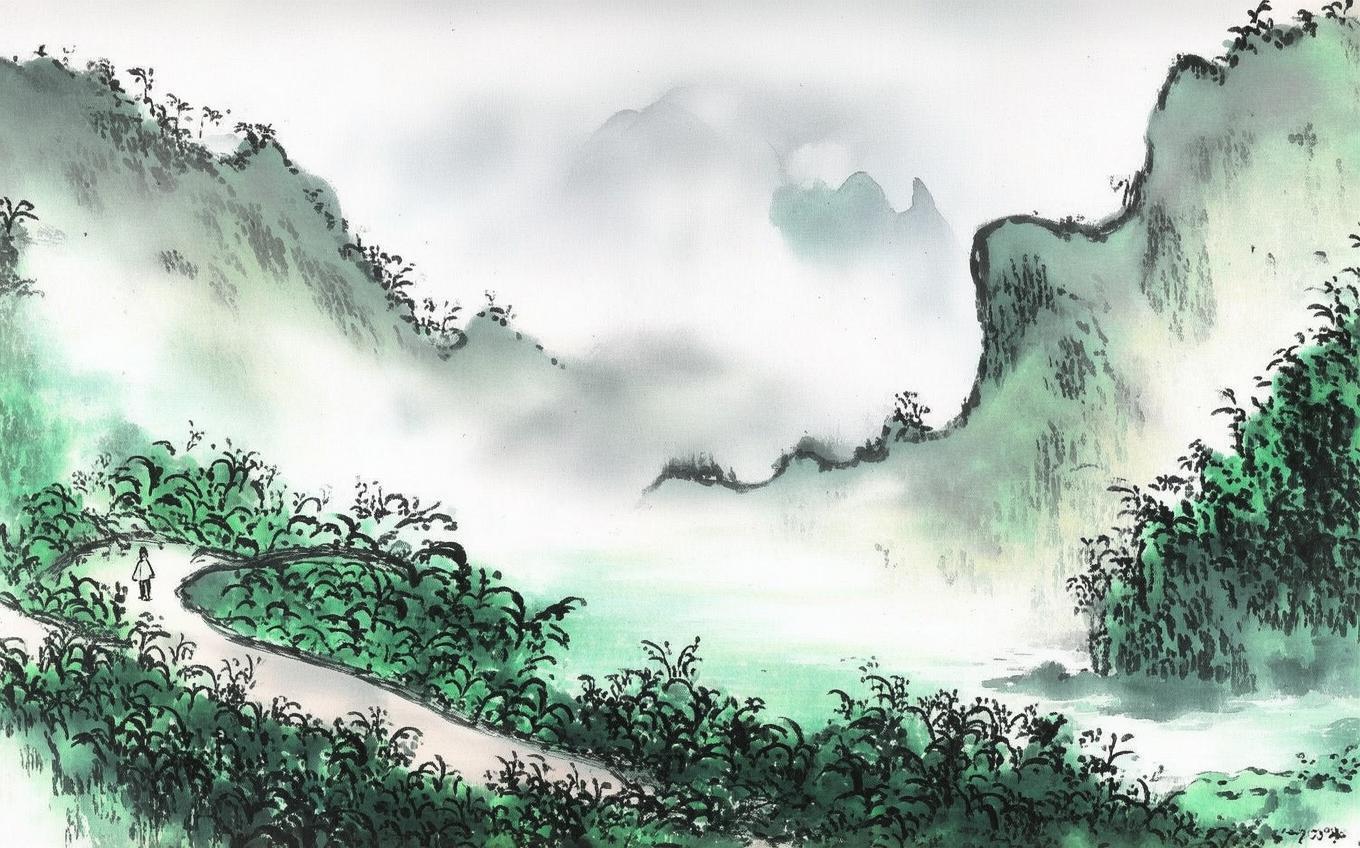
> Grass hues and misty light melt in the fading day

> 无言谁会凭阑意
> *Wú yán shuí huì píng lán yì*
> Who understands this silent leaning on the rails, I pray?

> 拟把疏狂图一醉
> *Nǐ bǎ shū kuáng tú yī zuì*
> I plan to drown my wild grief in reckless wine

> 对酒当歌,强乐还无味
> *Duì jiǔ dāng gē, qiǎng lè hái wú wèi*
> Yet songs and cups—forced joy—leave bitterness behind

> 衣带渐宽终不悔
> *Yī dài jiàn kuān zhōng bù huǐ*
> My robe grows loose, but I’ll not rue this plight

> 为伊消得人憔悴
> *Wèi yī xiāo dé rén qiáocuì*
> For her, this wasting frame is right

---

## Line-by-Line Analysis

1. **"Alone I lean on the lofty tower, the breeze whispers fine"**
   - The opening sets a solitary scene. The "whispering breeze" contrasts with the speaker’s isolation, a classic Sòng technique using nature to mirror emotion.

2. **"Gazing far, spring sorrows rise—dark, dark against the skyline"**
   - "Spring sorrows" (春愁 *chūn chóu*) symbolize unfulfilled longing. The repetition of "dark" (黯黯 *àn’àn*) amplifies the emotional weight.

3. **"Grass hues and misty light melt in the fading day"**
   - Transience is highlighted through the dissolving light, a metaphor for fleeting love.

4. **"Who understands this silent leaning on the rails, I pray?"**
   - The rhetorical question underscores the poet’s isolation. Leaning on rails (凭阑 *píng lán*) was a common pose in Chinese poetry to convey contemplation.

5. **"I plan to drown my wild grief in reckless wine"**
   - A futile attempt to escape sorrow, referencing the Táng-Sòng trope of wine as a temporary solace.

6. **"Yet songs and cups—forced joy—leave bitterness behind"**
   - The paradox of "forced joy" (强乐 *qiǎng lè*) reveals the depth of his heartache.

7. **"My robe grows loose, but I’ll not rue this plight"**
   - The loosening robe (衣带渐宽 *yī dài jiàn kuān*) symbolizes physical decline from pining, yet he embraces the suffering.

8. **"For her, this wasting frame is right"**
   - The final line crystallizes the poem’s theme: love as a consuming, yet worthy, sacrifice.

---

## Themes and Symbolism

- **Love and Longing**: The poem elevates romantic yearning to a near-spiritual devotion, encapsulated in the iconic last couplet.
- **Nature’s Duality**: Gentle breezes and fading light mirror the speaker’s inner turmoil—a hallmark of Chinese "scene-emotion" (情景交融 *qíng jǐng jiāo róng*) poetry.
- **Sacrificial Devotion**: The body’s decline becomes a testament to love’s power, echoing Confucian ideals of loyalty.

---

## Cultural Context

Liǔ Yǒng was a controversial figure who wrote for urban entertainers, blending classical elegance with vernacular flair. This poem reflects Sòng Dynasty’s shift toward introspective, personal poetry. The phrase "衣带渐宽终不悔" later inspired modern motivational sayings about perseverance.

---

## Conclusion

"Dié Liàn Huā" is a masterpiece of emotional precision, using nature’s subtlety to frame human vulnerability. Its enduring appeal lies in its universal portrayal of love’s bittersweet grip—an idea that transcends time and culture. For readers today, it offers a window into the Sòng Dynasty’s soul and the timeless Chinese reverence for depth of feeling.

*Final thought*: In an age of instant gratification, Liǔ Yǒng’s celebration of patient suffering for love invites reflection on what we value—and what we’re willing to lose for it.

Comments (0)
No comments yet. Be the first to comment!