Analysis of "秋兴八首" - Classical Chinese Poetry
Introduction
"秋兴八首" (Qiū Xìng Bā Shǒu, "Eight Autumn Meditations") is a series of poems by the Tang Dynasty poet Du Fu (712–770), one of China's greatest literary figures. Written during his later years, these poems reflect on the passage of time, political turmoil, and personal sorrow, all set against the backdrop of autumn—a season often associated with melancholy and reflection in Chinese poetry.
Du Fu composed these poems while exiled in Kuizhou (modern-day Chongqing), far from the Tang capital. The series is celebrated for its profound emotional depth, intricate imagery, and masterful use of classical Chinese poetic techniques.
The Poem: Full Text and Translation
Below is the first poem of the series, along with its translation:
玉露凋伤枫树林
Yù lù diāo shāng fēngshù lín
Jade-like dew withers the maple groves,巫山巫峡气萧森
Wū Shān Wū Xiá qì xiāo sēn
Over Wu Gorge, Wu Mountain’s air grows bleak and grim.江间波浪兼天涌
Jiāng jiān bōlàng jiān tiān yǒng
Between the riverbanks, waves surge to the sky,塞上风云接地阴
Sài shàng fēngyún jiē dì yīn
At the frontier, wind and clouds merge with earth’s gloom.丛菊两开他日泪
Cóng jú liǎng kāi tārì lèi
Chrysanthemums bloom twice—tears for bygone days,孤舟一系故园心
Gū zhōu yī xì gùyuán xīn
A lone boat moored—my heart yearns for home.寒衣处处催刀尺
Hán yī chùchù cuī dāo chǐ
Winter robes urge the tailor’s scissors and ruler,白帝城高急暮砧
Báidì chéng gāo jí mù zhēn
At White Emperor City, evening’s pounding laundry blocks sound urgent.
Line-by-Line Analysis
-
"Jade-like dew withers the maple groves" – The "jade dew" symbolizes purity and transience, while the withering maples evoke decay and the inevitability of time.
-
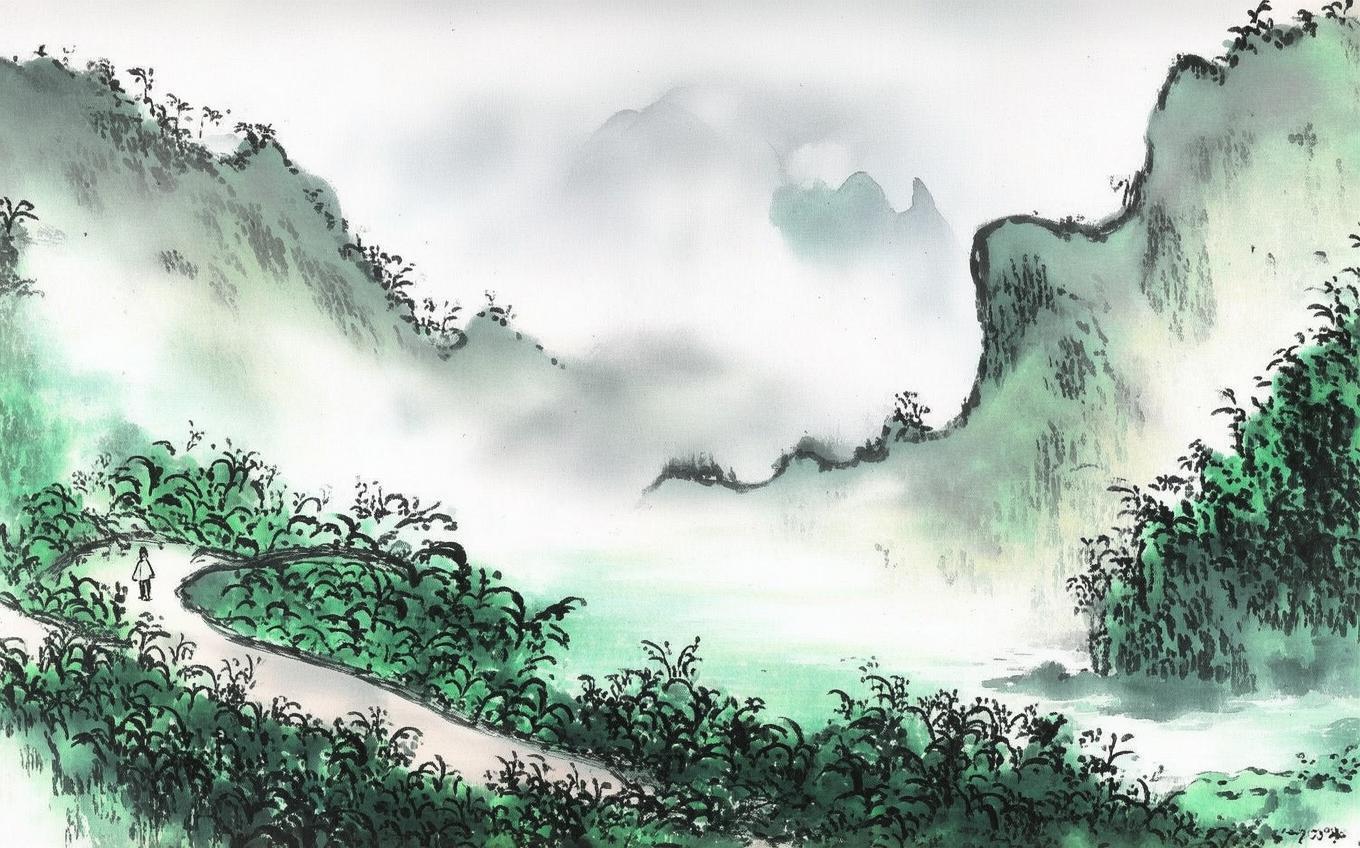
"Over Wu Gorge, Wu Mountain’s air grows bleak and grim" – The desolate landscape mirrors Du Fu’s inner turmoil and the decline of the Tang Dynasty.
-
"Between the riverbanks, waves surge to the sky" – A metaphor for political unrest and the poet’s turbulent emotions.
-
"At the frontier, wind and clouds merge with earth’s gloom" – The frontier symbolizes exile, while the merging elements suggest a world in chaos.
-
"Chrysanthemums bloom twice—tears for bygone days" – Chrysanthemums, a symbol of autumn and endurance, remind Du Fu of lost time and unfulfilled hopes.
-
"A lone boat moored—my heart yearns for home" – The boat represents his stranded life, while "home" signifies both his physical homeland and a lost era of stability.
-
"Winter robes urge the tailor’s scissors and ruler" – Practical concerns (winter clothing) contrast with his poetic melancholy, grounding the poem in reality.
-
"At White Emperor City, evening’s pounding laundry blocks sound urgent" – The rhythmic pounding of laundry (a domestic sound) underscores the relentless passage of time.
Themes and Symbolism
- Transience and Sorrow: Autumn serves as a metaphor for decline, both personal and national.
- Exile and Longing: Du Fu’s displacement from the capital reflects his grief for a fractured empire.
- Nature as Emotion: Landscapes mirror inner states—waves, wind, and clouds embody unrest.
Cultural Context
Du Fu wrote during the An Lushan Rebellion (755–763), which devastated the Tang Dynasty. His poetry often blends personal suffering with historical commentary, earning him the title "Poet-Historian." "秋兴八首" exemplifies the lǜshi (regulated verse) form, with strict tonal patterns and parallel couplets.
Autumn in Chinese poetry symbolizes both beauty and decay, making it a fitting backdrop for Du Fu’s meditations on mortality and loss.
Conclusion
"秋兴八首" captures the essence of Du Fu’s genius: his ability to weave personal emotion, historical insight, and natural imagery into a timeless tapestry. For modern readers, the poems resonate as a poignant reminder of resilience amid adversity. Through his words, autumn becomes not just a season but a state of the soul—one that transcends centuries and cultures.

Comments (0)
No comments yet. Be the first to comment!