
Analysis of "独坐敬亭山" - Classical Chinese Poetry
Introduction
The poem "独坐敬亭山" (Dú Zuò Jìng Tíng Shān, "Sitting Alone at Jingting Mountain") was written by Li Bai (李白, 701–762), one of China's most celebrated poets from the Tang Dynasty. Known as the "Immortal Poet" (诗仙, Shī Xiān), Li Bai was famous for his romantic, free-spirited style and his deep connection with nature.
This poem, composed during Li Bai's later years, reflects his solitude and spiritual communion with nature. It is considered a masterpiece of classical Chinese poetry for its simplicity, depth, and profound emotional resonance.
The Poem: Full Text and Translation
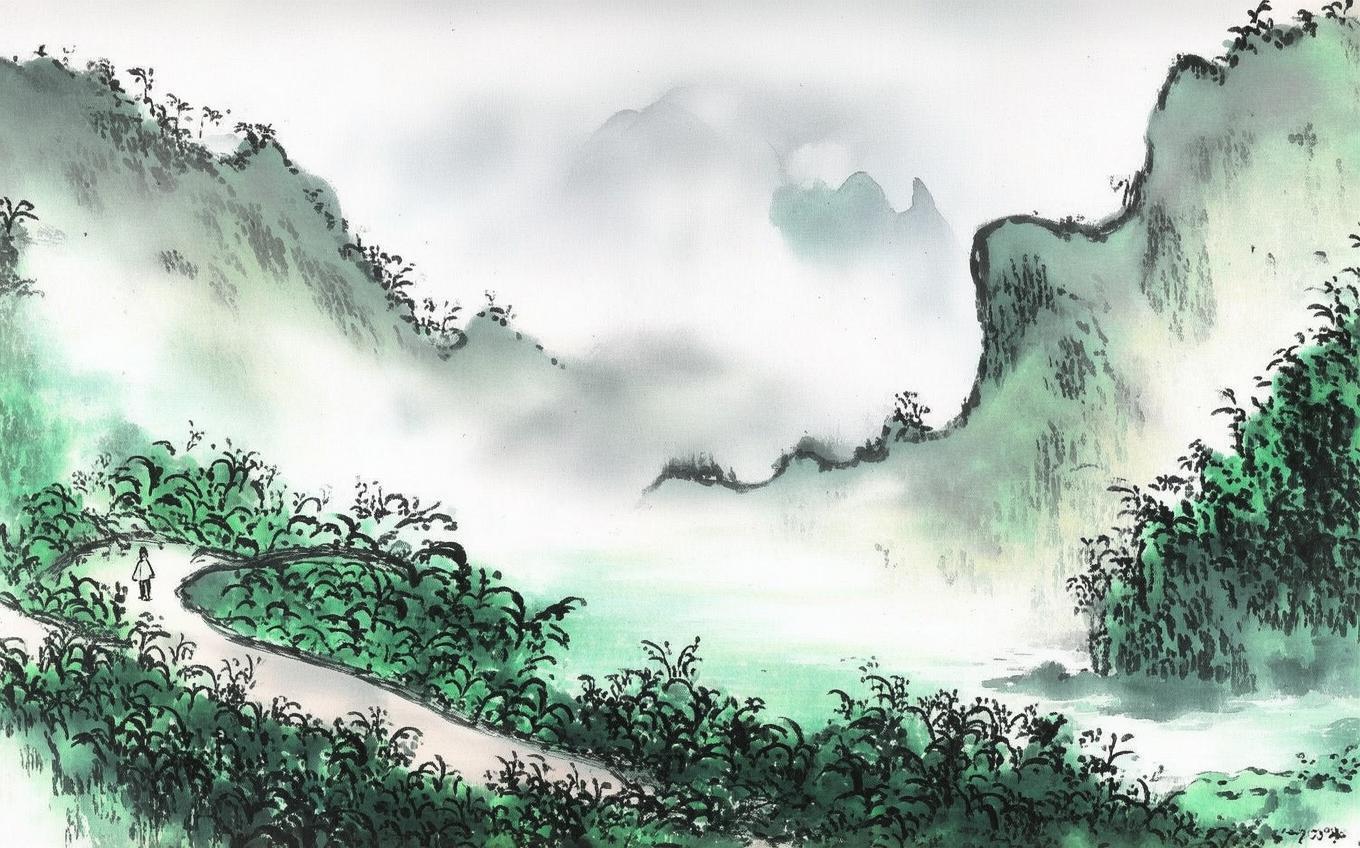
众鸟高飞尽
Zhòng niǎo gāo fēi jìn
All birds have flown away, so high;孤云独去闲
Gū yún dú qù xián
A lonely cloud drifts idly by.相看两不厌
Xiāng kàn liǎng bù yàn
We never tire of each other,只有敬亭山
Zhǐ yǒu Jìng Tíng Shān
Only Jingting Mountain and I.
(Translation adapted for poetic flow while preserving meaning.)
Line-by-Line Analysis
-
"众鸟高飞尽" (All birds have flown away, so high)
- The opening line depicts a scene of departure—birds soaring away, leaving the sky empty. This symbolizes the poet's isolation, as if the world has moved on without him. -
"孤云独去闲" (A lonely cloud drifts idly by)
- The "lonely cloud" mirrors Li Bai's own solitude. The word xián (闲) suggests leisure and detachment, reinforcing the theme of peaceful loneliness. -
"相看两不厌" (We never tire of each other)
- The poet shifts to a dialogue with nature. The mountain becomes a companion, suggesting a deep, silent bond. -
"只有敬亭山" (Only Jingting Mountain and I)
- The final line emphasizes the poet's spiritual connection with the mountain, portraying nature as a refuge from human solitude.
Themes and Symbolism
1. Solitude and Companionship
- The poem explores loneliness but transforms it into a meditative, almost joyful solitude. The mountain is not just scenery—it becomes a friend.
2. Harmony with Nature
- Li Bai reflects Daoist ideals, where nature is a source of wisdom and peace. The mountain represents constancy in a transient world.
3. Minimalism and Depth
- With just 20 characters, the poem conveys profound emotion through simple imagery—birds, clouds, and a mountain.
Cultural Context
Tang Dynasty Poetry
- Li Bai was part of the High Tang period, a golden age of Chinese poetry. His works often blend personal emotion with natural beauty.
Daoist Influence
- The poem embodies wu wei (无为, effortless action) and the idea of finding contentment in stillness, central to Daoist philosophy.
Jingting Mountain
- Located in Anhui Province, this mountain was a retreat for scholars and poets seeking inspiration.
Conclusion
"独坐敬亭山" is a masterpiece of brevity and depth, capturing the beauty of solitude and the silent dialogue between humans and nature. Li Bai’s ability to find companionship in a mountain speaks to universal themes of loneliness, resilience, and inner peace.
Even today, the poem resonates with readers worldwide—reminding us that in moments of solitude, we are never truly alone if we learn to listen to the world around us.
Would you like to explore more of Li Bai’s works or other classical Chinese poems? Let me know in the comments!

Comments (0)
No comments yet. Be the first to comment!