Analysis of "渭城曲" - Classical Chinese Poetry
Introduction
"渭城曲" (Wèi Chéng Qǔ), also known as "Song of Weicheng," is one of the most famous farewell poems in Chinese literature. It was written by Wang Wei (王维, 699–759), a celebrated Tang Dynasty poet, painter, and musician. Known for his tranquil and contemplative style, Wang Wei often blended natural imagery with deep emotional undertones.
This poem captures a moment of parting between friends, set against the backdrop of Weicheng (modern-day Xianyang, Shaanxi). Its simplicity and emotional depth have made it a timeless piece, frequently recited and referenced in Chinese culture.
The Poem: Full Text and Translation
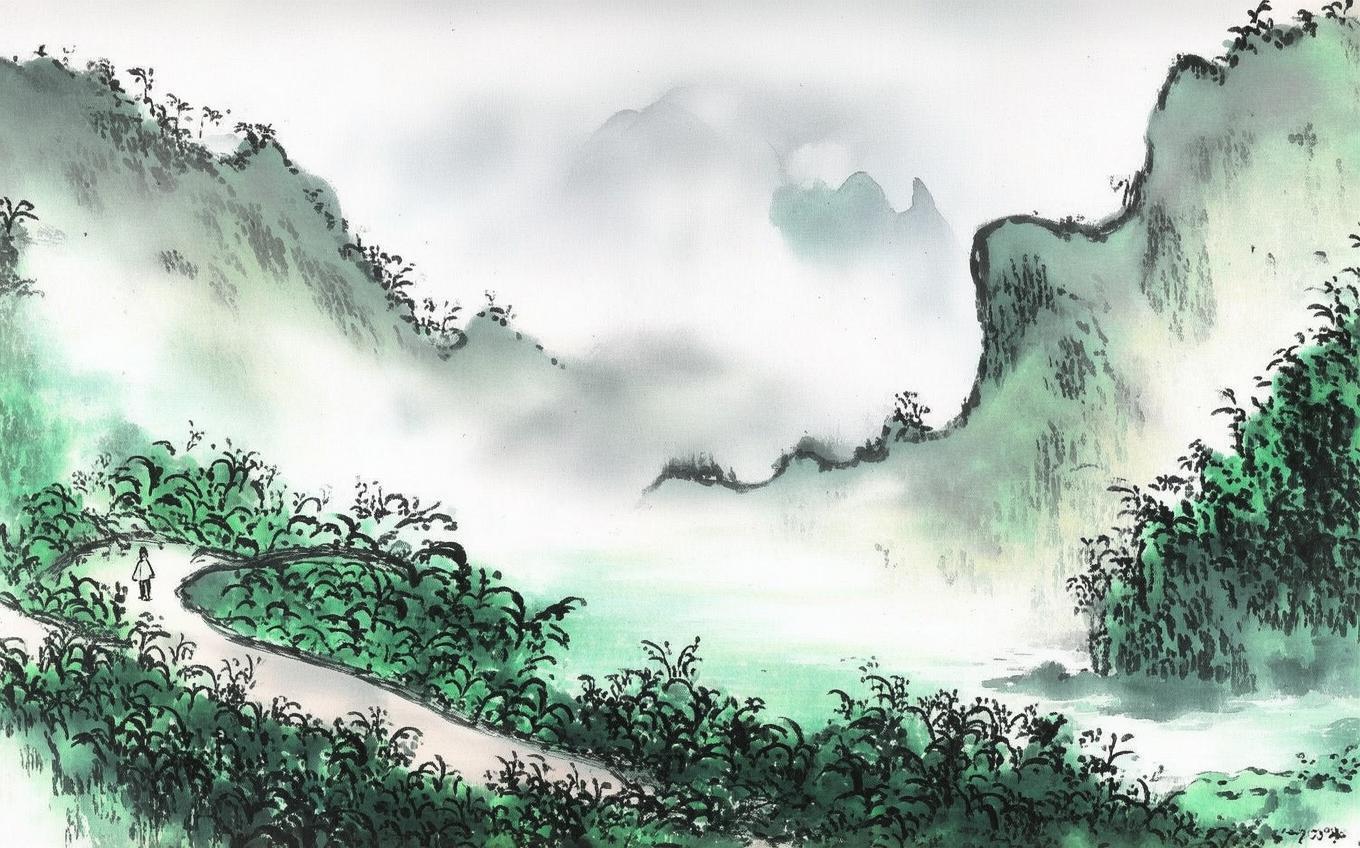
渭城朝雨浥轻尘
Wèi chéng zhāo yǔ yì qīng chén
The morning rain in Weicheng dampens the light dust,客舍青青柳色新
Kè shè qīng qīng liǔ sè xīn
The inn is green with fresh willows.劝君更尽一杯酒
Quàn jūn gèng jìn yī bēi jiǔ
I urge you to drink one more cup of wine,西出阳关无故人
Xī chū yáng guān wú gù rén
For beyond the Yang Pass, you’ll meet no old friends.
Line-by-Line Analysis
-
"渭城朝雨浥轻尘"
- The poem opens with a serene morning scene in Weicheng, where a light rain has settled the dust. The imagery evokes freshness and calm, yet subtly hints at melancholy—rain often symbolizes parting in Chinese poetry. -
"客舍青青柳色新"
- The green willows by the inn symbolize farewell (liǔ 柳 sounds like liú 留, meaning "to stay"). The vibrant color contrasts with the sadness of departure, emphasizing the fleeting beauty of the moment. -
"劝君更尽一杯酒"
- The speaker urges his friend to drink "one more cup," a gesture of camaraderie and reluctance to let go. Wine in Chinese culture is tied to both celebration and sorrow, making this line deeply poignant. -
"西出阳关无故人"
- The Yang Pass (阳关) was a remote frontier gate in the west. The line underscores the loneliness awaiting the traveler, heightening the emotional weight of the farewell.
Themes and Symbolism
1. Farewell and Friendship
- The poem centers on the pain of separation and the bond between friends. The act of sharing wine becomes a ritual of connection before an inevitable parting.
2. Nature as a Mirror of Emotion
- Wang Wei uses natural elements (rain, willows) to reflect human emotions. The fresh willows contrast with the sorrow of departure, creating a bittersweet tone.
3. Transience and Longing
- The poem captures the fleeting nature of moments and the longing for permanence in relationships, a recurring theme in Tang poetry.
Cultural Context
- Tang Dynasty Travel: During the Tang Dynasty, long journeys were perilous, and farewells often carried a sense of finality. Poems like this were composed as parting gifts.
- The Willow Symbolism: Willows (柳) were planted along roadsides and became a metaphor for farewells. Breaking a willow branch was a traditional gesture of seeing someone off.
- Music and Poetry: "渭城曲" was later set to music and sung at farewell banquets, amplifying its cultural impact.
Conclusion
"渭城曲" is a masterpiece of understated emotion, where every word carries weight. Its blend of natural beauty and human tenderness speaks universally, transcending time and culture. Today, it remains a poignant reminder of the enduring power of friendship and the inevitability of change.
For modern readers, the poem invites reflection on how we say goodbye—whether to people, places, or moments—and the small rituals that help us cherish connection.
"Drink one more cup of wine—for the road ahead is long, and old friends are few."


Comments (0)
No comments yet. Be the first to comment!