Analysis of "卜算子·咏梅" - Classical Chinese Poetry
Introduction
"卜算子·咏梅" (Bǔ Suàn Zǐ · Yǒng Méi, "Song of Divination: Ode to the Plum Blossom") is one of the most famous poems by Lu You (陆游, 1125–1210), a prominent poet of the Southern Song Dynasty. Known for his patriotic fervor and emotional depth, Lu You wrote this poem during a time of personal and national turmoil, as the Song Dynasty faced threats from northern invaders.
The plum blossom (méi huā, 梅花) is a revered symbol in Chinese culture, representing resilience, purity, and perseverance in adversity. Lu You’s poem captures these qualities while also reflecting his own unyielding spirit.
The Poem: Full Text and Translation
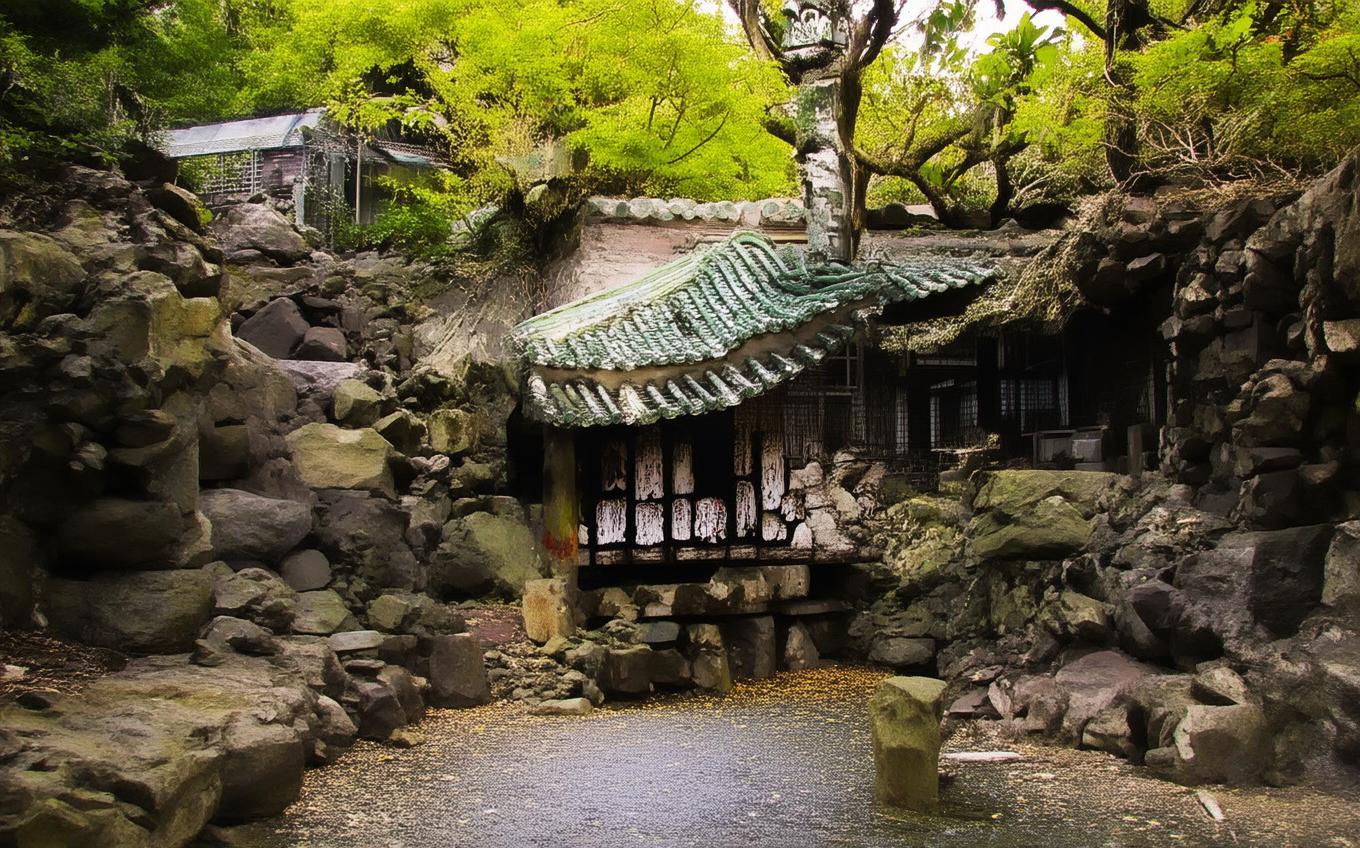
驿外断桥边
Yì wài duàn qiáo biān
Beside the broken bridge, outside the post station,寂寞开无主
Jìmò kāi wú zhǔ
Lonely, it blooms, ownerless.已是黄昏独自愁
Yǐ shì huánghūn dúzì chóu
At dusk, it stands alone in sorrow,更著风和雨
Gèng zhe fēng hé yǔ
And now, the wind and rain assail it.无意苦争春
Wú yì kǔ zhēng chūn
It has no wish to vie for spring’s favor,一任群芳妒
Yī rèn qún fāng dù
Let other flowers envy and spite it.零落成泥碾作尘
Língluò chéng ní niǎn zuò chén
Fallen to mud, crushed into dust,只有香如故
Zhǐ yǒu xiāng rú gù
Only its fragrance lingers as before.
Line-by-Line Analysis
-
"Beside the broken bridge, outside the post station"
- The poem opens with a desolate scene—a neglected place, symbolizing isolation. The "broken bridge" suggests abandonment, mirroring the poet’s own feelings of exile. -
"Lonely, it blooms, ownerless"
- The plum blossom thrives without care, embodying self-sufficiency. Its "ownerless" state reflects Lu You’s political marginalization. -
"At dusk, it stands alone in sorrow"
- Dusk (huánghūn) deepens the melancholy, a time when solitude feels heaviest. The plum’s "sorrow" mirrors the poet’s grief for his country. -
"And now, the wind and rain assail it"
- Nature’s harshness represents life’s struggles. The plum endures, just as Lu You endured political persecution. -
"It has no wish to vie for spring’s favor"
- The plum does not compete with other flowers, symbolizing integrity. Lu You, too, refused to compromise his principles for power. -
"Let other flowers envy and spite it"
- The "envy" of "other flowers" critiques societal pettiness. The plum remains unshaken, much like the poet’s steadfastness. -
"Fallen to mud, crushed into dust"
- Even in decay, the plum’s essence persists. This line foreshadows Lu You’s belief that his ideals would outlast his lifetime. -
"Only its fragrance lingers as before"
- The enduring fragrance symbolizes the poet’s unyielding spirit. His legacy, like the plum’s scent, remains eternal.
Themes and Symbolism
Resilience in Adversity
The plum blossom thrives in winter, a metaphor for enduring hardship. Lu You, exiled and heartbroken, identified with its strength.
Integrity and Non-Conformity
The plum’s refusal to "vie for spring" reflects Confucian ideals of moral steadfastness. Lu You’s defiance against corruption aligns with this virtue.
Transience and Legacy
Though the plum falls, its fragrance endures—a Buddhist-tinged reminder that true virtue outlasts physical decay.
Cultural Context
During the Southern Song Dynasty, China was fractured by war with the Jin Dynasty. Lu You, a patriot, lamented his country’s decline but never surrendered hope. The plum blossom was a common motif in shī (诗) and cí (词) poetry, representing scholars who remained virtuous despite persecution.
This poem also echoes Daoist principles: the plum’s quiet endurance mirrors wu wei (无为), or effortless action. Its beauty lies not in dominance but in quiet persistence.
Conclusion
Lu You’s "卜算子·咏梅" is a masterpiece of symbolic depth and emotional resonance. Through the plum blossom, he conveys timeless truths about resilience, integrity, and legacy. For modern readers, the poem is a reminder that strength often lies in quiet perseverance—a message as relevant today as in 12th-century China.
The plum’s fragrance lingers, just as Lu You’s words continue to inspire.

Comments (0)
No comments yet. Be the first to comment!