
Analysis of "菩萨蛮·书江西造口壁" - Classical Chinese Poetry
Introduction
The poem Pú Sà Mán·Shū Jiāngxī Zàokǒu Bì (菩萨蛮·书江西造口壁) was written by Xin Qiji (辛弃疾, 1140–1207), one of the greatest poets of the Southern Song Dynasty. Known for his patriotic fervor and lyrical intensity, Xin Qiji was a military leader turned poet whose works often expressed his grief over China's lost northern territories to the Jin Dynasty.
This poem, inscribed on the wall of Zaokou in Jiangxi, is a masterpiece of the Cí (词) genre—a form of lyric poetry set to music. It blends personal sorrow with national tragedy, using vivid natural imagery to convey deep emotion.
The Poem: Full Text and Translation
郁孤台下清江水
Yùgū tái xià qīngjiāng shuǐ
Below the Yugu Tower flows the clear river water,中间多少行人泪
Zhōngjiān duōshǎo xíngrén lèi
How many travelers' tears are mixed within?西北望长安
Xīběi wàng Cháng'ān
Gazing northwest toward Chang'an,可怜无数山
Kělián wúshù shān
Alas, only countless mountains block the view.青山遮不住
Qīngshān zhē bú zhù
But blue mountains cannot block it all—毕竟东流去
Bìjìng dōng liú qù
The river, after all, flows eastward.江晚正愁余
Jiāng wǎn zhèng chóu yú
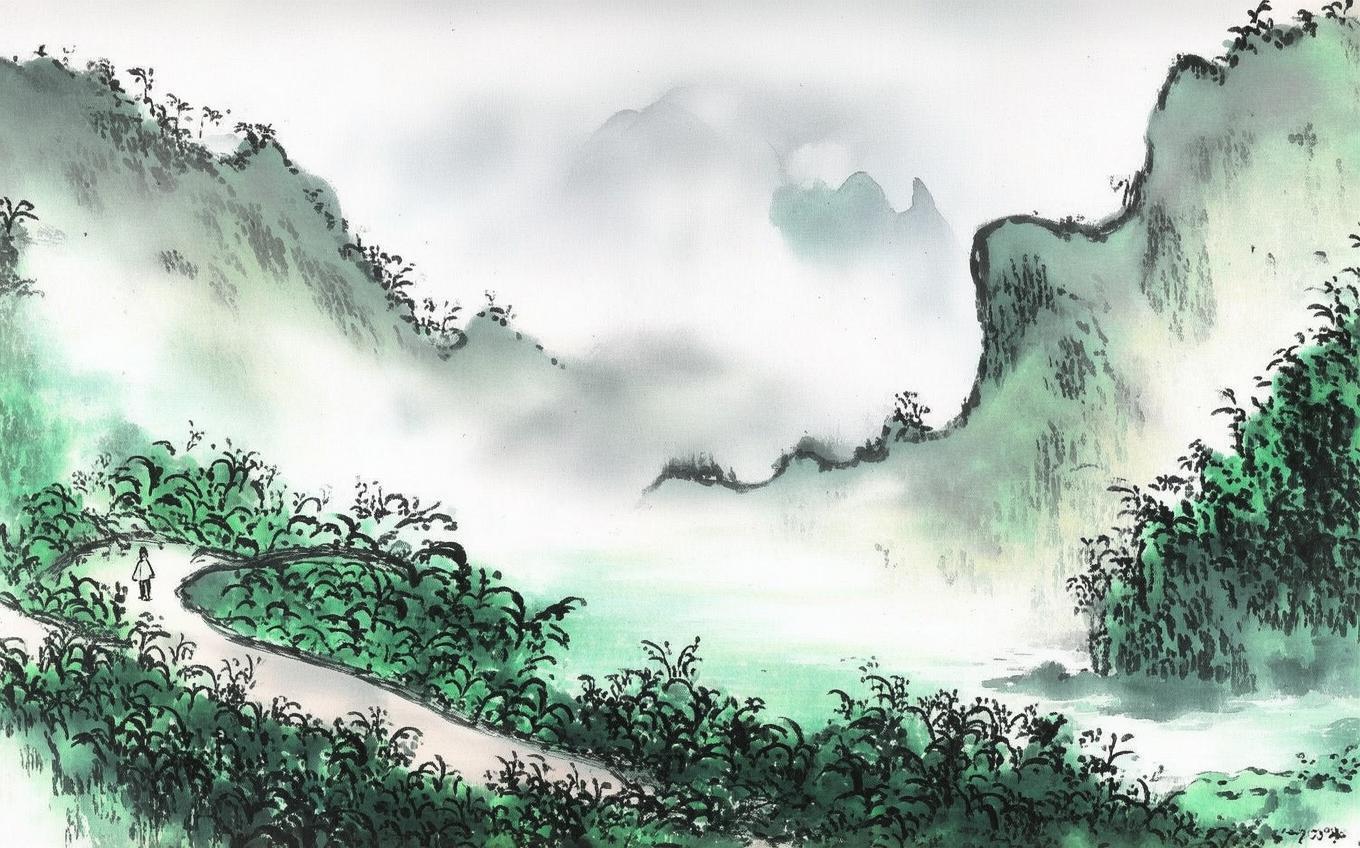
At dusk by the river, sorrow fills me,山深闻鹧鸪
Shān shēn wén zhègū
From deep mountains, the partridge's cry echoes.
Line-by-Line Analysis
-
"Below the Yugu Tower flows the clear river water"
- Yugu Tower (郁孤台) was a famous landmark in Jiangxi, symbolizing a vantage point for reflection.
- The clear river contrasts with the tears in the next line, suggesting sorrow beneath surface tranquility. -
"How many travelers' tears are mixed within?"
- The river becomes a metaphor for collective suffering—refugees fleeing war, including Xin Qiji himself. -
"Gazing northwest toward Chang'an"
- Chang'an (长安, modern Xi'an) was the ancient capital, representing the lost northern territories. -
"Alas, only countless mountains block the view."
- The mountains symbolize political barriers—the Song Dynasty's inability to reclaim its homeland. -
"But blue mountains cannot block it all—"
- A shift in tone: nature’s persistence mirrors the poet’s unyielding hope. -
"The river, after all, flows eastward."
- The eastward flow suggests inevitability—perhaps time or fate, but also resilience. -
"At dusk by the river, sorrow fills me"
- Dusk (晚) underscores melancholy; the poet’s personal grief merges with national tragedy. -
"From deep mountains, the partridge's cry echoes."
- The partridge’s cry (鹧鸪) is an omen in Chinese lore, heightening the sense of despair.
Themes and Symbolism
- Patriotism and Loss: The poem mourns the fall of northern China while clinging to hope.
- Nature as Emotion: Rivers and mountains reflect both obstruction and perseverance.
- Loneliness: The poet stands isolated, his yearning for home unanswered.
Cultural Context
Xin Qiji wrote this after the Jin Dynasty’s invasion, which split China. The Southern Song Dynasty, though culturally rich, was militarily weak. The poem captures the conflict between duty and despair—a theme resonating in Chinese literature, where scholars often balanced loyalty to the state with personal frustration.
The partridge’s cry also carries cultural weight: its call sounds like "行不得也哥哥" ("It can’t be done, brother"), echoing the poet’s helplessness.
Conclusion
"菩萨蛮·书江西造口壁" is a poignant fusion of landscape and longing. Xin Qiji’s genius lies in making a river’s flow and a bird’s cry speak for an entire nation’s grief. Today, the poem remains a testament to resilience—a reminder that even when mountains obscure the way, the current of hope endures.
For readers exploring Chinese poetry, this work offers a gateway into the emotional depth and historical weight of the Cí tradition. Its beauty lingers, much like the river’s eastward journey—unstoppable and eternal.

Comments (0)
No comments yet. Be the first to comment!