Analysis of "行宫" - Classical Chinese Poetry
Introduction
The poem "行宫" (Xíng Gōng) was written by the Tang Dynasty poet Yuan Zhen (元稹, 779–831). Yuan Zhen was a prominent literary figure and a close friend of the famous poet Bai Juyi (白居易). Together, they advocated for the Xin Yuefu Movement (新乐府运动), which emphasized writing poetry that reflected social realities in simple, accessible language.
"行宫" is a short but poignant poem that captures the melancholy of an abandoned imperial palace. It reflects on the passage of time, the transience of glory, and the loneliness of forgotten places. Despite its brevity, the poem is considered a masterpiece of Tang Dynasty poetry for its depth of emotion and vivid imagery.
The Poem: Full Text and Translation
行宫
Xíng Gōng
The Imperial Travel Palace寥落古行宫
Liáo luò gǔ xíng gōng
Desolate stands the ancient travel palace宫花寂寞红
Gōng huā jì mò hóng
Palace flowers bloom in lonely red白头宫女在
Bái tóu gōng nǚ zài
White-haired palace maids remain闲坐说玄宗
Xián zuò shuō Xuán zōng
Sitting idly, talking of Emperor Xuanzong
Line-by-Line Analysis
-
寥落古行宫 (Liáo luò gǔ xíng gōng)
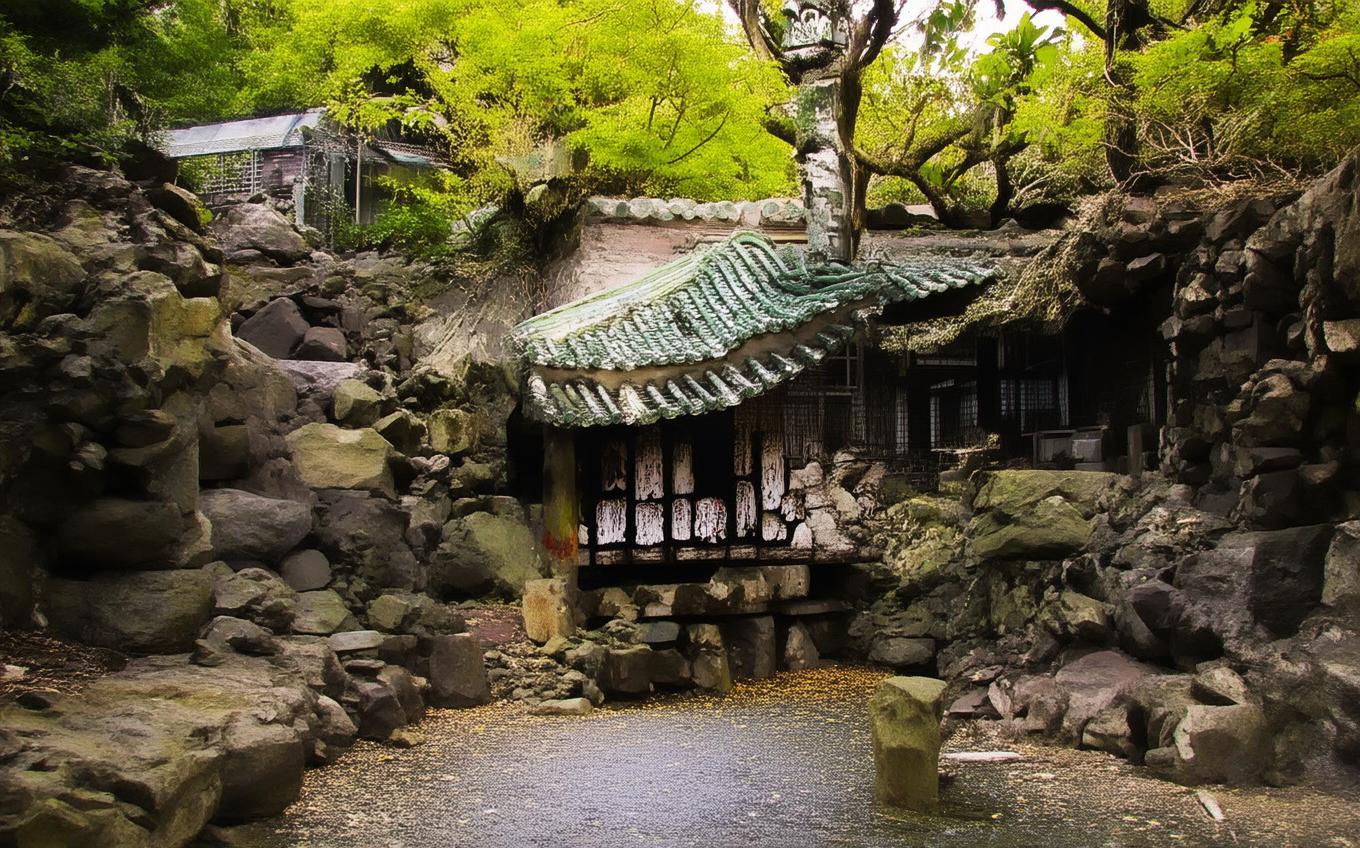
- The poem opens with a stark image of an abandoned imperial travel palace (行宫). The word 寥落 (liáo luò) means "desolate" or "lonely," immediately setting a somber tone. The adjective 古 (gǔ), meaning "ancient," suggests that the palace has been neglected for a long time. -
宫花寂寞红 (Gōng huā jì mò hóng)
- The second line contrasts the emptiness of the palace with the vivid red of its flowers. The phrase 寂寞红 (jì mò hóng)—"lonely red"—personifies the flowers, implying that even their beauty goes unnoticed. This symbolizes the fading grandeur of the past. -
白头宫女在 (Bái tóu gōng nǚ zài)
- The third line introduces the only living figures in the scene: aging palace maids with white hair (白头). Their presence suggests they have spent their entire lives in the palace, forgotten by time. -
闲坐说玄宗 (Xián zuò shuō Xuán zōng)
- The final line reveals the maids idly reminiscing about Emperor Xuanzong (玄宗), a ruler of the Tang Dynasty's golden age. Their nostalgia contrasts sharply with the present decay, emphasizing the fleeting nature of power and glory.
Themes and Symbolism
1. Transience of Power
The poem reflects on the impermanence of imperial splendor. The once-magnificent palace is now abandoned, and even Emperor Xuanzong—once a symbol of prosperity—is reduced to a mere subject of old women's gossip.
2. Loneliness and Neglect
The imagery of "lonely red flowers" and "white-haired maids" conveys deep solitude. The maids, like the palace, have been left behind by history, their lives frozen in time.
3. Nostalgia and Memory
The maids' conversation about Xuanzong highlights how memory lingers even as physical grandeur fades. Their stories are the last remnants of a bygone era.
Cultural Context
- Tang Dynasty's Decline: The poem subtly critiques the Tang Dynasty's decline after the An Lushan Rebellion (755–763), which weakened the empire. Emperor Xuanzong's reign (712–756) was initially prosperous but ended in turmoil.
- Imperial Travel Palaces: 行宫 were temporary residences for emperors during travels. Their abandonment symbolizes the fall of dynastic power.
- Yuan Zhen’s Style: Like Bai Juyi, Yuan Zhen often wrote about social issues and human suffering in simple yet profound language.
Conclusion
"行宫" is a masterpiece of economy and depth. In just four lines, Yuan Zhen captures the melancholy of forgotten places and people, reminding us that even the greatest empires fade into memory. The poem’s enduring appeal lies in its universal themes—time’s passage, the futility of glory, and the quiet persistence of memory.
For modern readers, "行宫" serves as a poignant reflection on how history leaves behind both ruins and stories, urging us to listen to the whispers of the past before they, too, disappear.

Comments (0)
No comments yet. Be the first to comment!