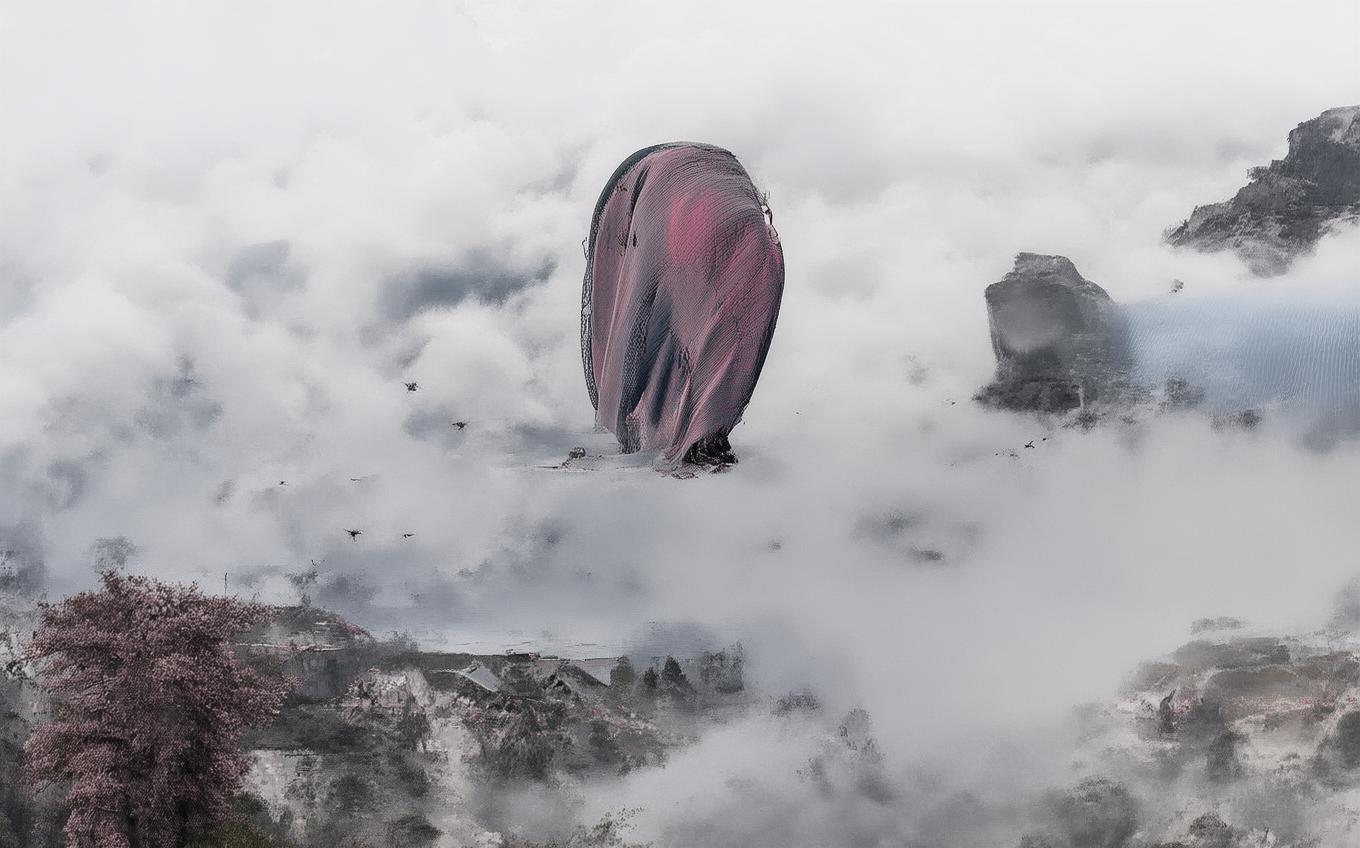
Analysis of "塞下曲" - Classical Chinese Poetry
Introduction
"塞下曲" (Sài Xià Qǔ), or "Frontier Songs," is a genre of classical Chinese poetry that depicts life on the northern frontiers of ancient China. These poems often reflect the hardships of soldiers, the vastness of the frontier, and the tension between war and peace. One of the most famous examples is 卢纶 (Lú Lún)'s 塞下曲 (Sài Xià Qǔ) series from the Tang Dynasty (618–907 AD).
Lú Lún was a mid-Tang poet known for his vivid and concise style. His 塞下曲 poems capture the bravery, loneliness, and stoicism of frontier warriors. Below, we analyze one of his most celebrated pieces from this series.
The Poem: Full Text and Translation
塞下曲 · 其三 (Sài Xià Qǔ · Qí Sān)
Frontier Song · No. 3
月黑雁飞高
Yuè hēi yàn fēi gāo
The moon is dark, wild geese fly high,单于夜遁逃
Chányú yè dùn táo
The enemy chieftain flees in night’s shadow.欲将轻骑逐
Yù jiāng qīng qí zhú
We prepare light cavalry in pursuit,大雪满弓刀
Dà xuě mǎn gōng dāo
Heavy snow clings to bows and blades.
Line-by-Line Analysis
-
"The moon is dark, wild geese fly high"
- The opening sets a tense, silent atmosphere. The darkness obscures vision, while the geese’s flight suggests movement—perhaps an omen of impending conflict. -
"The enemy chieftain flees in night’s shadow"
- Chányú refers to the leader of the nomadic Xiongnu, a frequent adversary of Han China. His escape under cover of night heightens the urgency. -
"We prepare light cavalry in pursuit"
- The Chinese soldiers react swiftly, emphasizing discipline and readiness. The "light cavalry" suggests speed and precision. -
"Heavy snow clings to bows and blades"
- A striking image of hardship—snow weighing down weapons symbolizes the brutal conditions of frontier warfare. The poem ends abruptly, leaving the outcome uncertain.
Themes and Symbolism
War and Nature
The poem contrasts human conflict with the indifferent forces of nature. The snow and darkness are not just backdrops but active elements that shape the soldiers' struggle.
Silence and Tension
Unlike battle poems filled with clashing swords, this one thrives on quiet tension—whispered commands, muffled footsteps in snow, and the unseen enemy.
Loyalty and Duty
The soldiers’ readiness to pursue despite harsh conditions reflects Confucian ideals of loyalty and resilience.
Cultural Context
The Tang Dynasty was a golden age of Chinese poetry, where frontier poems (边塞诗 biān sài shī) flourished. These works often blended patriotism with melancholy, celebrating bravery while acknowledging war’s toll.
Lú Lún’s poem distills the essence of frontier life—uncertainty, endurance, and the thin line between victory and defeat. It also reflects China’s historical struggles with northern nomadic tribes, a recurring theme in classical literature.
Conclusion
Lú Lún’s 塞下曲 is a masterpiece of economy and atmosphere. In just four lines, it conveys the stealth, tension, and harsh beauty of the frontier. Its enduring appeal lies in its universal themes—courage in adversity, the clash of civilizations, and humanity’s fragile place in nature.
For modern readers, the poem serves as a window into Tang Dynasty China while resonating with timeless truths about war and survival.




Comments (0)
No comments yet. Be the first to comment!