Analysis of "雁门太守行" - Classical Chinese Poetry
Introduction
"雁门太守行" (Yànmén Tàishǒu Xíng, Song of the Governor of Yanmen) is a famous poem by Li He (李贺, 790–816), a Tang Dynasty poet known for his vivid, often darkly imaginative style. Li He, sometimes called the "Ghost of Poetry" (诗鬼), wrote during a period of political turmoil, and his works frequently explore themes of war, heroism, and mortality. This poem, set at the frontier fortress of Yanmen, depicts a fierce battle scene with striking imagery and emotional intensity. It remains a celebrated example of Tang Dynasty military poetry, showcasing Li He’s unique blend of realism and surrealism.
The Poem: Full Text and Translation
黑云压城城欲摧
Hēi yún yā chéng chéng yù cuī
Black clouds press down, the city on the verge of collapse,甲光向日金鳞开
Jiǎ guāng xiàng rì jīn lín kāi
Armor gleams toward the sun like golden scales unfolding.角声满天秋色里
Jiǎo shēng mǎn tiān qiū sè lǐ
Horn cries fill the autumn sky,塞上燕脂凝夜紫
Sài shàng yàn zhī níng yè zǐ
On the frontier, blood congeals into night’s purple.半卷红旗临易水
Bàn juǎn hóng qí lín Yì shuǐ
Half-rolled red banners reach the Yi River,霜重鼓寒声不起
Shuāng zhòng gǔ hán shēng bù qǐ
Frost weighs heavy, cold drums fail to rouse.报君黄金台上意
Bào jūn huángjīn tái shàng yì
To repay the lord’s favor on the Golden Terrace,提携玉龙为君死
Tíxié yù lóng wèi jūn sǐ
I raise the jade dragon sword, ready to die for you.
Line-by-Line Analysis
-
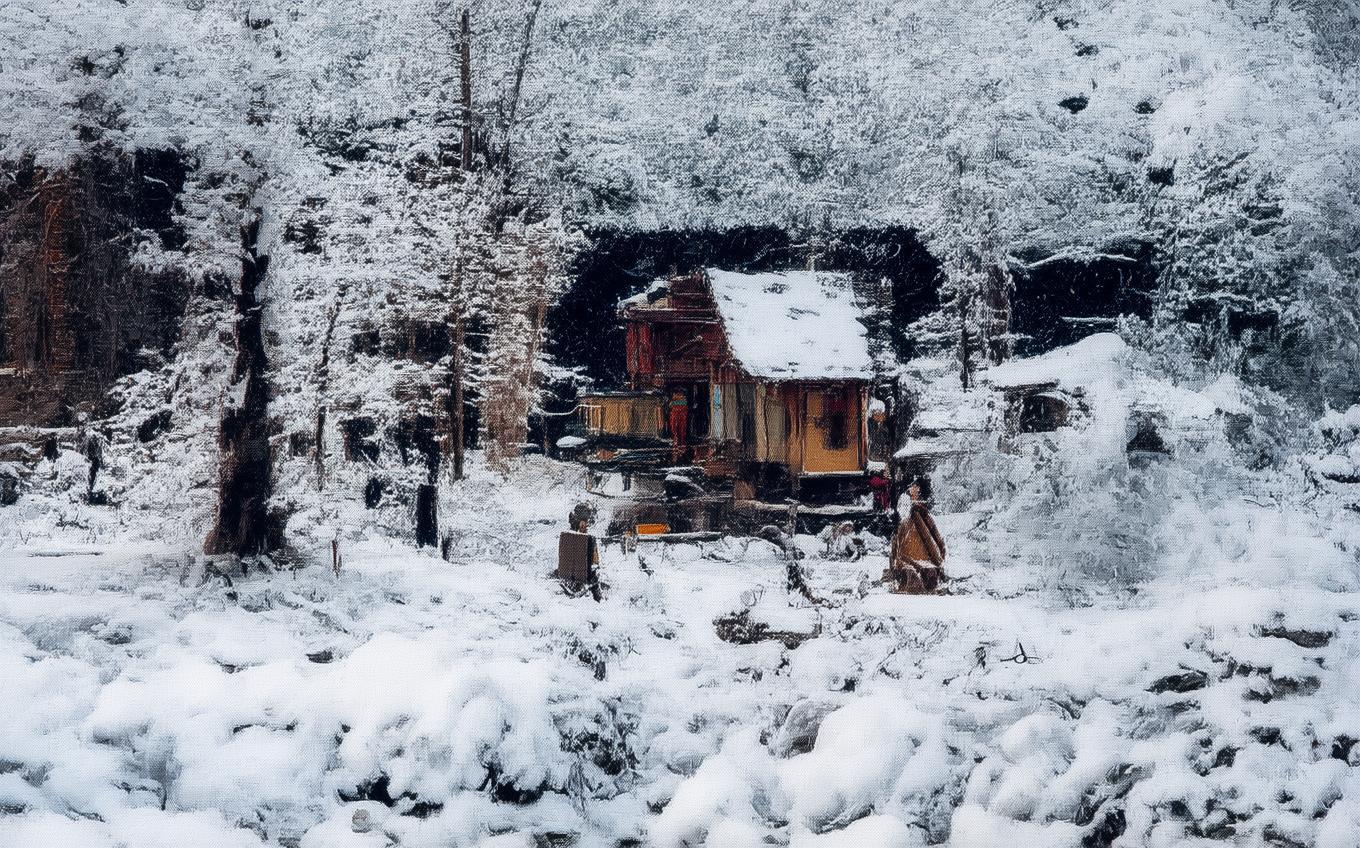
"Black clouds press down, the city on the verge of collapse" – The opening line sets a tense, apocalyptic mood, with the "black clouds" symbolizing both an approaching storm and the overwhelming enemy forces.
-
"Armor gleams toward the sun like golden scales unfolding" – A striking contrast: despite the doom, the soldiers’ armor reflects light, suggesting resilience amid despair.
-
"Horn cries fill the autumn sky" – The sound of war horns blends with the desolate autumn landscape, enhancing the poem’s bleak atmosphere.
-
"On the frontier, blood congeals into night’s purple" – A visceral image of battle’s aftermath; "purple" evokes both nobility and death in classical Chinese symbolism.
-
"Half-rolled red banners reach the Yi River" – The "half-rolled" banners suggest exhaustion, while the Yi River (historically linked to heroic last stands) foreshadows sacrifice.
-
"Frost weighs heavy, cold drums fail to rouse" – The drums, typically used to rally troops, are muted by frost, symbolizing fading hope.
-
"To repay the lord’s favor on the Golden Terrace" – The "Golden Terrace" refers to a legendary place where rulers honored loyal warriors, emphasizing duty and honor.
-
"I raise the jade dragon sword, ready to die for you" – The closing line is a vow of absolute loyalty, with the "jade dragon sword" representing both weapon and poetic elegance.
Themes and Symbolism
- War and Heroism: The poem glorifies sacrifice while acknowledging war’s brutality. The soldiers’ loyalty transcends fear.
- Nature’s Indifference: Autumn, frost, and night underscore the futility yet inevitability of conflict.
- Color Symbolism: Black (doom), gold (valor), red (blood), and purple (nobility/death) create a vivid, almost painterly effect.
Cultural Context
Li He wrote during the mid-Tang Dynasty, a time of border conflicts and political decay. His portrayal of Yanmen (a key northern frontier) reflects both the era’s militarism and the Confucian ideal of unwavering loyalty to the state. The poem’s blend of grotesque and sublime imagery aligns with Li He’s reputation as a poet who straddled realism and the supernatural.
Conclusion
"雁门太守行" is a masterpiece of condensed emotion and vivid imagery, capturing the duality of war—its horror and its haunting beauty. Li He’s ability to evoke sound, color, and movement in just eight lines makes the poem timeless. For modern readers, it serves as a window into Tang Dynasty values while resonating universally with themes of duty, sacrifice, and the fragility of life. Its closing vow—"ready to die for you"—remains one of Chinese poetry’s most powerful declarations of loyalty.

Comments (0)
No comments yet. Be the first to comment!