Understanding "垃圾" - Chinese Word Explanation
1. Basic Information
- Word: 垃圾
- Pinyin: lā jī
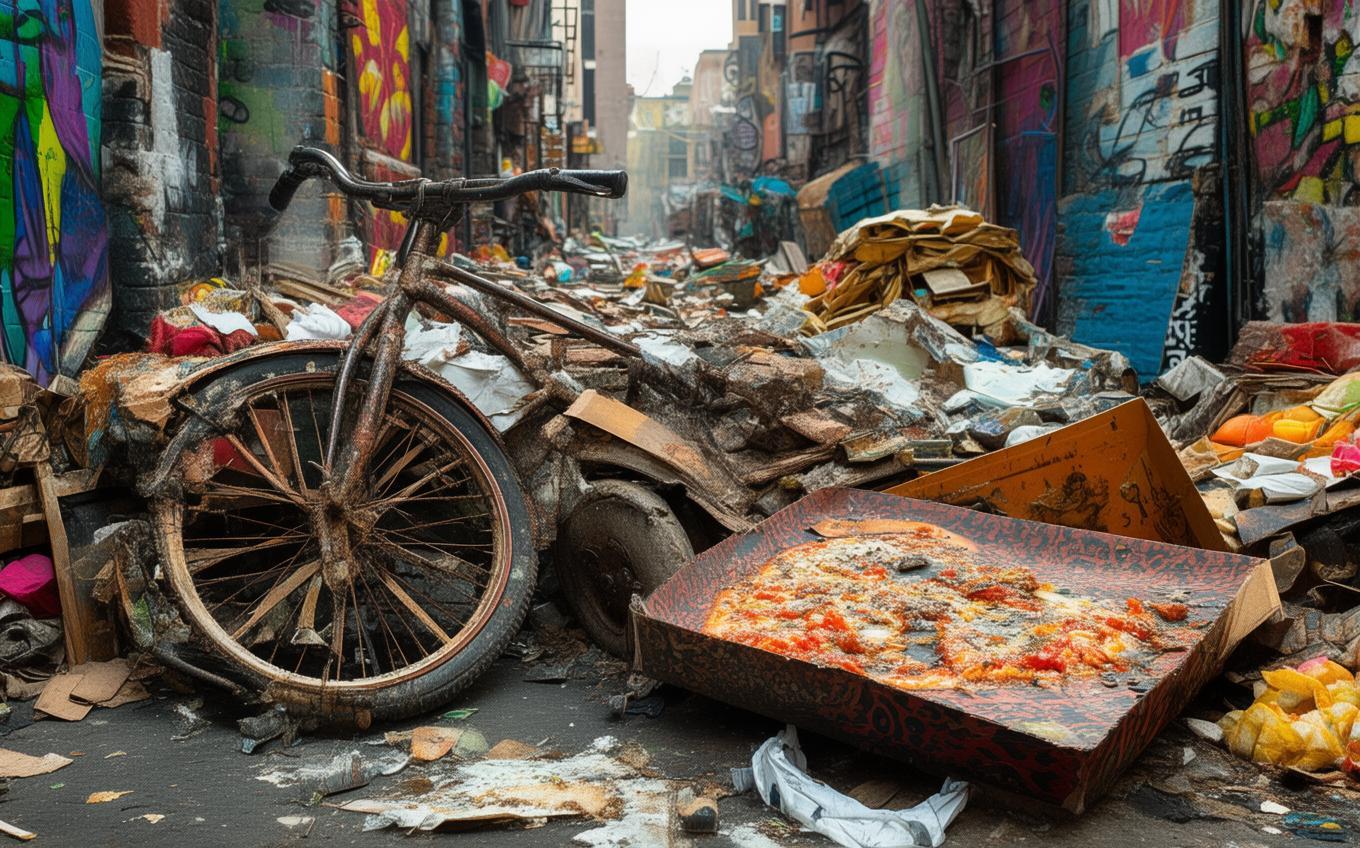
- Literal Meaning: "Rubbish" or "garbage" (both characters individually relate to waste or refuse).
- Primary Meaning: Refers to physical trash, waste, or worthless things. It can also metaphorically describe something of poor quality or someone considered "trashy" or immoral.
2. In-depth Explanation
Context and Usage
- Literal Use: Refers to physical waste, such as household trash, litter, or recyclables. Commonly seen in phrases like "扔垃圾" (throw away trash) or "垃圾分类" (waste sorting).
- Metaphorical Use: Describes something low-quality (e.g., "垃圾食品" for "junk food") or a person with unethical behavior (e.g., "他真是个垃圾" meaning "He’s trash").
- Internet Slang: In online contexts, it can mean "nonsense" or "useless content," similar to "BS" in English.
Character Breakdown
- 垃 (lā): Originally referred to dirt or debris. Rarely used alone; primarily appears in "垃圾."
- 圾 (jī): Means "ruins" or "broken fragments." Like "垃," it’s almost exclusively paired in "垃圾."
Together, the characters emphasize the idea of discarded, worthless material.
3. Example Sentences
-
Chinese: 请把垃圾扔进垃圾桶。
Pinyin: Qǐng bǎ lājī rēng jìn lājītǒng.
English: Please throw the trash into the trash can. -
Chinese: 这部电影太垃圾了,浪费时间。
Pinyin: Zhè bù diànyǐng tài lājī le, làngfèi shíjiān.
English: This movie is trash—a waste of time. -
Chinese: 垃圾分类对环境很重要。
Pinyin: Lājī fēnlèi duì huánjìng hěn zhòngyào.
English: Waste sorting is very important for the environment.
Cultural Notes
- Waste Management: China has implemented strict垃圾分类 (waste sorting) policies in cities like Shanghai, where failing to sort trash can result in fines.
- Internet Culture: Younger generations often use "垃圾" humorously to criticize low-effort content (e.g., "这帖子太垃圾了" – "This post is so trash").
- Taboo Context: Calling someone "垃圾" directly is highly offensive, implying they’re worthless or immoral.
Conclusion
"垃圾" (lājī) is a versatile word for "trash," covering literal waste, poor quality, or even moral judgment. Remember its dual use—neutral in environmental contexts but potentially harsh when describing people. Practice with phrases like "扔垃圾" to sound natural in daily life!




Comments (0)
No comments yet. Be the first to comment!