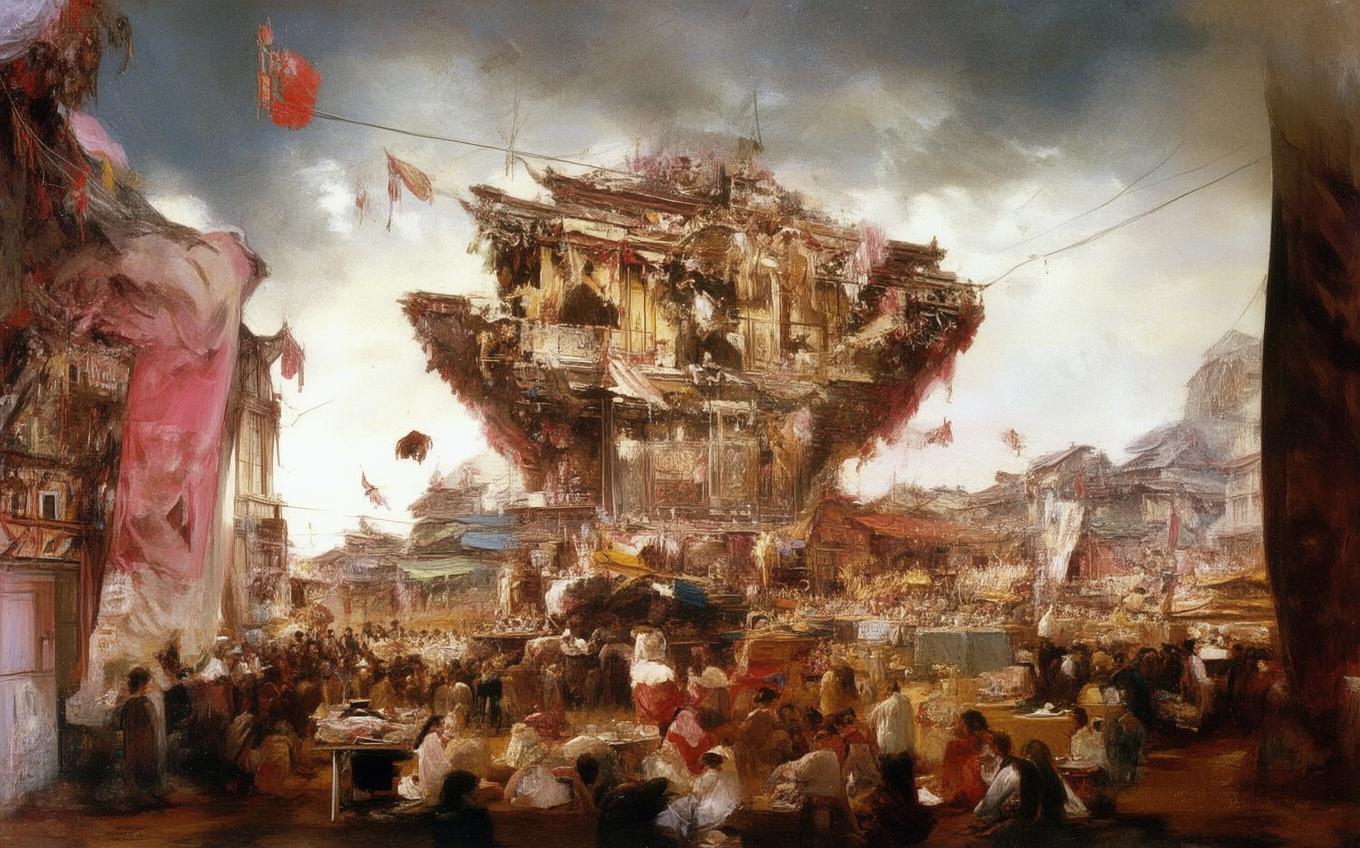
Analysis of "秋来" - Classical Chinese Poetry
Introduction
The poem "秋来" (Qiū Lái), or "Autumn Arrives", is a masterpiece by the Tang Dynasty poet Li Bai (李白), one of China's most celebrated literary figures. Known as the "Poet Immortal," Li Bai (701–762 CE) wrote during the golden age of Chinese poetry, blending Daoist philosophy, romanticism, and vivid natural imagery.
"秋来" captures the melancholic beauty of autumn, a season often associated with reflection, solitude, and the passage of time in Chinese literature. This poem exemplifies Li Bai's ability to evoke deep emotion through simple yet profound imagery, making it a timeless piece in classical Chinese poetry.
The Poem: Full Text and Translation
秋来
Qiū lái
Autumn Arrives桐风惊心壮士发
Tóng fēng jīng xīn zhuàngshì fà
The paulownia wind startles the hero’s heart, his hair stands on end,冷露滴梦破屋寒
Lěng lù dī mèng pò wū hán
Cold dew drips, dreams shatter—the broken house is cold.谁看青简一编书
Shéi kàn qīng jiǎn yī biān shū
Who will read this volume of bamboo scrolls?不遣花虫粉空蠹
Bù qiǎn huā chóng fěn kōng dù
Leaving only bookworms to gnaw the pages to dust.思牵今夜肠应直
Sī qiān jīn yè cháng yīng zhí
Thoughts pull taut tonight—my guts should straighten,雨冷香魂吊书客
Yǔ lěng xiāng hún diào shū kè
In cold rain, a fragrant spirit mourns the scholar.秋坟鬼唱鲍家诗
Qiū fén guǐ chàng Bào jiā shī
By autumn graves, ghosts sing the poems of Bao Zhao,恨血千年土中碧
Hèn xuè qiān nián tǔ zhōng bì
Their bitter blood turns emerald in the earth for a thousand years.
Line-by-Line Analysis
-
"The paulownia wind startles the hero’s heart, his hair stands on end"
- The "paulownia wind" (桐风) is an autumn wind, symbolizing change and unease. The "hero" (壮士) may represent the poet himself or an idealized figure, startled by the inevitability of time. -
"Cold dew drips, dreams shatter—the broken house is cold"
- "Cold dew" (冷露) signifies the chill of autumn, while the "broken house" (破屋) reflects the poet's isolation and decay. -
"Who will read this volume of bamboo scrolls?"
- Li Bai laments the futility of his literary efforts—will anyone remember his work? -
"Leaving only bookworms to gnaw the pages to dust"
- A metaphor for obscurity; even great writings may be forgotten and destroyed by time. -
"Thoughts pull taut tonight—my guts should straighten"
- The poet's sorrow is so intense it feels physical, twisting his insides. -
"In cold rain, a fragrant spirit mourns the scholar"
- A ghostly presence (perhaps a past poet) mourns the fate of scholars like Li Bai. -
"By autumn graves, ghosts sing the poems of Bao Zhao"
- Bao Zhao (鲍照) was a Six Dynasties poet known for his tragic verse. The ghosts singing his poems suggest art outlasting death. -
"Their bitter blood turns emerald in the earth for a thousand years"
- The "bitter blood" (恨血) symbolizes unresolved grief, while "emerald" (碧) implies enduring beauty in suffering.
Themes and Symbolism
-
Transience and Mortality
- Autumn represents the fleeting nature of life. The poem grapples with the fear of being forgotten. -
Loneliness and Despair
- The "broken house" and "cold rain" evoke isolation, while the "bookworms" symbolize neglect. -
Legacy and Art
- References to Bao Zhao and "bamboo scrolls" highlight the poet’s anxiety about whether his work will endure. -
Supernatural Imagery
- Ghosts and spirits reflect the Tang Dynasty’s fascination with the afterlife and the power of poetry to transcend death.
Cultural Context
- Tang Dynasty Poetry: Li Bai was part of a vibrant literary culture where poetry was a means of self-expression and social critique.
- Autumn in Chinese Literature: Autumn often symbolizes decline and introspection, contrasting with spring’s vitality.
- Daoist Influence: Li Bai’s work frequently embraces spontaneity and the natural world, but here, he confronts mortality head-on.
Conclusion
"秋来" is a haunting meditation on time, legacy, and the artist’s struggle against oblivion. Li Bai’s vivid imagery—wind, dew, ghosts, and emerald blood—creates a visceral sense of melancholy that resonates across centuries.
For modern readers, the poem is a reminder of art’s fragile beauty and the universal human desire to be remembered. Though Li Bai feared obscurity, his words have survived, proving that great poetry can indeed outlast "a thousand years."
Would you like recommendations for similar poems exploring autumn or mortality in Chinese literature? Let me know in the comments!




Comments (0)
No comments yet. Be the first to comment!