Analysis of "征妇怨" - Classical Chinese Poetry
Introduction
The "征妇怨" (Zhēng Fù Yuàn), or "Lament of a Soldier's Wife," is a poignant theme in classical Chinese poetry that expresses the grief and longing of women whose husbands are away at war. This tradition dates back to the Tang Dynasty (618-907 AD), a golden age of Chinese poetry, when military campaigns were frequent and separation was a common hardship for families.
One of the most famous examples of this theme is 《闺怨》 (Guī Yuàn) by 王昌龄 (Wáng Chānglíng, 698–756 AD), a renowned Tang Dynasty poet known for his emotionally charged frontier and palace poems. This short but powerful poem captures the sorrow and regret of a young wife who realizes too late the cost of her husband's pursuit of glory.
The Poem: Full Text and Translation
闺中少妇不知愁
Guī zhōng shàofù bù zhī chóu
The young wife in her boudoir does not yet know sorrow,春日凝妆上翠楼
Chūn rì níng zhuāng shàng cuì lóu
On a spring day, she adorns herself and climbs the emerald tower.忽见陌头杨柳色
Hū jiàn mò tóu yángliǔ sè
Suddenly, she sees the willows by the roadside,悔教夫婿觅封侯
Huǐ jiāo fūxù mì fēnghóu
And regrets urging her husband to seek fame and rank.
Line-by-Line Analysis
-
"The young wife in her boudoir does not yet know sorrow"
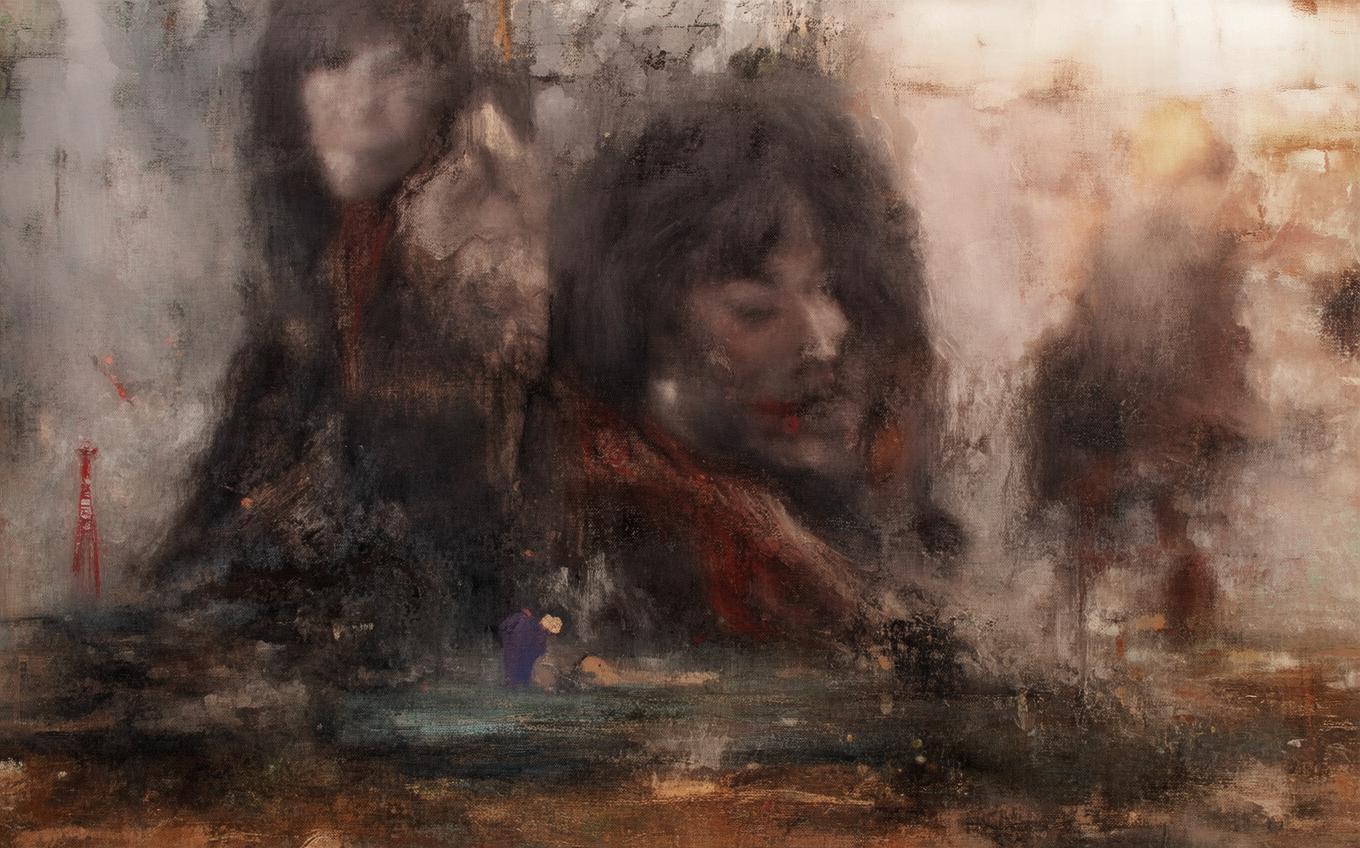
- The poem opens with a seemingly carefree young woman, unaware of the loneliness that awaits her. The word "boudoir" (闺 guī) signifies a woman's private chamber, emphasizing her sheltered life. -
"On a spring day, she adorns herself and climbs the emerald tower"
- Spring (春日 chūn rì) symbolizes renewal and joy, but here it contrasts with her growing melancholy. The "emerald tower" (翠楼 cuì lóu) suggests a place of beauty and privilege, yet also isolation. -
"Suddenly, she sees the willows by the roadside"
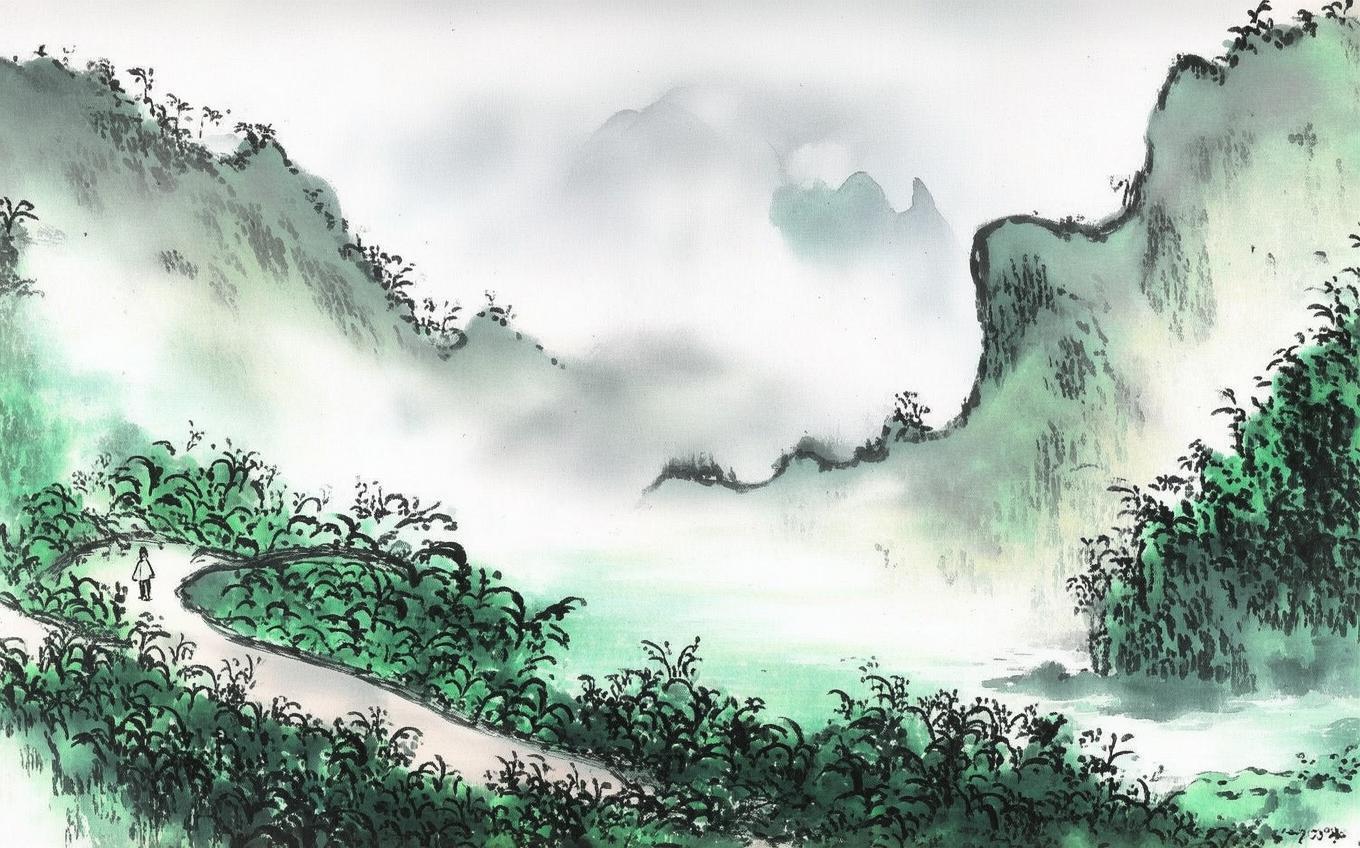
- Willows (杨柳 yángliǔ) are a traditional symbol of parting in Chinese culture (as their name sounds like "to stay" 留 liú). Their vibrant green reminds her of time passing and her husband's absence. -
"And regrets urging her husband to seek fame and rank"
- The climax reveals her regret (悔 huǐ). She once encouraged him to pursue military honors ("seek fame and rank" 觅封侯 mì fēnghóu), but now realizes the personal cost of ambition.
Themes and Symbolism
- Loneliness and Regret: The poem contrasts youthful naivety with painful awareness, showing how societal expectations (glory in war) clash with personal happiness.
- Nature as a Mirror of Emotion: The spring scenery highlights her sorrow—the willows, once a sign of vitality, now deepen her sense of loss.
- Gender and Duty: The poem critiques the Confucian ideal of male ambition, revealing the silent suffering of women left behind.
Cultural Context
During the Tang Dynasty, military service was a path to social mobility, but prolonged wars caused widespread displacement. Poems like this humanized the emotional toll on families, offering a counterpoint to heroic battlefield narratives.
The "soldier's wife" (征妇 zhēng fù) became a recurring figure in poetry, representing both personal grief and broader anti-war sentiments. Wang Changling, who served as a minor official, often wrote about the psychological effects of war, blending lyrical beauty with social commentary.
Conclusion
《闺怨》 is a masterpiece of economy and depth, capturing a lifetime of emotion in four lines. Its enduring appeal lies in its universal themes—love, loss, and the bittersweet realization of choices made. Today, it resonates as a reminder of the unseen costs of conflict and the quiet strength of those who wait.
For readers exploring Chinese poetry, this poem offers a window into Tang Dynasty society while speaking timelessly to the human heart.

Comments (0)
No comments yet. Be the first to comment!