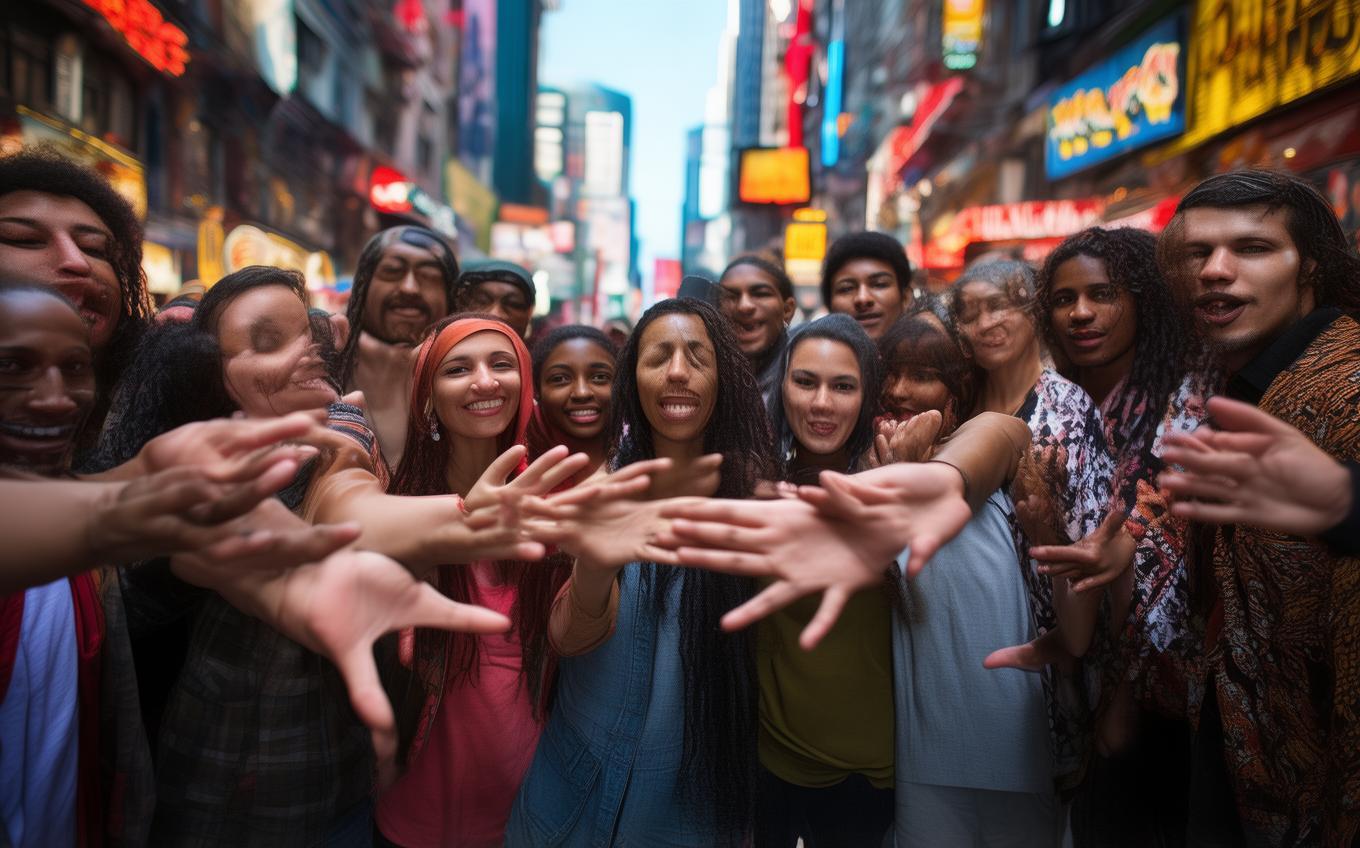
Understanding "挥手" - Chinese Word Explanation
1. Basic Information
- Word: 挥手
- Pinyin: huī shǒu
- Literal Meaning: "Wave hand" (挥 = wave; 手 = hand)
- Primary Meaning: To wave one's hand (as a greeting, farewell, or gesture).
2. In-depth Explanation
-
Context and Usage:
"挥手" is a common gesture in Chinese culture used to say hello, goodbye, or get someone's attention. It can also express dismissal or a casual acknowledgment. The motion is typically a side-to-side or up-and-down movement of the hand. Unlike in some Western cultures, exaggerated waving is less common; a small, gentle wave is often sufficient. -
Character Breakdown:
- 挥 (huī): Means "to wave," "to brandish," or "to command."
- 手 (shǒu): Means "hand." Together, the characters literally depict the action of moving one's hand.
3. Example Sentences
-
Chinese: 他微笑着向我挥手告别。
Pinyin: Tā wēixiào zhe xiàng wǒ huīshǒu gàobié.
English: He smiled and waved goodbye to me. -
Chinese: 老师在课堂上挥手示意大家安静。
Pinyin: Lǎoshī zài kètáng shàng huīshǒu shìyì dàjiā ānjìng.
English: The teacher waved his hand to signal everyone to be quiet in class. -
Chinese: 她站在车站,向远去的火车挥手。
Pinyin: Tā zhàn zài chēzhàn, xiàng yuǎn qù de huǒchē huīshǒu.
English: She stood at the station, waving at the departing train.
Cultural Notes
In China, waving is a polite and common way to greet or bid farewell, especially in informal settings. However, excessive or overly enthusiastic waving might be seen as unusual. The gesture is also used to call someone over, but the palm typically faces downward (unlike the Western palm-up gesture for beckoning).
Conclusion
"挥手" (huī shǒu) is a simple yet essential word describing the act of waving one's hand. Whether saying hello, goodbye, or signaling attention, this gesture is deeply embedded in daily Chinese communication. Remember: a small, gentle wave is often all you need!




Comments (0)
No comments yet. Be the first to comment!