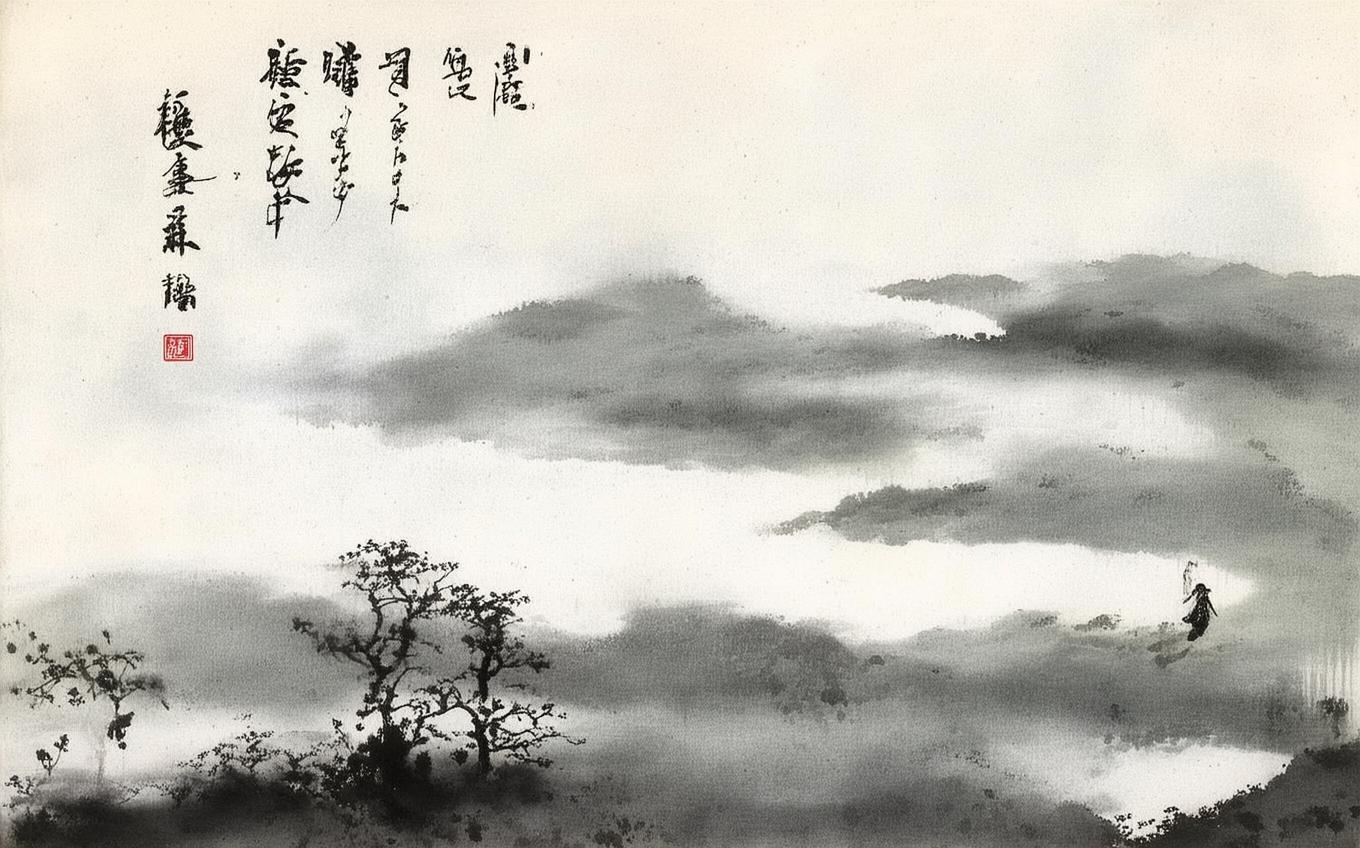
Analysis of "送蔡山人" - Classical Chinese Poetry
Introduction
"送蔡山人" (Sòng Cài Shānrén) is a farewell poem by the renowned Tang Dynasty poet Li Bai (李白, 701-762), one of China's most celebrated literary figures. Written during China's golden age of poetry, this work exemplifies Li Bai's signature romantic style and his profound connection with nature. The poem captures the bittersweet emotions of parting with a friend while reflecting the Daoist ideals of freedom and harmony with the natural world that permeated Tang Dynasty culture.
The Poem: Full Text and Translation
我本楚狂人
Wǒ běn Chǔ kuáng rén
I am by nature a madman of Chu
凤歌笑孔丘
Fèng gē xiào Kǒng Qiū
Singing phoenix songs, laughing at Confucius
手持绿玉杖
Shǒu chí lǜ yù zhàng
Holding a green jade staff
朝别黄鹤楼
Zhāo bié Huáng Hè lóu
At dawn I leave the Yellow Crane Tower
五岳寻仙不辞远
Wǔ yuè xún xiān bù cí yuǎn
Seeking immortals across five sacred mountains, undaunted by distance
一生好入名山游
Yīshēng hào rù míng shān yóu
All my life I've loved roaming famous mountains
Line-by-Line Analysis
Lines 1-2: Li Bai immediately establishes his unconventional persona by comparing himself to the "madman of Chu," a legendary figure who mocked Confucius. This bold declaration sets the tone for the poem's free-spirited nature.
Lines 3-4: The green jade staff symbolizes the poet's connection to nature and spiritual pursuits, while the Yellow Crane Tower was a famous landmark associated with transcendence and immortality in Chinese lore.
Lines 5-6: These lines reveal the poet's lifelong passion for wandering through sacred mountains in search of spiritual enlightenment. The "five sacred mountains" represent the cardinal points of Chinese geography and centers of Daoist practice.
Themes and Symbolism
Freedom and Nonconformity: The poem celebrates individuality and resistance to societal norms through the persona of the "madman" who values spiritual seeking over conventional Confucian values.
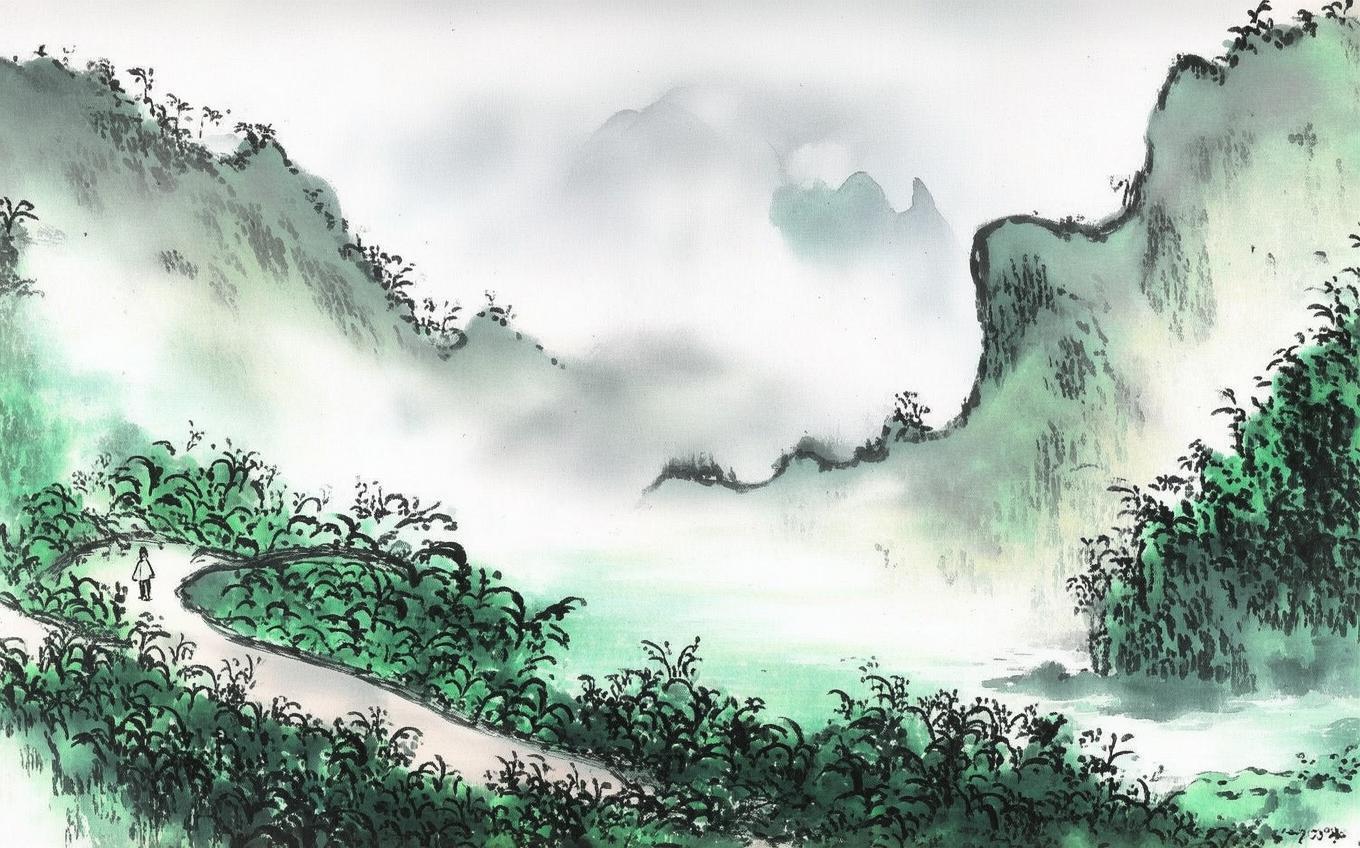
Nature as Spiritual Path: Mountains in Chinese poetry often represent places where heaven and earth meet. Li Bai's reverence for them reflects the Daoist belief in nature as a path to transcendence.
Journey and Transformation: The act of traveling symbolizes both physical movement and spiritual growth, with the poet embracing the unknown with joyful anticipation.
Cultural Context
Written during the Tang Dynasty (618-907 CE), a period of cultural flourishing, this poem reflects several important aspects of Chinese thought:
-
Daoist Influence: The pursuit of immortality and harmony with nature were central Daoist ideals that greatly influenced Tang poetry.
-
Confucian Tension: While Confucianism dominated official life, many poets like Li Bai embraced more individualistic philosophies.
-
Wandering Tradition: Scholar-officials often traveled extensively, and mountain landscapes held deep spiritual significance in Chinese culture.
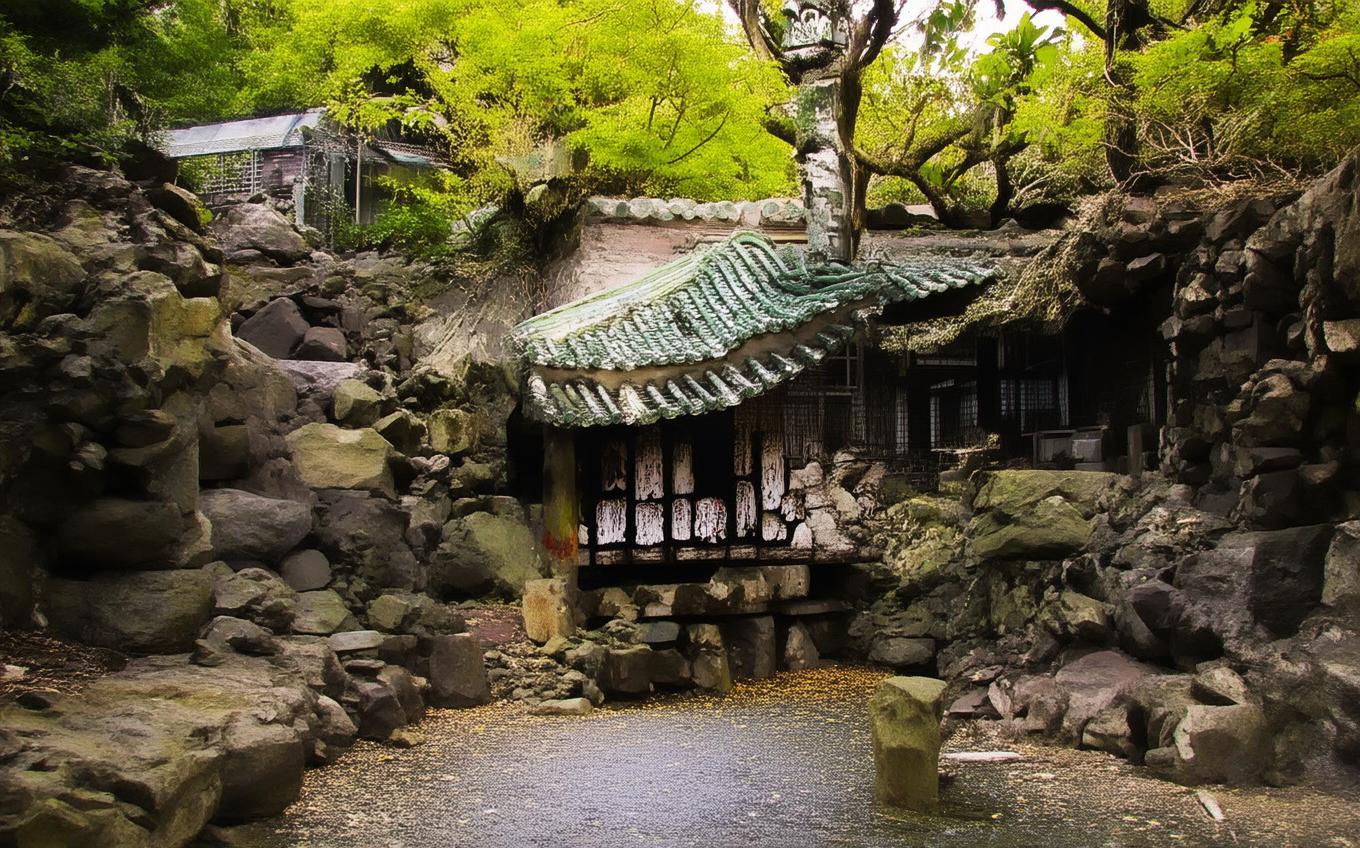
The Yellow Crane Tower mentioned in the poem was a real structure in Wuhan that became legendary through poetry, representing a place where mortals could transcend earthly existence.
Conclusion
"送蔡山人" captures the essence of Li Bai's poetic genius - his bold individualism, deep connection with nature, and mastery of lyrical expression. The poem's enduring appeal lies in its celebration of spiritual freedom and the joy of journeying without constraints.
In our modern world of schedules and obligations, Li Bai's words remind us of the timeless human yearning for unfettered exploration, both of the physical world and the inner self. The poem's vibrant imagery and philosophical depth continue to resonate across centuries and cultures, offering a window into China's rich poetic tradition.

Comments (0)
No comments yet. Be the first to comment!