Analysis of "同王昌龄送族弟襄归桂阳" - Classical Chinese Poetry
Introduction
The poem "同王昌龄送族弟襄归桂阳" ("Seeing Off My Cousin Xiang to Guiyang, with Wang Changling") was written by the renowned Tang Dynasty poet Li Bai (李白, 701–762), one of China’s most celebrated literary figures. Known as the "Immortal Poet" for his romantic and free-spirited style, Li Bai often wrote about friendship, nature, and the joys and sorrows of life.
This farewell poem reflects the deep bonds of kinship and friendship in Tang Dynasty society, where parting was a common yet emotionally charged experience. The poem blends lyrical beauty with a sense of melancholy, capturing both the natural scenery and the poet’s heartfelt emotions.
The Poem: Full Text and Translation
同王昌龄送族弟襄归桂阳
Tóng Wáng Chānglíng sòng zú dì Xiāng guī Guìyáng
Seeing Off My Cousin Xiang to Guiyang, with Wang Changling
尔家何在潇湘川
Ěr jiā hé zài Xiāo Xiāng chuān
Where is your home? By the Xiao-Xiang streams,
青莎白石长沙边
Qīng shā bái shí Chángshā biān
Where green rushes and white stones border Changsha.
昨梦江花照江日
Zuó mèng jiāng huā zhào jiāng rì
Last night I dreamed of river flowers lit by sunlight,
几枝夹岸杂红泉
Jǐ zhī jiā àn zá hóng quán
A few branches by the shore mingling with crimson springs.
今朝送汝潇湘去
Jīn zhāo sòng rǔ Xiāo Xiāng qù
This morning I send you off to Xiao-Xiang,
回首苍梧生暮烟
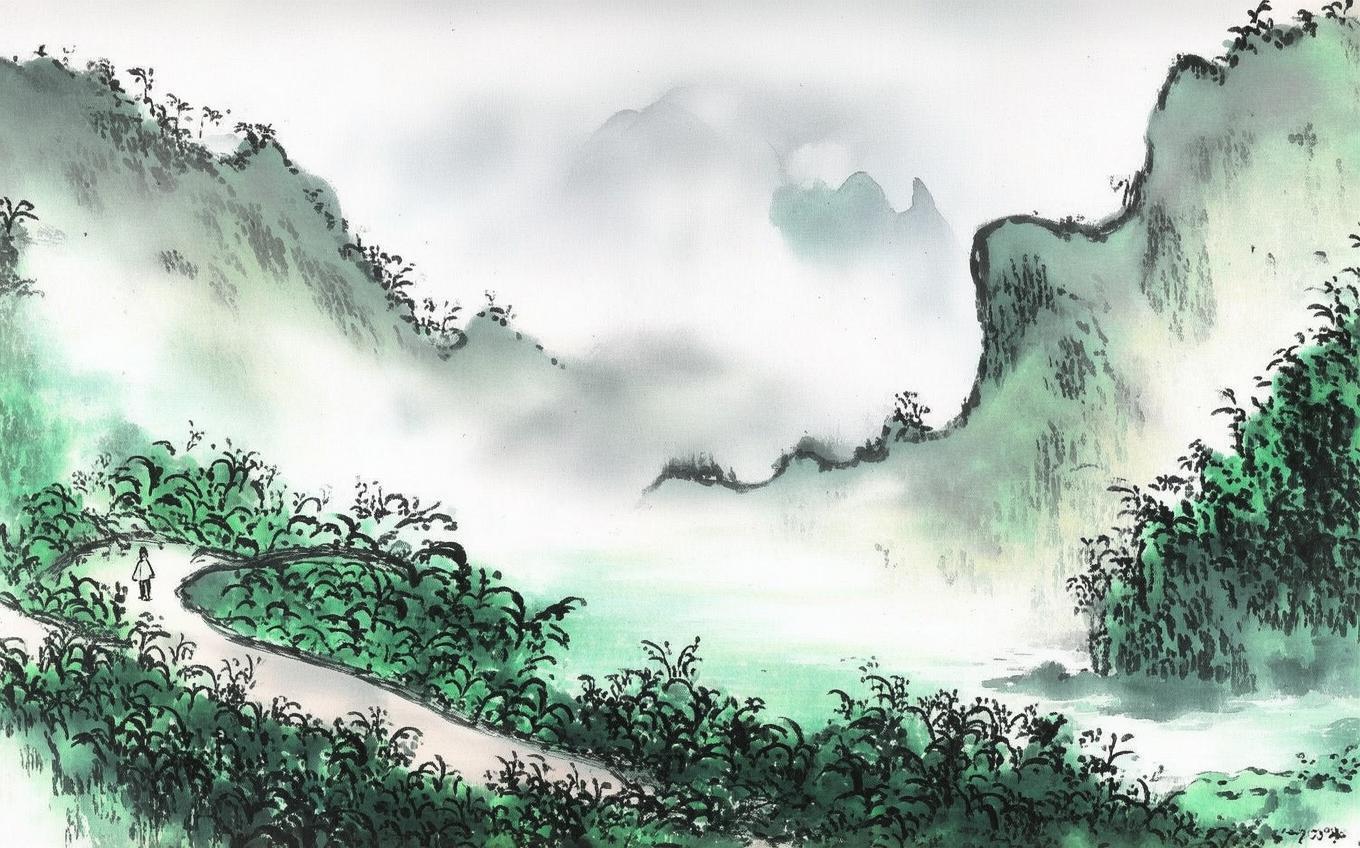
Huí shǒu cāng wú shēng mù yān
Turning back, I see dusk mist rise over Cangwu.
Line-by-Line Analysis
-
"Where is your home? By the Xiao-Xiang streams"
- The Xiao and Xiang rivers are iconic in Chinese poetry, symbolizing both beauty and sorrow. The question reflects the poet’s contemplation of his cousin’s distant homeland. -
"Where green rushes and white stones border Changsha"
- The imagery of "green rushes" and "white stones" paints a serene riverside scene, evoking a sense of purity and tranquility. -
"Last night I dreamed of river flowers lit by sunlight"
- Dreams in classical poetry often blur reality and longing. The radiant imagery suggests nostalgia and fleeting beauty. -
"A few branches by the shore mingling with crimson springs"
- The "crimson springs" may symbolize both natural beauty and emotional intensity, reinforcing the bittersweet mood. -
"This morning I send you off to Xiao-Xiang"
- The shift from dream to reality underscores the inevitability of parting. -
"Turning back, I see dusk mist rise over Cangwu"
- The "dusk mist" conveys melancholy, while "Cangwu" (a mythical mountain) adds a layer of mysticism, suggesting the unknown future.
Themes and Symbolism
- Friendship and Farewell: A central theme in Tang poetry, reflecting Confucian values of loyalty and emotional bonds.
- Nature as Emotion: The rivers, flowers, and mist mirror the poet’s inner feelings—both beauty and sorrow.
- Transience: The dream imagery and dusk mist highlight life’s fleeting moments, a common Daoist and Buddhist motif.
Cultural Context
During the Tang Dynasty, parting poems (送别诗 sòngbié shī) were a cherished literary tradition. Scholars and officials frequently traveled, making farewells emotionally significant. Li Bai’s poem exemplifies the era’s blend of personal emotion and natural symbolism, rooted in Daoist harmony and Confucian relationships.
The Xiao-Xiang region, often associated with exile and poetic inspiration, adds depth to the poem’s melancholy tone.
Conclusion
Li Bai’s "Seeing Off My Cousin Xiang to Guiyang" is a masterpiece of emotional resonance and natural imagery. Its blend of dreamlike beauty and poignant farewell captures universal human experiences—longing, memory, and the passage of time.
Today, the poem remains a testament to the enduring power of classical Chinese poetry to convey deep emotion through simplicity and elegance. Whether read for its lyrical beauty or cultural insight, it invites readers to reflect on their own connections and goodbyes.

Comments (0)
No comments yet. Be the first to comment!