Analysis of "黄葛篇" - Classical Chinese Poetry
Introduction
"黄葛篇" (Huáng Gé Piān) is a classical Chinese poem from the Han Dynasty (206 BCE–220 CE), attributed to the anonymous folk tradition of the Yuefu (乐府) poetry style. These poems were collected by the imperial Music Bureau and often reflect the lives, emotions, and struggles of common people.
This poem uses the imagery of the yellow kudzu vine (huáng gé) as a metaphor for enduring love and separation. It is a poignant example of early Chinese lyrical poetry, blending natural symbolism with deep emotional resonance.
The Poem: Full Text and Translation
黄葛生洛溪
Huáng gé shēng Luò xī
Yellow kudzu grows by the Luo River黄花自绵幂
Huáng huā zì mián mì
Its golden flowers bloom thick and lush青烟蔓长条
Qīng yān màn cháng tiáo
Green tendrils stretch like rising mist缭绕几百尺
Liáorào jǐ bǎi chǐ
Twisting and winding for hundreds of feet闺人费素手
Guī rén fèi sù shǒu
A young woman exhausts her fair hands采缉作絺绤
Cǎi jī zuò chī xì
Gathering fibers to weave fine cloth缝为绝国衣
Féng wéi jué guó yī
Sewing garments for a faraway land远寄日南客
Yuǎn jì Rì nán kè
Sent to her love in the distant south
Line-by-Line Analysis
-
Natural Imagery (Lines 1-4)
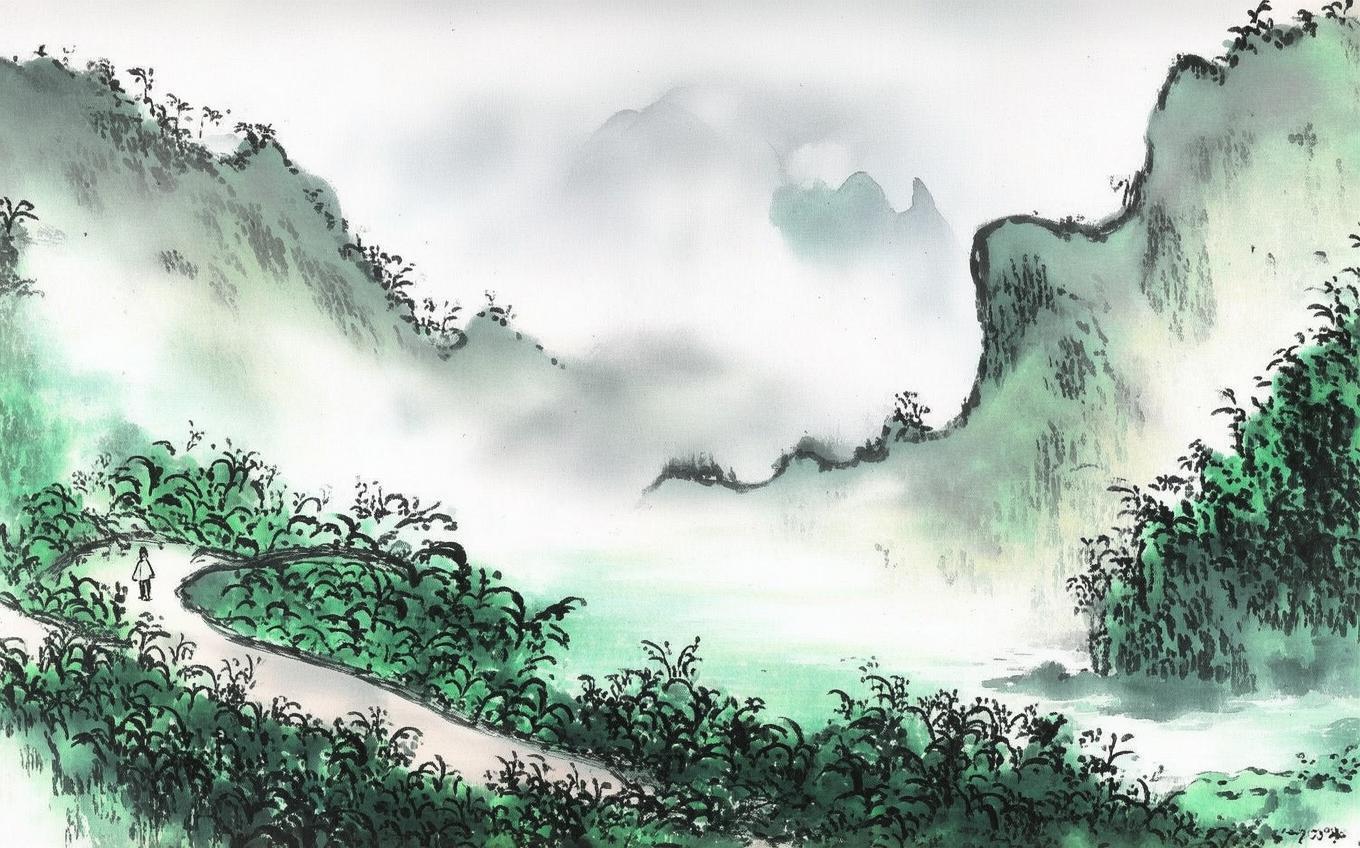
The poem opens with the kudzu vine, a hardy plant that thrives near water. Its "golden flowers" and "green tendrils" symbolize vitality and resilience. The description of its sprawling growth ("hundreds of feet") suggests both abundance and entanglement—perhaps mirroring the woman’s longing. -
Human Labor (Lines 5-6)
The "young woman" (guī rén) works diligently, her "fair hands" worn from harvesting the vine. The act of weaving (chī xì, fine and coarse cloth) reflects traditional women’s labor, but also her emotional investment. -
Separation and Love (Lines 7-8)
The "garments for a faraway land" symbolize devotion across distance. "日南客" (Rì nán kè) refers to someone exiled or traveling to the southern frontier, a common theme in Han poetry about separation.
Themes and Symbolism
- Endurance and Longing: The kudzu vine, persistent and spreading, mirrors the woman’s unwavering love despite separation.
- Labor as Love: Her weaving transforms natural material into a gift, embodying Confucian ideals of diligence and loyalty.
- Distance and Yearning: The poem captures the sorrow of bié lí (离别), the pain of parting central to Chinese literary tradition.
Cultural Context
The Han Dynasty Yuefu poems often depicted ordinary people’s lives, blending folk simplicity with lyrical depth. "黄葛篇" reflects:
- Agricultural Life: Kudzu was a practical resource for clothing, tying the poem to rural existence.
- Gender Roles: Women’s work (weaving, sewing) was both economic necessity and emotional expression.
- Frontier Separation: Many Han-era men were conscripted or posted to distant borders, making poems of longing a cultural touchstone.
Conclusion
"黄葛篇" is a quiet masterpiece of early Chinese poetry, using the humble kudzu vine to weave a tale of love, labor, and resilience. Its themes of separation and devotion remain universal, offering a window into the emotional world of ancient China. For modern readers, it’s a reminder of how nature and human feeling intertwine across time and culture.
Final Thought: The poem’s power lies in its simplicity—a vine, a woman’s hands, a distant lover—yet it speaks volumes about the enduring human heart.

Comments (0)
No comments yet. Be the first to comment!