
Analysis of "山人劝酒" - Classical Chinese Poetry
Introduction
The poem "山人劝酒" (Shān Rén Quàn Jiǔ, "The Hermit Offers Wine") is a famous work by the Tang Dynasty poet Li Bai (李白, 701–762), one of China's most celebrated literary figures. Known as the "Immortal Poet," Li Bai was a master of romantic and exuberant verse, often blending Daoist philosophy with vivid natural imagery.
This poem reflects the Tang Dynasty's golden age of poetry, where themes of reclusion, nature, and the joys of drinking were common. "山人劝酒" captures the carefree spirit of a hermit offering wine to a guest, embodying the Daoist ideal of harmony with nature and the fleeting pleasures of life.
The Poem: Full Text and Translation
山人劝酒
Shān rén quàn jiǔ
The Hermit Offers Wine苍苍云松
Cāng cāng yún sōng
Lush, lush, the cloud-wreathed pines,落落绮皓
Luò luò qǐ hào
Noble and lofty, the virtuous hermits.春风尔来为阿谁
Chūn fēng ěr lái wèi ā shuí
Spring breeze, for whom do you come?蝴蝶忽然满芳草
Hú dié hū rán mǎn fāng cǎo
Suddenly, butterflies fill the fragrant grass.秀眉霜雪颜桃花
Xiù méi shuāng xuě yán táo huā
Snow-white brows, a face like peach blossoms,骨青髓绿长美好
Gǔ qīng suǐ lǜ cháng měi hǎo
Bones of jade, marrow of emerald—eternal youth.称是秦时避世人
Chēng shì Qín shí bì shì rén
They say they fled the world in Qin times,劝酒相欢不知老
Quàn jiǔ xiāng huān bù zhī lǎo
Offering wine in joy, untouched by age.
Line-by-Line Analysis
-
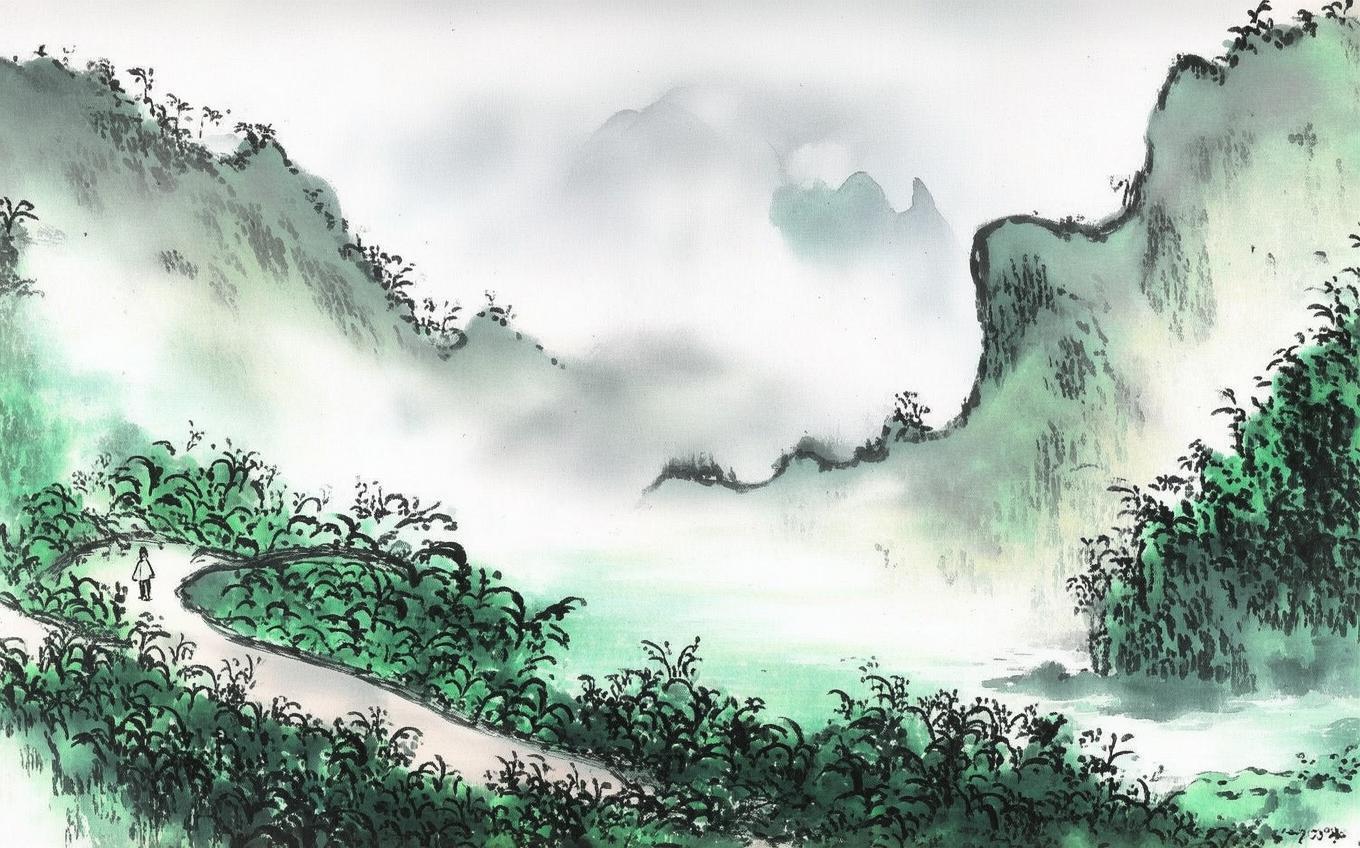
"Lush, lush, the cloud-wreathed pines" – The poem opens with an image of towering pines shrouded in mist, symbolizing the hermit’s secluded, eternal world.
-
"Noble and lofty, the virtuous hermits" – The "hermits" (qǐ hào) refer to legendary sages who withdrew from society, embodying wisdom and purity.
-
"Spring breeze, for whom do you come?" – A rhetorical question personifying nature, suggesting the hermit lives in harmony with the seasons.
-
"Suddenly, butterflies fill the fragrant grass" – The sudden burst of butterflies evokes spontaneity and the beauty of the natural world.
-
"Snow-white brows, a face like peach blossoms" – The hermit’s appearance blends youth (peach blossoms) and wisdom (white brows), a Daoist ideal of ageless vitality.
-
"Bones of jade, marrow of emerald—eternal youth" – Jade and emerald symbolize immortality, a recurring theme in Li Bai’s Daoist-inspired poetry.
-
"They say they fled the world in Qin times" – The Qin Dynasty (221–206 BCE) was a time of tyranny; the hermits represent those who rejected worldly power.
-
"Offering wine in joy, untouched by age" – The poem concludes with the hermit’s invitation to drink, celebrating timeless joy beyond mortal concerns.
Themes and Symbolism
- Nature and Reclusion – The hermit’s life in the mountains reflects the Daoist ideal of escaping societal constraints to live in harmony with nature.
- Immortality and Timelessness – Symbols like jade, peach blossoms, and the ageless hermit evoke the pursuit of eternal life, a key Daoist theme.
- Joy in Transience – The poem embraces fleeting pleasures (wine, spring breezes) as a way to transcend the passage of time.
Cultural Context
During the Tang Dynasty, many poets admired reclusive figures who embodied Daoist principles. Li Bai himself wandered the land, seeking spiritual freedom. "山人劝酒" reflects this cultural reverence for hermits as symbols of purity and wisdom. The poem also highlights the Tang Dynasty’s love for wine as a metaphor for liberation from worldly cares.
Conclusion
"山人劝酒" is a radiant example of Li Bai’s ability to blend natural beauty, philosophical depth, and exuberant joy. Its depiction of the hermit’s timeless world invites readers to savor life’s simple pleasures and seek harmony with nature. Even today, the poem resonates as a celebration of freedom, friendship, and the eternal spirit of the wild.
For those exploring Chinese poetry, Li Bai’s work offers a gateway to understanding the Daoist ideals that shaped China’s literary and cultural heritage.

Comments (0)
No comments yet. Be the first to comment!