Analysis of "白头吟" - Classical Chinese Poetry
Introduction
The poem 白头吟 (Bái Tóu Yín, "Song of White Hair") is a famous work attributed to Zhuo Wenjun (卓文君), a talented poetess from the Western Han Dynasty (206 BCE–9 CE). The poem is deeply rooted in Chinese literary tradition and is often associated with themes of love, betrayal, and resilience.
Zhuo Wenjun was known for her intelligence and literary skill, and her poetry reflects the emotional depth and societal expectations of women during her time. 白头吟 is particularly significant as it captures the pain of a woman facing her husband's infidelity, yet it also conveys a strong sense of self-respect and dignity.
The Poem: Full Text and Translation
皑如山上雪,皎若云间月。
Ái rú shān shàng xuě, jiǎo ruò yún jiān yuè.
Pure as mountain snow, bright as the moon between clouds.闻君有两意,故来相决绝。
Wén jūn yǒu liǎng yì, gù lái xiāng juéjué.
Hearing you have a divided heart, I come to sever our ties.今日斗酒会,明旦沟水头。
Jīnrì dǒu jiǔ huì, míngdàn gōu shuǐ tóu.
Today we share a cup of wine, tomorrow we part by the ditch’s flow.躞蹀御沟上,沟水东西流。
Xièdié yù gōu shàng, gōu shuǐ dōngxī liú.
Strolling by the imperial canal, its waters flow east and west.凄凄复凄凄,嫁娶不须啼。
Qīqī fù qīqī, jià qǔ bù xū tí.
Sorrow upon sorrow—marriage needs no tears.愿得一心人,白头不相离。
Yuàn dé yīxīn rén, bái tóu bù xiāng lí.
I only wish for a devoted heart, to stay together till white-haired.
Line-by-Line Analysis
-
"Pure as mountain snow, bright as the moon between clouds."
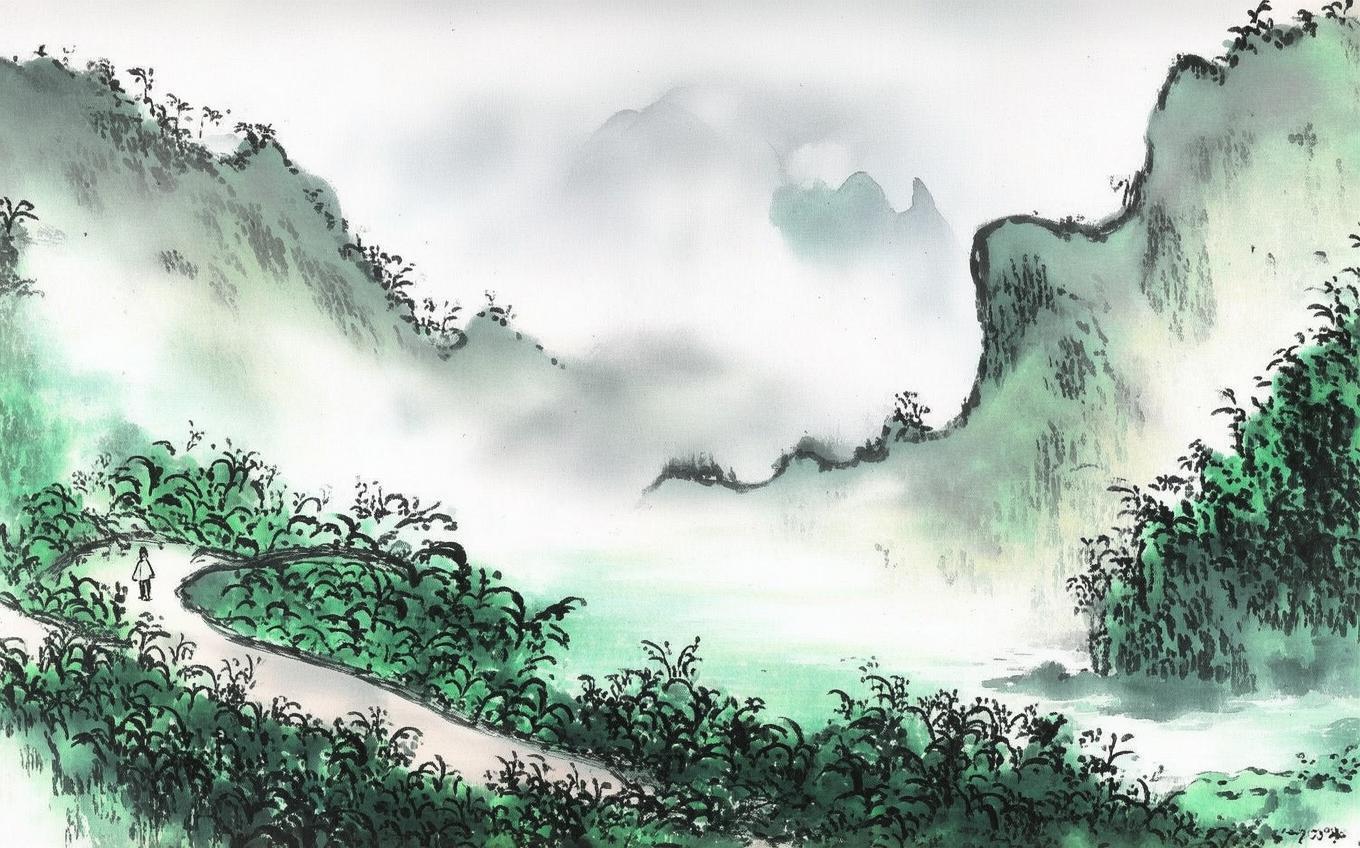
- The opening lines use natural imagery to symbolize purity and clarity. The speaker compares her love to pristine snow and the luminous moon, suggesting an ideal that has been betrayed. -
"Hearing you have a divided heart, I come to sever our ties."
- The tone shifts sharply—she confronts her partner’s infidelity directly and chooses to end the relationship rather than endure betrayal. -
"Today we share a cup of wine, tomorrow we part by the ditch’s flow."
- A metaphor for the fleeting nature of their bond. The "ditch’s flow" suggests an inevitable separation, like water that cannot be held back. -
"Strolling by the imperial canal, its waters flow east and west."
- The divided flow of water mirrors the separation of two lovers, emphasizing irreversible change. -
"Sorrow upon sorrow—marriage needs no tears."
- A resigned yet dignified statement. She implies that true love should not require suffering, criticizing the pain caused by unfaithfulness. -
"I only wish for a devoted heart, to stay together till white-haired."
- The closing lines express her deepest desire: a loyal partner who will remain with her until old age.
Themes and Symbolism
- Betrayal and Dignity: The poem explores heartbreak but also asserts self-worth—choosing to leave rather than accept disloyalty.
- Nature Imagery: Snow, the moon, and flowing water symbolize purity, transience, and inevitable change.
- Ideal Love: The final wish for a "devoted heart" reflects Confucian values of loyalty and enduring commitment in relationships.
Cultural Context
During the Han Dynasty, women had limited social power, yet Zhuo Wenjun’s poem demonstrates remarkable agency. Her decision to reject an unfaithful husband was bold for her time. The poem also aligns with traditional Chinese ideals of báitóu xiélǎo (白头偕老, "growing old together"), emphasizing lifelong fidelity.
Conclusion
白头吟 remains a timeless reflection on love, integrity, and resilience. Its emotional depth and elegant imagery continue to resonate, offering a powerful message about self-respect and the true meaning of devotion. Even today, the poem speaks to universal human experiences—love’s joys, betrayals, and the hope for a steadfast partner.
For readers exploring classical Chinese poetry, 白头吟 is a profound example of how ancient verses still echo with modern relevance.


Comments (0)
No comments yet. Be the first to comment!