
Analysis of "哭晁卿衡" - Classical Chinese Poetry
Introduction
The poem 哭晁卿衡 (Kū Cháo Qīng Héng, "Lament for Chao Qingheng") was written by the renowned Tang Dynasty poet Li Bai (李白, 701–762). It mourns the death of Abe no Nakamaro (晁衡, Cháo Héng), a Japanese scholar and official who served in the Tang court and became a close friend of Li Bai. The poem reflects the deep cultural exchanges between China and Japan during the Tang Dynasty and Li Bai’s grief over losing a dear friend.
The Poem: Full Text and Translation
日本晁卿辞帝都
Rìběn Cháo Qīng cí dìdū
Our Japanese friend, Lord Chao, departs the imperial capital征帆一片绕蓬壶
Zhēng fān yīpiàn rào pénghú
His lone sail circles the mythical Penglai Isles明月不归沉碧海
Míngyuè bù guī chén bìhǎi
The bright moon sinks into the azure sea, never to return白云愁色满苍梧
Báiyún chóu sè mǎn cāngwú
White clouds, heavy with sorrow, veil the distant mountains
Line-by-Line Analysis
-
"日本晁卿辞帝都" – The opening line introduces Abe no Nakamaro (Chao Qingheng) as a respected Japanese scholar leaving the Tang capital (Chang’an). The phrase 辞帝都 ("departs the imperial capital") suggests both a physical and symbolic farewell.
-
"征帆一片绕蓬壶" – The lone sail symbolizes Chao’s solitary journey, while Penglai Isles (蓬壶) represent the mythical Eastern paradise, hinting at his untimely death at sea.
-
"明月不归沉碧海" – Li Bai compares Chao to the bright moon, a classical Chinese metaphor for purity and brilliance. The imagery of the moon sinking into the sea conveys irreversible loss.
-
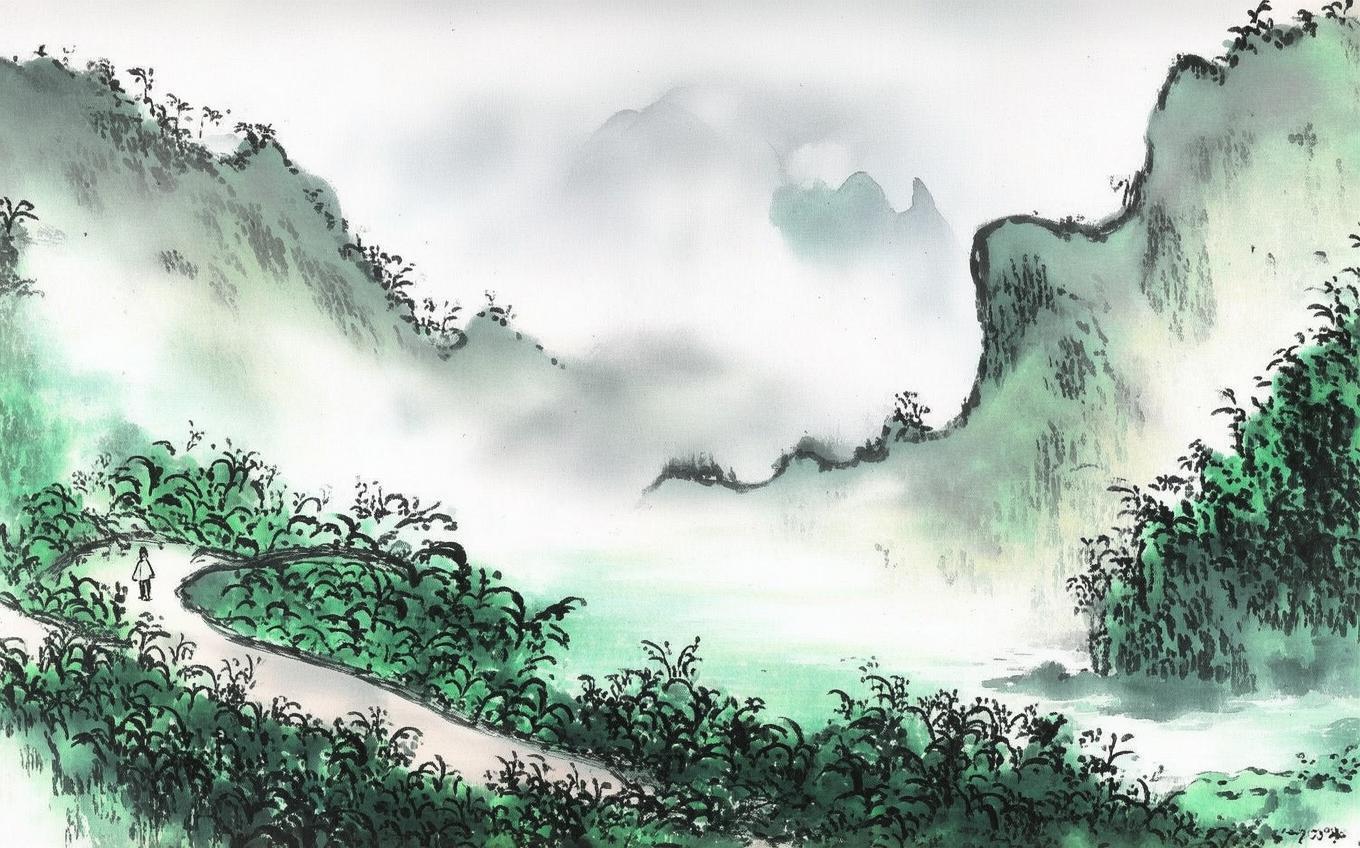
"白云愁色满苍梧" – The white clouds and distant mountains (苍梧) reflect the poet’s grief, as nature itself seems to mourn. The word 愁 ("sorrow") deepens the emotional weight.
Themes and Symbolism
- Friendship and Loss: The poem is a poignant lament, emphasizing the deep bond between Li Bai and his foreign friend.
- Transience of Life: The sinking moon symbolizes the fragility of human existence.
- Nature’s Mourning: Clouds and mountains mirror the poet’s sorrow, blending emotion with landscape—a hallmark of Tang poetry.
Cultural Context
During the Tang Dynasty, China was a cosmopolitan empire, welcoming scholars like Abe no Nakamaro from Japan. This poem exemplifies the cultural and diplomatic ties of the era. Li Bai’s grief transcends nationality, highlighting the universal nature of human connection.
Conclusion
哭晁卿衡 is a masterpiece of elegiac poetry, blending personal sorrow with cosmic imagery. Its themes of friendship, impermanence, and shared humanity remain deeply moving today. Through Li Bai’s words, we glimpse the Tang Dynasty’s openness and the timeless power of poetry to bridge cultures.

Comments (0)
No comments yet. Be the first to comment!