Analysis of "苏台览古" - Classical Chinese Poetry
Introduction
"苏台览古" (Sū Tái Lǎn Gǔ, "Viewing Ancient Remains at Su Terrace") is a poignant poem by the renowned Tang Dynasty poet Li Bai (李白, 701–762). Known as the "Immortal Poet," Li Bai was a central figure in China's golden age of poetry, celebrated for his romanticism, vivid imagery, and emotional depth.
This poem reflects on the ruins of the Su Terrace, a once-magnificent palace complex built by King Fuchai of Wu during the Spring and Autumn Period (770–476 BCE). Through evocative imagery, Li Bai contrasts the fleeting nature of human glory with the enduring presence of nature, a recurring theme in classical Chinese poetry.
The Poem: Full Text and Translation
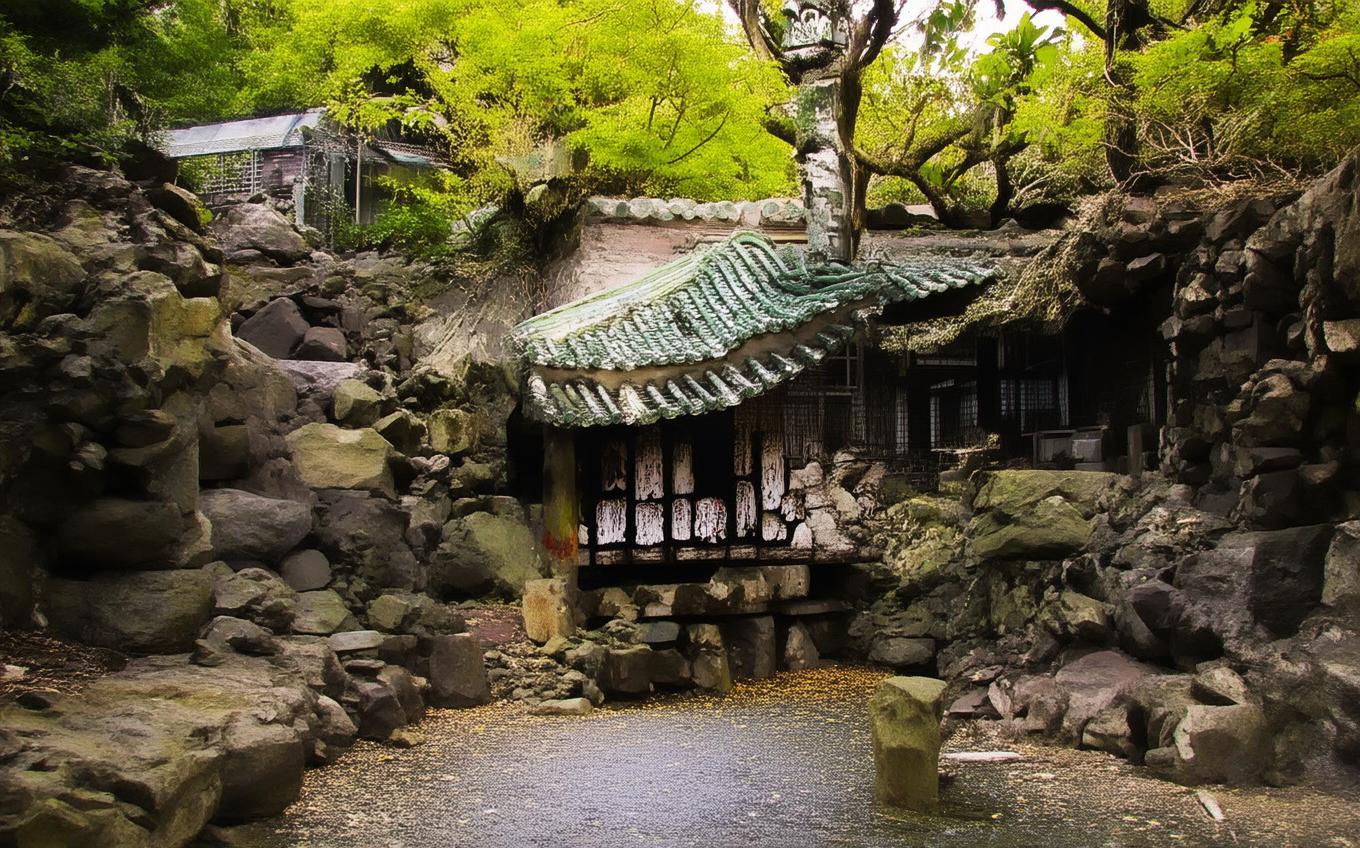
旧苑荒台杨柳新
Jiù yuàn huāng tái yáng liǔ xīn
The old garden, the ruined terrace—only willow trees are fresh and new.
菱歌清唱不胜春
Líng gē qīng chàng bù shèng chūn
The songs of water chestnut gatherers cannot outshine the beauty of spring.
只今惟有西江月
Zhǐ jīn wéi yǒu xī jiāng yuè
Now, only the moon over the western river remains,
曾照吴王宫里人
Céng zhào wú wáng gōng lǐ rén
The same moon that once shone on the people of King Wu’s palace.
Line-by-Line Analysis
-
"The old garden, the ruined terrace—only willow trees are fresh and new."
- The poem opens with a stark contrast: the decay of human constructions (the "old garden" and "ruined terrace") versus the vitality of nature (the "new" willow trees). The willows symbolize resilience and renewal, outlasting human endeavors. -
"The songs of water chestnut gatherers cannot outshine the beauty of spring."
- The "songs" represent the simple, enduring life of common people, yet even their joy pales in comparison to the overwhelming beauty of spring. This line underscores the insignificance of human activities against nature’s grandeur. -
"Now, only the moon over the western river remains..."
- The moon is a timeless symbol in Chinese poetry, often representing constancy and reflection. Here, it serves as a silent witness to history, unchanged by the rise and fall of dynasties. -
"...The same moon that once shone on the people of King Wu’s palace."
- The closing line evokes nostalgia, linking the present moment to the past. The moon connects the poet’s era to the bygone splendor of King Wu’s court, emphasizing the transience of power and glory.
Themes and Symbolism
- Transience vs. Permanence: The poem contrasts the ephemeral nature of human achievements (the ruined terrace) with the eternal cycles of nature (the moon, willows, and spring).
- Reflection on History: Li Bai meditates on the passage of time, using the Su Terrace as a symbol of lost grandeur.
- The Moon as a Witness: The moon serves as a bridge between past and present, a common motif in Chinese poetry symbolizing continuity and memory.
Cultural Context
The Su Terrace was part of the extravagant palace complex built by King Fuchai of Wu, who was later defeated by the Yue Kingdom. The terrace became a symbol of the inevitable decline of even the most powerful rulers.
Li Bai’s poem reflects the Daoist and Confucian ideals of harmony with nature and the moral lesson that pride and excess lead to downfall. The Tang Dynasty, though prosperous, was also marked by political turmoil, making reflections on historical decline particularly resonant.
Conclusion
"苏台览古" is a masterful meditation on time, memory, and the fleeting nature of human glory. Through simple yet profound imagery, Li Bai invites readers to contemplate the cycles of history and the enduring beauty of the natural world.
Today, the poem remains relevant as a reminder of humility and the importance of finding meaning beyond material achievements. Its quiet elegance and deep philosophical undertones continue to captivate readers across cultures and centuries.

Comments (0)
No comments yet. Be the first to comment!