Analysis of "单刀会·新水令" - Classical Chinese Poetry
Introduction
"单刀会·新水令" (Dān Dāo Huì·Xīn Shuǐ Lìng) is a famous aria from the Yuan dynasty opera The Meeting of the Single Sword (单刀会), written by the renowned playwright Guan Hanqing (关汉卿, c. 1241–1320). Guan Hanqing is celebrated as one of the "Four Great Yuan Playwrights" and a master of zaju (杂剧), a form of musical theater popular during the Yuan dynasty.
This aria is sung by the legendary general Guan Yu (关羽), a historical figure immortalized in Romance of the Three Kingdoms. The poem captures Guan Yu's bravery, loyalty, and unwavering resolve as he attends a treacherous banquet hosted by his rival, armed only with his single sword. The piece is a powerful exploration of heroism and moral integrity, deeply rooted in Chinese cultural values.
The Poem: Full Text and Translation
大江东去浪千叠
Dà jiāng dōng qù làng qiān dié
The great river flows east, waves piled a thousandfold,引着这数十人驾着这小舟一叶
Yǐn zhe zhè shù shí rén jià zhe zhè xiǎo zhōu yī yè
Guiding these few men aboard this single leaf of a boat.又不比九重龙凤阙
Yòu bù bǐ jiǔ chóng lóng fèng què
This is no nine-tiered dragon-phoenix palace,可正是千丈虎狼穴
Kě zhèng shì qiān zhàng hǔ láng xué
But truly a den of tigers and wolves, deep and perilous.大丈夫心烈
Dà zhàngfū xīn liè
A true man’s heart burns fierce,我觑这单刀会似赛村社
Wǒ qù zhè dān dāo huì sì sài cūn shè
I regard this "Single Sword Meeting" as but a village contest.
Line-by-Line Analysis
-
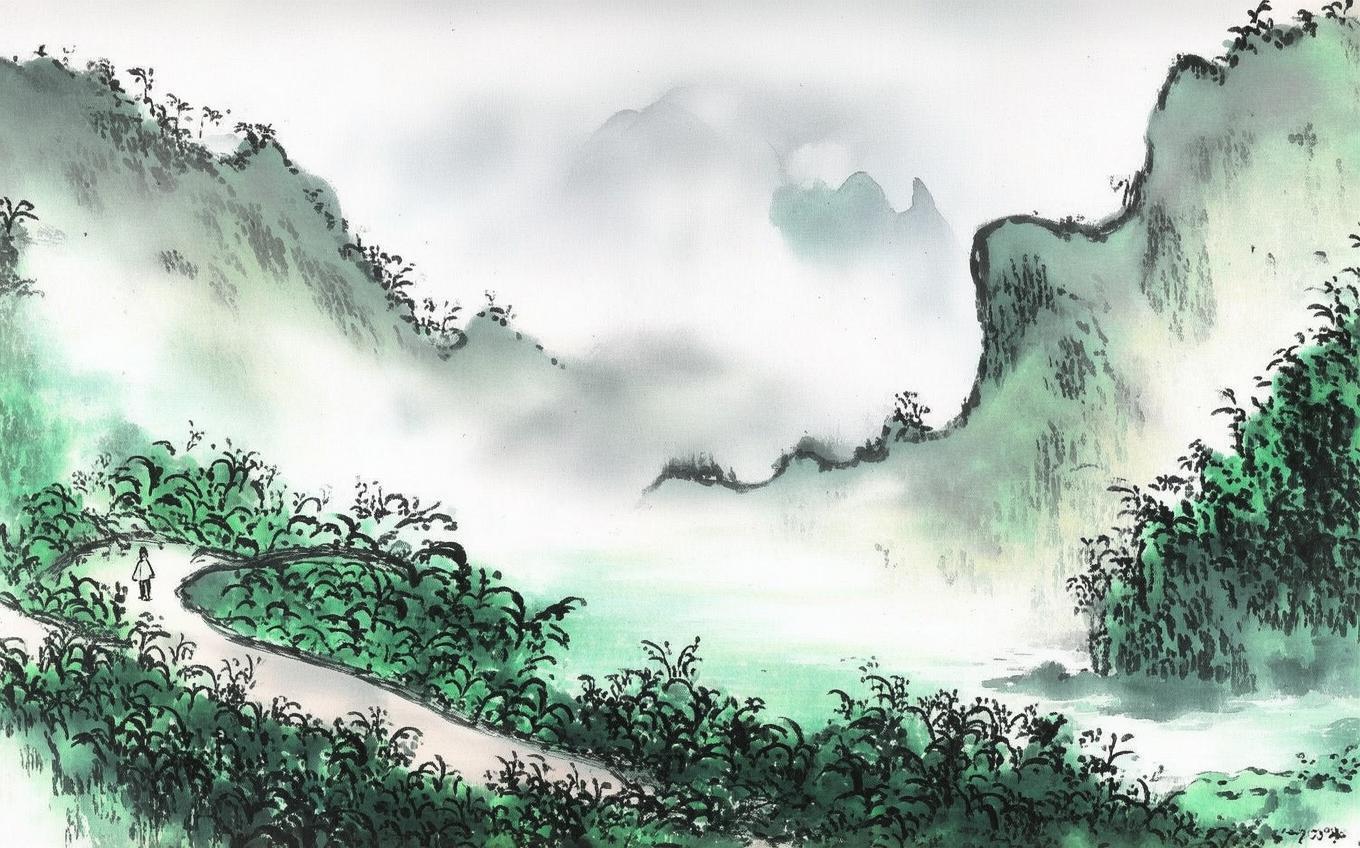
"The great river flows east, waves piled a thousandfold"
- The Yangtze River symbolizes the passage of time and the unstoppable force of nature. The "thousandfold waves" suggest both danger and grandeur, mirroring Guan Yu’s formidable presence. -
"Guiding these few men aboard this single leaf of a boat"
- The "single leaf" metaphor emphasizes vulnerability, contrasting with Guan Yu’s confidence. Despite being outnumbered, he remains undaunted. -
"This is no nine-tiered dragon-phoenix palace"
- The "dragon-phoenix palace" represents imperial safety and honor. Guan Yu dismisses the idea that he is in a place of respect—instead, he is walking into a trap. -
"But truly a den of tigers and wolves, deep and perilous"
- The "tigers and wolves" symbolize his enemies, highlighting the treachery he faces. Yet, he speaks with disdain, showing his fearlessness. -
"A true man’s heart burns fierce"
- This line embodies the Confucian ideal of yi (义, righteousness). Guan Yu’s courage comes from his moral conviction, not brute strength. -
"I regard this 'Single Sword Meeting' as but a village contest"
- Guan Yu downplays the danger, comparing the high-stakes meeting to a simple village game. This reflects his supreme confidence and warrior’s pride.
Themes and Symbolism
- Heroism and Loyalty – Guan Yu’s willingness to face danger alone exemplifies the Chinese ideal of the loyal warrior (忠义, zhōngyì).
- Nature as a Mirror – The river and waves mirror Guan Yu’s unyielding spirit, a common motif in Chinese poetry.
- Contrast of Strength and Vulnerability – The small boat versus the vast river underscores Guan Yu’s defiance against overwhelming odds.
Cultural Context
Guan Yu is a cultural icon in China, revered for his loyalty and martial prowess. Historically, he was a general serving under Liu Bei during the Three Kingdoms period (220–280 AD). Later, he was deified as Guandi, the God of War.
This aria reflects the Yuan dynasty’s fascination with heroic tales, blending historical narrative with poetic expression. Guan Hanqing’s work also critiques political treachery, a subtle nod to the turbulent Yuan era.
Conclusion
"单刀会·新水令" is a masterpiece of dramatic poetry, capturing Guan Yu’s indomitable spirit through vivid imagery and bold declarations. Its themes of courage, loyalty, and moral fortitude resonate across centuries, offering timeless lessons on integrity and resilience. For modern readers, the poem is not just a historical artifact but a stirring reminder of the power of conviction in the face of adversity.
Whether you approach it as literature, history, or philosophy, this aria remains a shining example of China’s rich cultural heritage.

Comments (0)
No comments yet. Be the first to comment!