Analysis of "题李凝幽居" - Classical Chinese Poetry
Introduction
The poem "题李凝幽居" (Tí Lǐ Níng Yōu Jū), or "Inscribed on Li Ning's Secluded Dwelling," was written by the Tang Dynasty poet Jia Dao (贾岛, 779–843 AD). Jia Dao was a Buddhist monk-turned-poet known for his meticulous craftsmanship and introspective style. His works often reflect a deep appreciation for solitude, nature, and the quiet beauty of reclusive life.
This poem is a masterpiece of "landscape and recluse poetry" (山水田园诗), a genre that celebrates harmony with nature and the virtues of a simple, contemplative existence. It is admired for its serene imagery, precise language, and philosophical depth.
The Poem: Full Text and Translation
闲居少邻并
Xián jū shǎo lín bìng
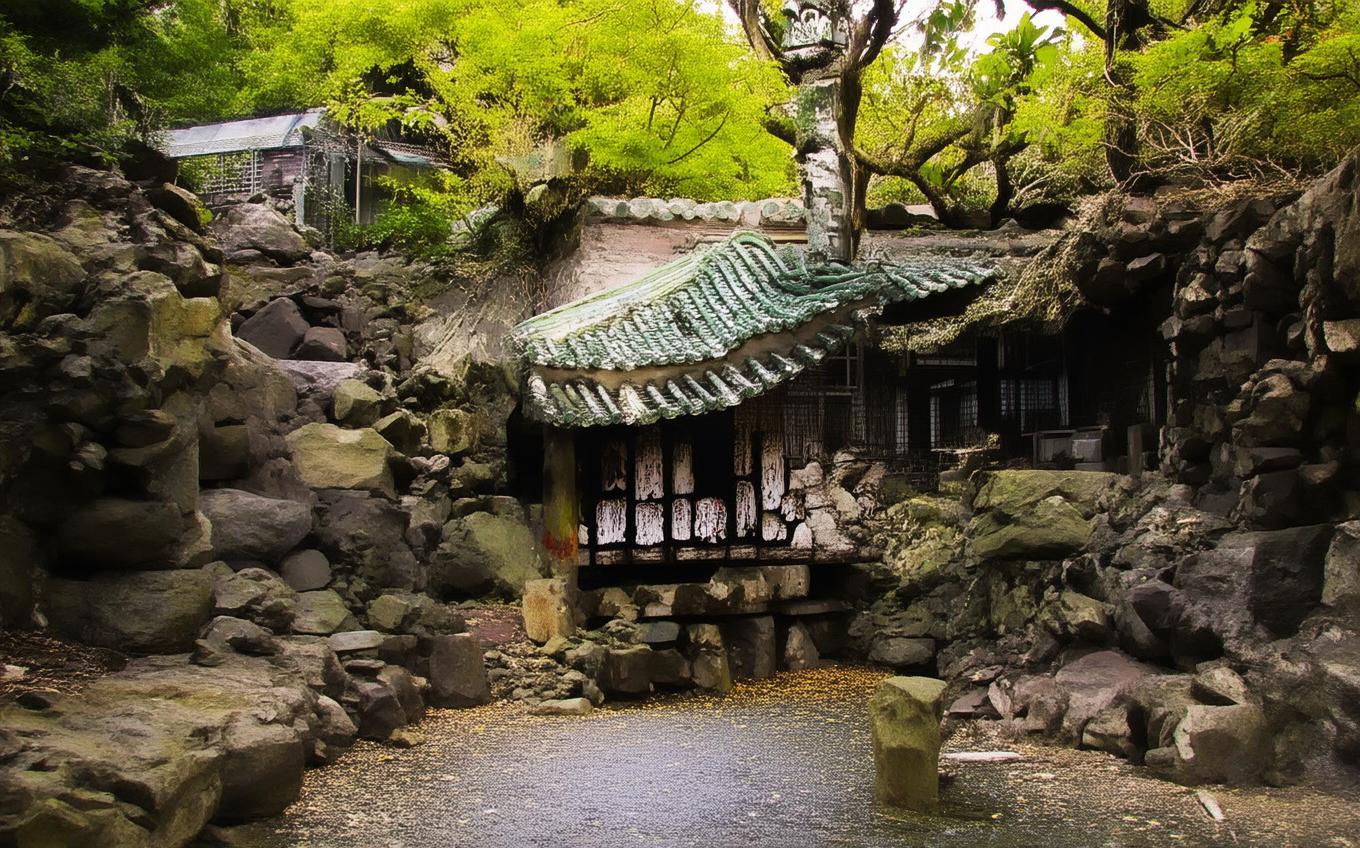
A quiet dwelling, few neighbors around,草径入荒园
Cǎo jìng rù huāng yuán
A grassy path leads to a wild garden.鸟宿池边树
Niǎo sù chí biān shù
Birds roost in trees by the pond,僧敲月下门
Sēng qiāo yuè xià mén
A monk knocks on the gate under moonlight.过桥分野色
Guò qiáo fēn yě sè
Crossing the bridge, the wild scenery divides,移石动云根
Yí shí dòng yún gēn
Moving rocks stir the roots of clouds.暂去还来此
Zàn qù hái lái cǐ
Though I leave for now, I’ll return,幽期不负言
Yōu qī bù fù yán
Keeping my promise to this secluded retreat.
Line-by-Line Analysis
-
"A quiet dwelling, few neighbors around"
- The opening sets the tone of solitude, emphasizing Li Ning’s reclusive lifestyle. The word "少邻并" (few neighbors) suggests a deliberate withdrawal from society. -
"A grassy path leads to a wild garden"
- The overgrown path symbolizes a return to nature, untouched by human interference. -
"Birds roost in trees by the pond"
- A tranquil image of harmony between wildlife and environment, reinforcing the peacefulness of the scene. -
"A monk knocks on the gate under moonlight"
- This line is famous in Chinese literary history. Jia Dao famously hesitated between using "敲" (knock) or "推" (push)—a debate known as "推敲" (tuī qiāo), now a term for careful word choice. The soft sound of knocking adds to the poem’s meditative mood. -
"Crossing the bridge, the wild scenery divides"
- The bridge acts as a transition point, separating the human world from the untouched wilderness. -
"Moving rocks stir the roots of clouds"
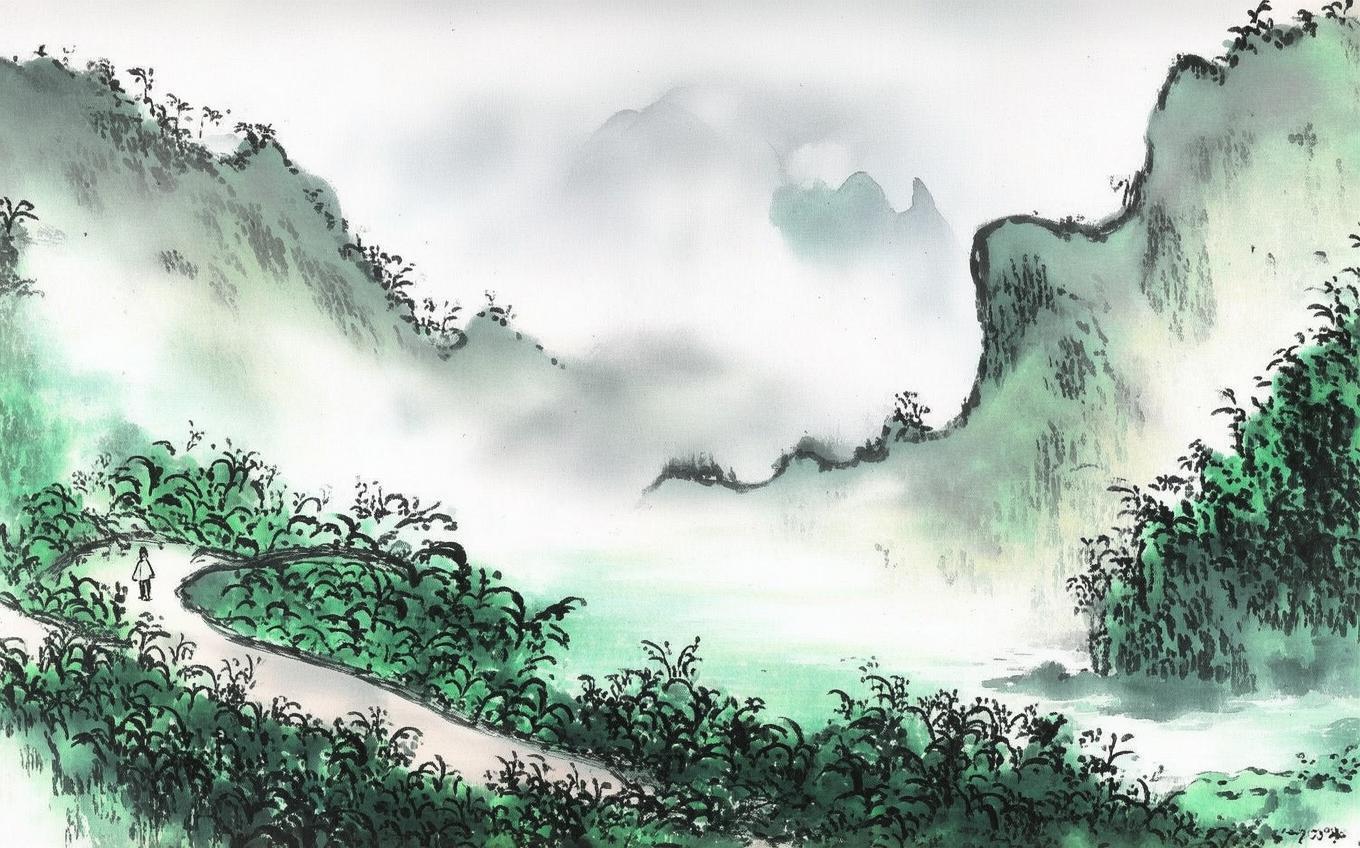
- A surreal image where nature is animated—clouds seem rooted in the earth, blurring the line between sky and land.
7-8. "Though I leave for now, I’ll return, keeping my promise to this secluded retreat."
- The poet expresses longing and commitment to the tranquility of Li Ning’s home, highlighting the appeal of a hermit’s life.
Themes and Symbolism
-
Solitude and Reclusion
- The poem idealizes a life away from societal noise, embodying the Daoist and Buddhist appreciation for inner peace. -
Nature as a Spiritual Refuge
- The wild garden, birds, and clouds symbolize freedom and harmony, contrasting with the constraints of urban life. -
The Moonlight’s Symbolism
- The moon represents clarity, enlightenment, and the passage of time—common motifs in Tang poetry.
Cultural Context
- Tang Dynasty Poetry: Jia Dao was part of the "Bitter吟派" (Kǔyín Pài, "Bitter Recitation School"), poets known for laboring over each word.
- Recluse Culture: Many scholars and poets in ancient China retreated to nature to escape political turmoil, seeking moral purity.
- Influence of Buddhism: Jia Dao’s monastic background is reflected in the poem’s meditative stillness and detachment.
Conclusion
"Inscribed on Li Ning's Secluded Dwelling" is a masterpiece of understated beauty, capturing the essence of tranquility in just a few lines. Its imagery of moonlight, birds, and wild gardens invites readers to pause and reflect—an enduring message in today’s fast-paced world.
Jia Dao’s poem reminds us that true peace is found not in noise, but in the quiet moments where nature and the soul meet.
Would you choose to "knock" or "push" the door of such a serene life? The answer, like the poem, lingers in contemplation.

Comments (0)
No comments yet. Be the first to comment!