
Analysis of "渔家傲·秋思" - Classical Chinese Poetry
Introduction
"渔家傲·秋思" (Yú Jiā Ào · Qiū Sī, "Pride of Fishermen · Autumn Thoughts") is a famous cí (词) poem written by Fan Zhongyan (范仲淹, 989–1052), a prominent statesman, military strategist, and literary figure of the Northern Song Dynasty. This poem reflects the hardships of frontier life and the deep longing for home experienced by soldiers stationed in remote regions.
Fan Zhongyan is best known for his moral integrity and his famous saying, "先天下之忧而忧,后天下之乐而乐" ("Be concerned about the world’s troubles before others, and enjoy the world’s pleasures after others"). "渔家傲·秋思" is one of the earliest cí poems to depict the harsh realities of military life, blending personal emotion with patriotic sentiment.
The Poem: Full Text and Translation
塞下秋来风景异
Sài xià qiū lái fēngjǐng yì
Autumn comes to the frontier, the scenery turns strange,衡阳雁去无留意
Héngyáng yàn qù wú liúyì
Wild geese fly toward Hengyang without a backward glance.四面边声连角起
Sìmiàn biān shēng lián jiǎo qǐ
From all sides, border sounds blend with the horn’s call.千嶂里
Qiān zhàng lǐ
Amid a thousand peaks,长烟落日孤城闭
Cháng yān luòrì gū chéng bì
Long smoke, setting sun—a lone city shuts its gates.浊酒一杯家万里
Zhuó jiǔ yī bēi jiā wàn lǐ
A cup of coarse wine, home ten thousand miles away,燕然未勒归无计
Yānrán wèi lèi guī wú jì
The Yanran Mountain unmarked—no plan to return yet.羌管悠悠霜满地
Qiāng guǎn yōuyōu shuāng mǎn dì
The Qiang flute’s mournful tune, frost covering the ground,人不寐
Rén bù mèi
Sleepless,将军白发征夫泪
Jiāngjūn bái fà zhēng fū lèi
The general’s hair turns white, the soldiers shed tears.
Line-by-Line Analysis
-
"Autumn comes to the frontier, the scenery turns strange"
- The poem opens with a stark observation of the desolate frontier landscape in autumn, emphasizing its unfamiliar and harsh nature. -
"Wild geese fly toward Hengyang without a backward glance"
- Wild geese symbolize migration and homecoming, but here they leave without hesitation, contrasting with the soldiers who cannot return. -
"From all sides, border sounds blend with the horn’s call"
- The sounds of war (horns, horses, wind) create an atmosphere of tension and isolation. -
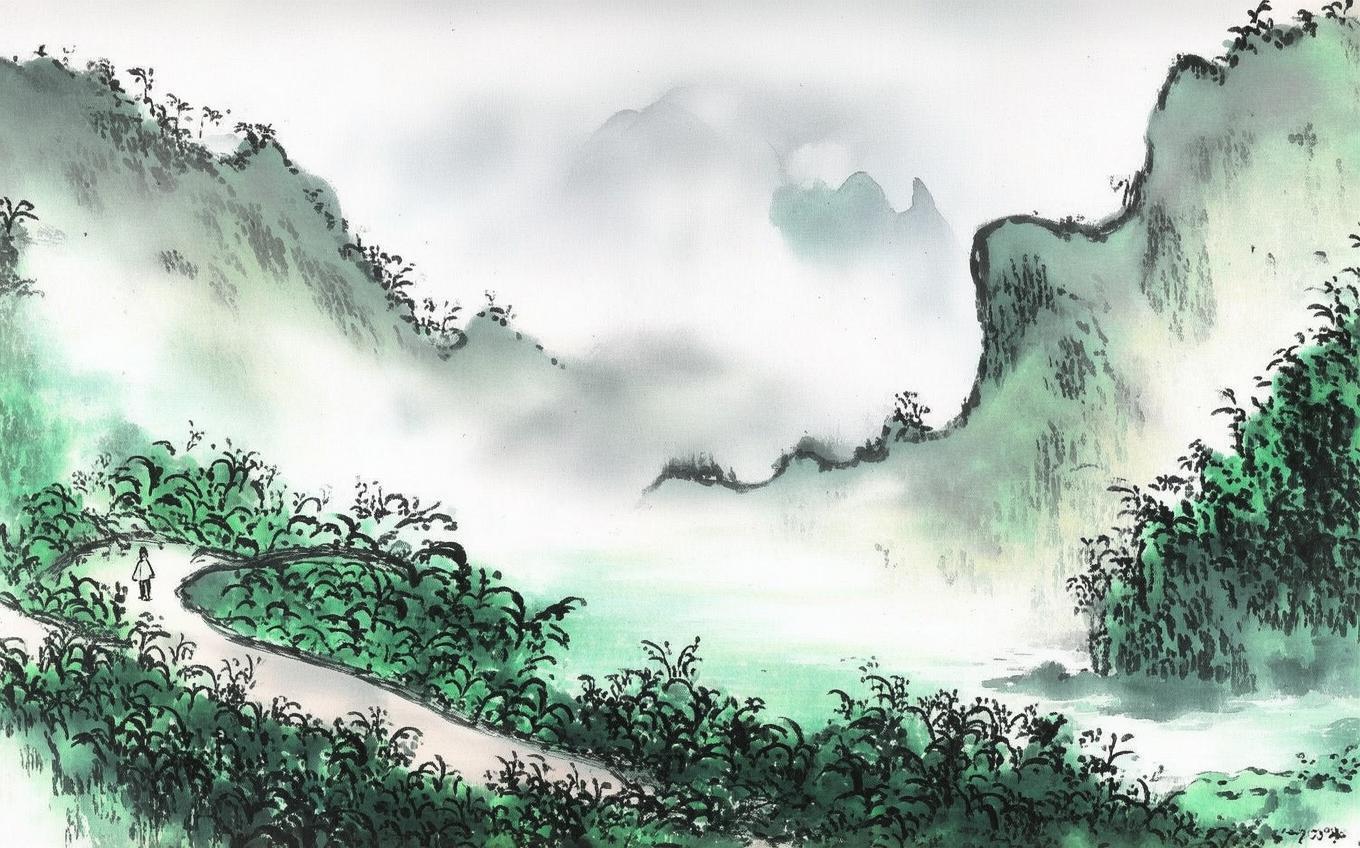
"Amid a thousand peaks, long smoke, setting sun—a lone city shuts its gates"
- The imagery of towering mountains, smoke, and a closing city gate conveys a sense of confinement and impending danger. -
"A cup of coarse wine, home ten thousand miles away"
- The soldiers drink cheap wine to numb their homesickness, emphasizing their emotional and physical distance from home. -
"The Yanran Mountain unmarked—no plan to return yet"
- A reference to an ancient victory monument (Yanran Mountain), suggesting the soldiers' duty is unfulfilled, delaying their return. -
"The Qiang flute’s mournful tune, frost covering the ground"
- The Qiang flute, a traditional instrument of frontier tribes, adds to the melancholy, while frost symbolizes the coldness of war and time passing. -
"Sleepless, the general’s hair turns white, the soldiers shed tears"
- The final lines depict exhaustion and sorrow—both the general and his men are worn down by endless warfare.
Themes and Symbolism
-
Loneliness and Homesickness
- The poem conveys deep longing for home, heightened by the desolate frontier setting. -
Patriotism and Duty
- Despite their suffering, the soldiers remain bound by duty, reflecting Confucian ideals of loyalty and sacrifice. -
Nature as a Reflection of Emotion
- The harsh autumn landscape mirrors the soldiers’ inner turmoil. -
Symbols
- Wild geese: Freedom and unattainable homecoming.
- Frost and smoke: Transience and hardship.
- Closed city gates: Isolation and danger.
Cultural Context
Fan Zhongyan wrote this poem while overseeing the Song Dynasty’s northwestern defenses against the Western Xia. Unlike earlier cí poetry, which often focused on romance or courtly themes, this work depicts the grim reality of military life, marking a shift in the genre.
The poem also reflects Confucian values—enduring hardship for the greater good—while subtly critiquing the human cost of war.
Conclusion
"渔家傲·秋思" is a masterpiece of emotional depth and vivid imagery, capturing the sorrow and resilience of soldiers far from home. Its themes of duty, sacrifice, and longing remain universal, resonating across cultures and centuries.
For modern readers, the poem serves as a poignant reminder of the personal toll of conflict—and the enduring human desire for peace and belonging.
"A cup of coarse wine, home ten thousand miles away"—these words still echo with the timeless ache of separation and hope.

Comments (0)
No comments yet. Be the first to comment!