Analysis of "终南别业" - Classical Chinese Poetry
Introduction
"终南别业" (Zhōngnán Biéyè, "My Retreat at Mount Zhongnan") is a famous poem by Wang Wei (王维), one of the most celebrated poets of the Tang Dynasty (618–907 AD). Known for his Buddhist-influenced, meditative style, Wang Wei was a master of landscape poetry, blending natural imagery with philosophical reflection.
This poem captures the poet’s tranquil life in his mountain retreat, embodying the Daoist and Buddhist ideals of harmony with nature and detachment from worldly concerns. It remains a beloved example of classical Chinese poetry, admired for its simplicity, depth, and spiritual resonance.
The Poem: Full Text and Translation
中岁颇好道
Zhōng suì pō hào dào
In middle age, I grew quite fond of the Way,晚家南山陲
Wǎn jiā Nánshān chuí
And made my home by the southern mountain’s edge.兴来每独往
Xìng lái měi dú wǎng
When the mood strikes, I often wander alone,胜事空自知
Shèng shì kōng zì zhī
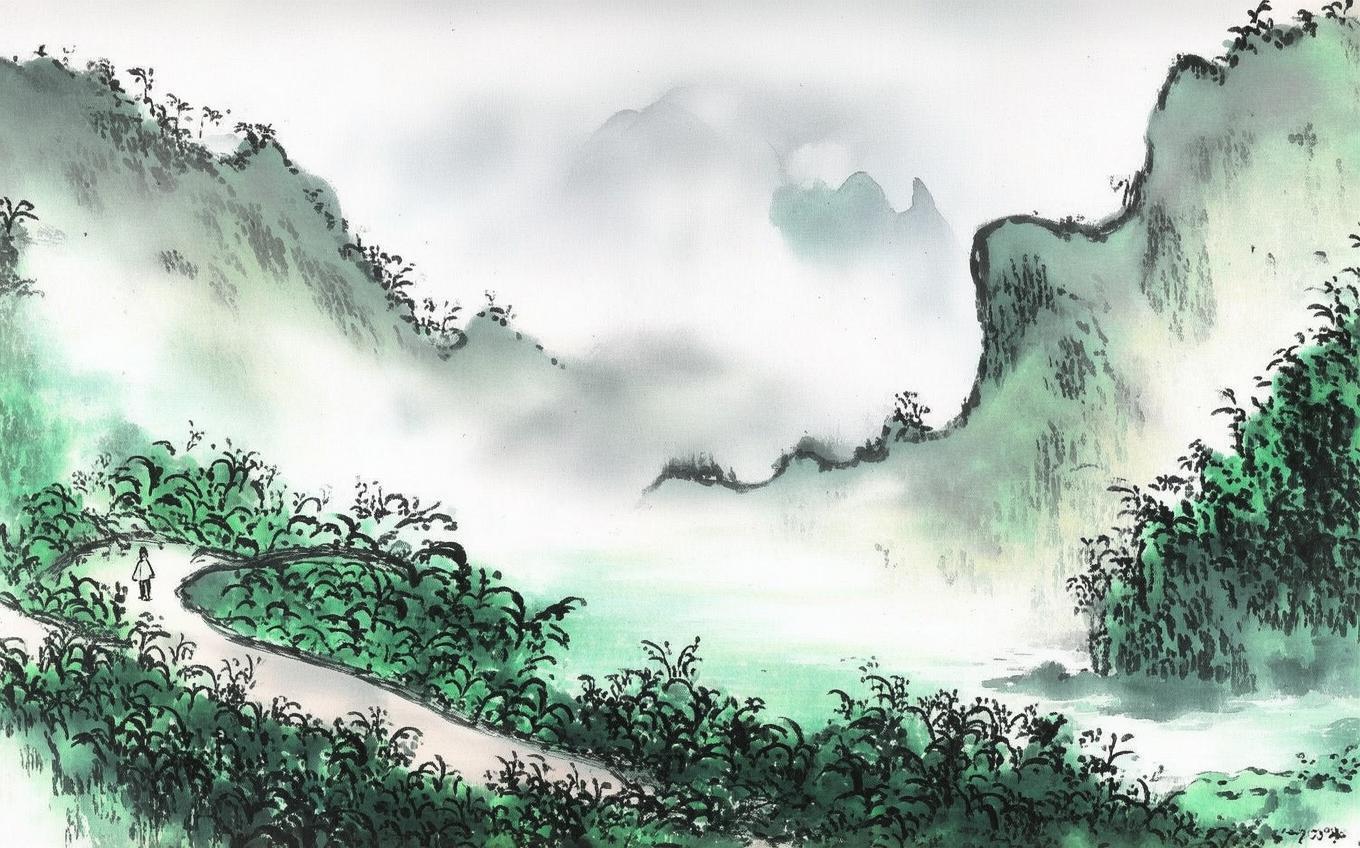
My joyful moments known only to myself.行到水穷处
Xíng dào shuǐ qióng chù
I walk until the stream’s source ends,坐看云起时
Zuò kàn yún qǐ shí
Then sit and watch the clouds arise.偶然值林叟
Ǒurán zhí lín sǒu
By chance, I meet an old woodsman,谈笑无还期
Tán xiào wú huán qī
We chat and laugh—no thought of returning.
Line-by-Line Analysis
-
"In middle age, I grew quite fond of the Way"
- The "Way" (dào) refers to Daoist and Buddhist philosophies, suggesting spiritual awakening.
- Wang Wei’s shift from official life to reclusion reflects a common theme in Tang poetry. -
"And made my home by the southern mountain’s edge"
- Mount Zhongnan was a retreat for hermits and scholars, symbolizing escape from worldly chaos. -
"When the mood strikes, I often wander alone"
- The poet’s solitary walks emphasize self-sufficiency and freedom. -
"My joyful moments known only to myself"
- The word kōng ("empty" or "only") hints at Buddhist detachment—joy is internal, not for show. -
"I walk until the stream’s source ends"
- A metaphor for following intuition to its natural conclusion, without forced goals. -
"Then sit and watch the clouds arise"
- Clouds symbolize impermanence and the beauty of the present moment. -
"By chance, I meet an old woodsman"
- The woodsman represents simplicity and harmony with nature. -
"We chat and laugh—no thought of returning"
- Time loses meaning in spontaneous, joyful connection—a Daoist ideal.
Themes and Symbolism
1. Harmony with Nature
The poem embodies wúwéi (无为, "effortless action"), where the poet moves with natural rhythms, not against them.
2. Spiritual Solitude
Wang Wei’s solitude is not loneliness but a mindful state, free from social constraints.
3. Impermanence and Presence
The "clouds" and "stream" reflect Buddhist teachings on transience, urging appreciation of the now.
Cultural Context
-
Tang Dynasty Reclusion Culture
Many scholars retreated to mountains to escape political turmoil, seeking peace in nature. -
Buddhist and Daoist Influence
Wang Wei’s poetry often merges Zen Buddhism’s mindfulness with Daoist naturalism. -
Literary Legacy
This poem influenced later "rivers-and-mountains" poetry, celebrating quietude over ambition.
Conclusion
"终南别业" is a masterpiece of understated wisdom, capturing the joy of solitude and the art of being present. Its themes—simplicity, spiritual freedom, and unity with nature—remain universal, offering solace in today’s fast-paced world.
As Wang Wei reminds us, sometimes the deepest happiness lies not in reaching a destination, but in pausing to watch the clouds drift by.

Comments (0)
No comments yet. Be the first to comment!