Analysis of "山行" by Du Mu - Classical Chinese Poetry
Introduction
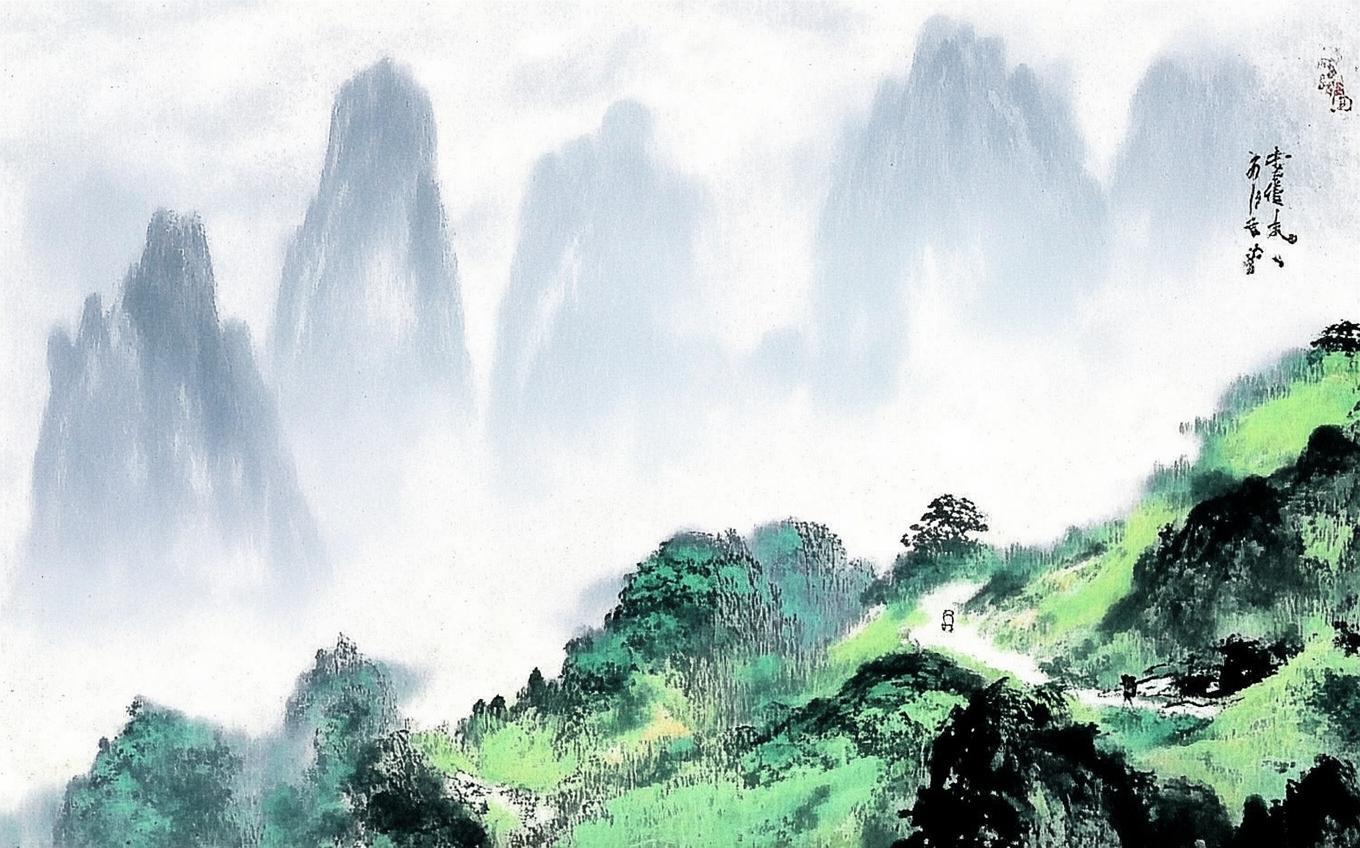
Du Mu (803–852) was a prominent poet of the late Tang Dynasty, known for his lyrical and evocative style. "山行" ("Mountain Journey") is one of his most celebrated works, capturing the serene beauty of autumn in the mountains. The poem reflects the Tang Dynasty's deep appreciation for nature and the Daoist ideal of harmony between humans and the natural world.
The Poem: Full Text and Translation
远上寒山石径斜
Yuǎn shàng hán shān shí jìng xié
Ascending far up the cold mountain, the stone path slopes白云生处有人家
Bái yún shēng chù yǒu rén jiā
Where white clouds rise, there dwells a household停车坐爱枫林晚
Tíng chē zuò ài fēng lín wǎn
I halt my carriage, enchanted by maple woods at dusk霜叶红于二月花
Shuāng yè hóng yú èr yuè huā
Frost-touched leaves redder than February flowers
Line-by-Line Analysis
-
"Ascending far up the cold mountain, the stone path slopes"
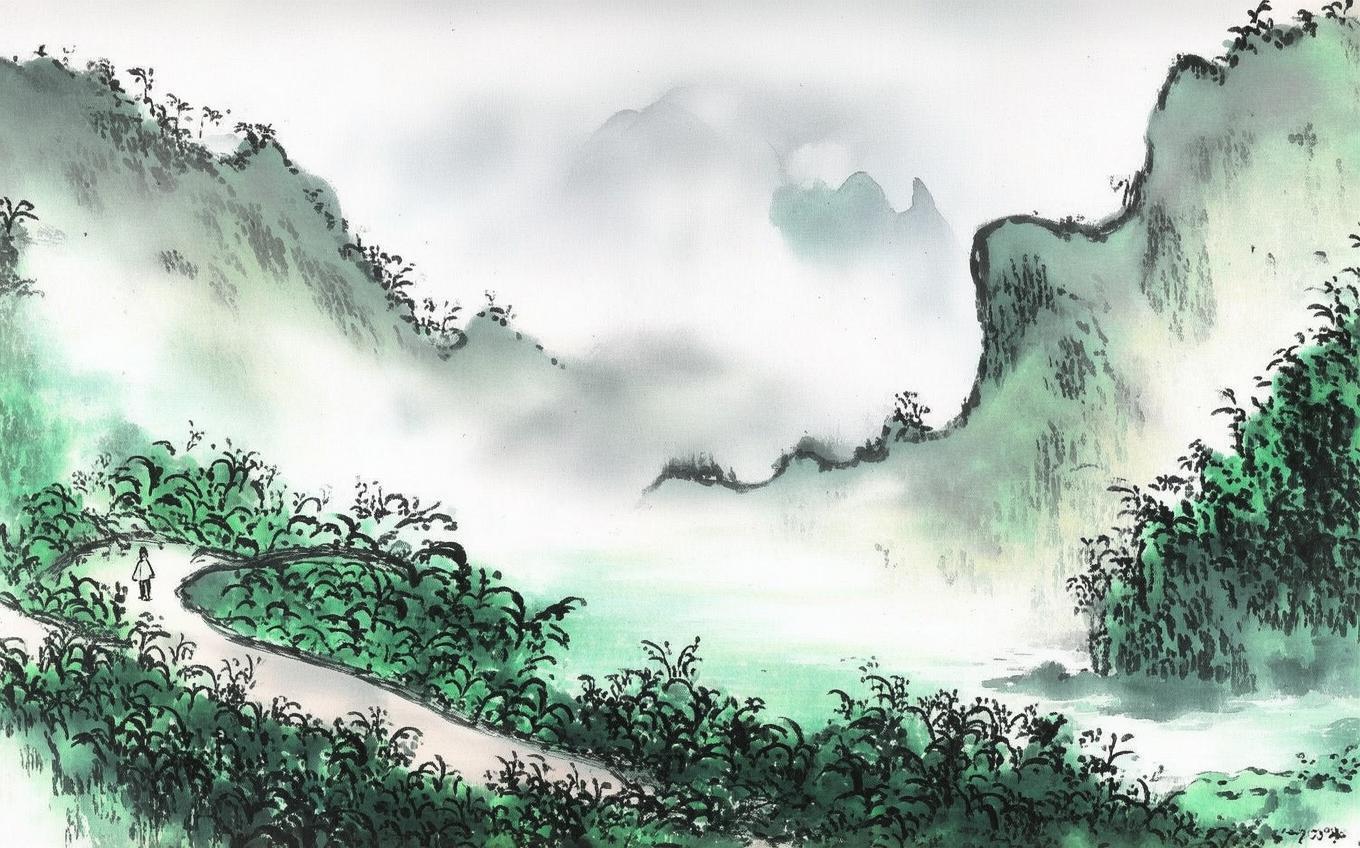
- The opening line sets the scene: a winding mountain path, suggesting solitude and quiet contemplation. The word "cold" (寒 hán) evokes autumn’s crisp air. -
"Where white clouds rise, there dwells a household"
- The image of a home nestled among clouds conveys a sense of secluded tranquility, blending human presence with the natural landscape. -
"I halt my carriage, enchanted by maple woods at dusk"
- The poet pauses his journey, captivated by the beauty of the forest. The verb "坐爱" (zuò ài, "sit and love") implies deep admiration. -
"Frost-touched leaves redder than February flowers"
- The striking comparison between autumn leaves and spring flowers suggests that decay can be as vibrant as renewal—a poignant reflection on impermanence.
Themes and Symbolism
- Nature’s Beauty: The poem celebrates autumn’s fleeting splendor, contrasting the vivid red leaves with the coming winter.
- Transience: The maple leaves symbolize the passage of time, echoing Daoist and Buddhist ideas of change.
- Solitude and Reflection: The mountain journey represents a retreat from worldly concerns, a common theme in Chinese literati poetry.
Cultural Context
During the Tang Dynasty, poets often sought inspiration in nature to express philosophical or emotional truths. Du Mu’s work reflects the era’s aesthetic ideals—simplicity, spontaneity, and emotional depth. The poem also aligns with the Chinese tradition of "landscape poetry" (山水诗 shānshuǐ shī), where natural scenery serves as a mirror for the poet’s inner world.
Conclusion
"山行" is a masterpiece of understated elegance, blending vivid imagery with profound contemplation. Its depiction of autumn’s beauty reminds readers to cherish fleeting moments—a timeless message that resonates across cultures. For modern audiences, the poem offers a meditative escape into nature’s quiet grandeur.
Would you like a deeper dive into Du Mu’s other works or comparisons with Western nature poetry? Let me know how I can further illuminate Chinese literary treasures for you!

Comments (0)
No comments yet. Be the first to comment!