
Analysis of "客至" - Classical Chinese Poetry
Introduction
"客至" (Kè Zhì, "A Guest Arrives") is a famous poem by the Tang Dynasty poet Du Fu (杜甫, 712–770), one of China's greatest literary figures. Written during a period of personal hardship, this poem reflects Du Fu's warm hospitality and simple joys amid difficult times. It stands out for its sincerity, vivid imagery, and subtle emotional depth, offering readers a glimpse into Tang Dynasty rural life and Confucian values of friendship and humility.
The Poem: Full Text and Translation
客至
Kè Zhì
A Guest Arrives
舍南舍北皆春水
Shě nán shě běi jiē chūn shuǐ
North and south of my cottage, spring waters surround;但见群鸥日日来
Dàn jiàn qún ōu rì rì lái
Only flocks of gulls come by day after day.花径不曾缘客扫
Huā jìng bù céng yuán kè sǎo
The flower-lined path has not been swept for guests;蓬门今始为君开
Péng mén jīn shǐ wèi jūn kāi
My wicker gate opens now just for you.盘飧市远无兼味
Pán sūn shì yuǎn wú jiān wèi
The market's far—my dishes are simple and few;樽酒家贫只旧醅
Zūn jiǔ jiā pín zhǐ jiù pēi
My home is poor—only old wine to share.肯与邻翁相对饮
Kěn yǔ lín wēng xiāng duì yǐn
If you don’t mind, let’s call my old neighbor over—隔篱呼取尽余杯
Gé lí hū qǔ jìn yú bēi
Across the fence, we’ll drink the last drops together.
Line-by-Line Analysis
-
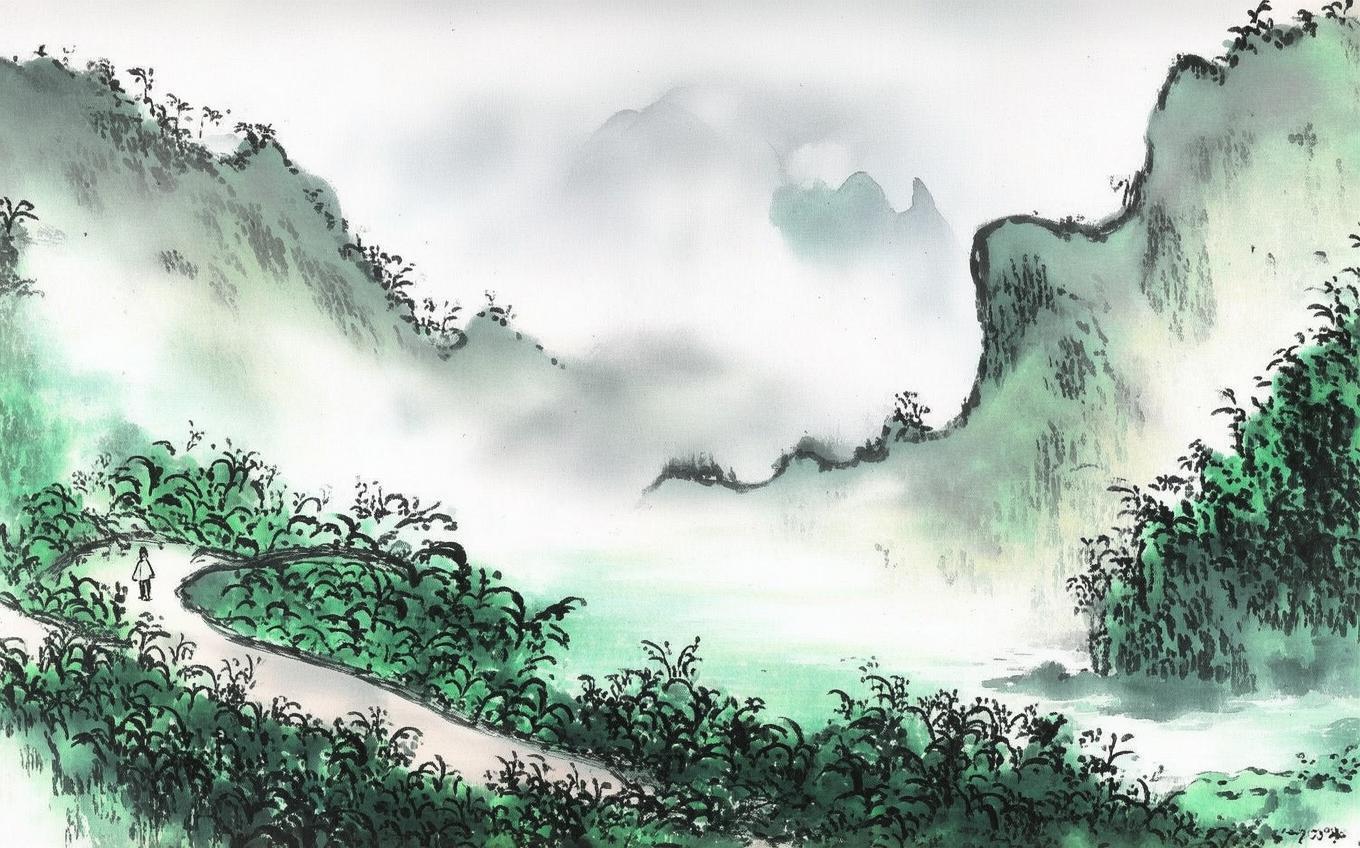
"North and south of my cottage, spring waters surround"
- The poem opens with a tranquil rural scene, emphasizing isolation. The "spring waters" symbolize renewal but also seclusion. -
"Only flocks of gulls come by day after day"
- Gulls, often seen as solitary birds, hint at Du Fu's loneliness before the guest's arrival. -
"The flower-lined path has not been swept for guests"
- A humble admission: the poet hasn’t prepared for visitors, suggesting his modest lifestyle. -
"My wicker gate opens now just for you"
- The guest is special—the gate opens only for them, conveying warmth and sincerity. -
"The market's far—my dishes are simple and few"
- Du Fu apologizes for the meager meal, reflecting Confucian humility and honesty. -
"My home is poor—only old wine to share"
- Despite poverty, he offers what he has, valuing companionship over material wealth. -
"If you don’t mind, let’s call my old neighbor over"
- Spontaneity and community shine here—the neighbor’s inclusion deepens the joy. -
"Across the fence, we’ll drink the last drops together"
- The rustic image of shouting over a fence captures unpretentious camaraderie.
Themes and Symbolism
- Hospitality: The poem celebrates genuine welcome, where scarcity doesn’t diminish generosity.
- Friendship: The guest’s arrival breaks solitude, turning simplicity into richness.
- Nature: Spring waters and gulls frame the scene, mirroring the poet’s quiet life.
- Poverty and Contentment: Du Fu’s lack of luxury becomes irrelevant in shared joy.
Cultural Context
Written around 760 AD during Du Fu’s exile in Chengdu, this poem reflects Tang Dynasty rural life. Unlike his often somber works, "客至" reveals his lighter, grateful side. The Confucian ideal of ren (仁, benevolence) is evident—Du Fu prioritizes human connection over material lack. The poem also mirrors fengsu (风俗), traditional customs of treating guests with utmost respect, even in hardship.
Conclusion
"客至" is a masterpiece of understated beauty, where Du Fu transforms simplicity into profound warmth. Its enduring appeal lies in its universal message: true hospitality isn’t about lavishness, but openness and shared humanity. In today’s fast-paced world, the poem reminds us to cherish genuine connections, no matter how humble the setting.
Final thought: Du Fu’s wicker gate opens not just to a guest, but to an ethos—that kindness, not wealth, defines a meaningful life.


Comments (0)
No comments yet. Be the first to comment!