Analysis of "题都城南庄" - Classical Chinese Poetry
Introduction
"题都城南庄" (Tí Dūchéng Nán Zhuāng, "Written in a Village South of the Capital") is a famous poem by Cui Hu (崔护), a Tang Dynasty poet. Written in the mid-8th century, it is one of the most celebrated works in Chinese literature, encapsulating themes of fleeting beauty, nostalgia, and lost love. The poem is often associated with a romantic legend—Cui Hu’s encounter with a beautiful girl whom he meets again only to find her gone the following year, symbolizing the transience of life and love.
The Poem: Full Text and Translation
去年今日此门中
Qùnián jīnrì cǐ mén zhōng
Last year on this day, within this very gate,人面桃花相映红
Rénmiàn táohuā xiāng yìng hóng
Her face and peach blossoms mirrored each other in red.人面不知何处去
Rénmiàn bùzhī héchù qù
Now, her face—I know not where it has gone,桃花依旧笑春风
Táohuā yījiù xiào chūnfēng
Only the peach blossoms still smile in the spring breeze.
Line-by-Line Analysis
-
"Last year on this day, within this very gate"
The poem opens with a nostalgic recollection, immediately setting a contrast between past and present. The poet revisits a place where a cherished memory was made. -
"Her face and peach blossoms mirrored each other in red"
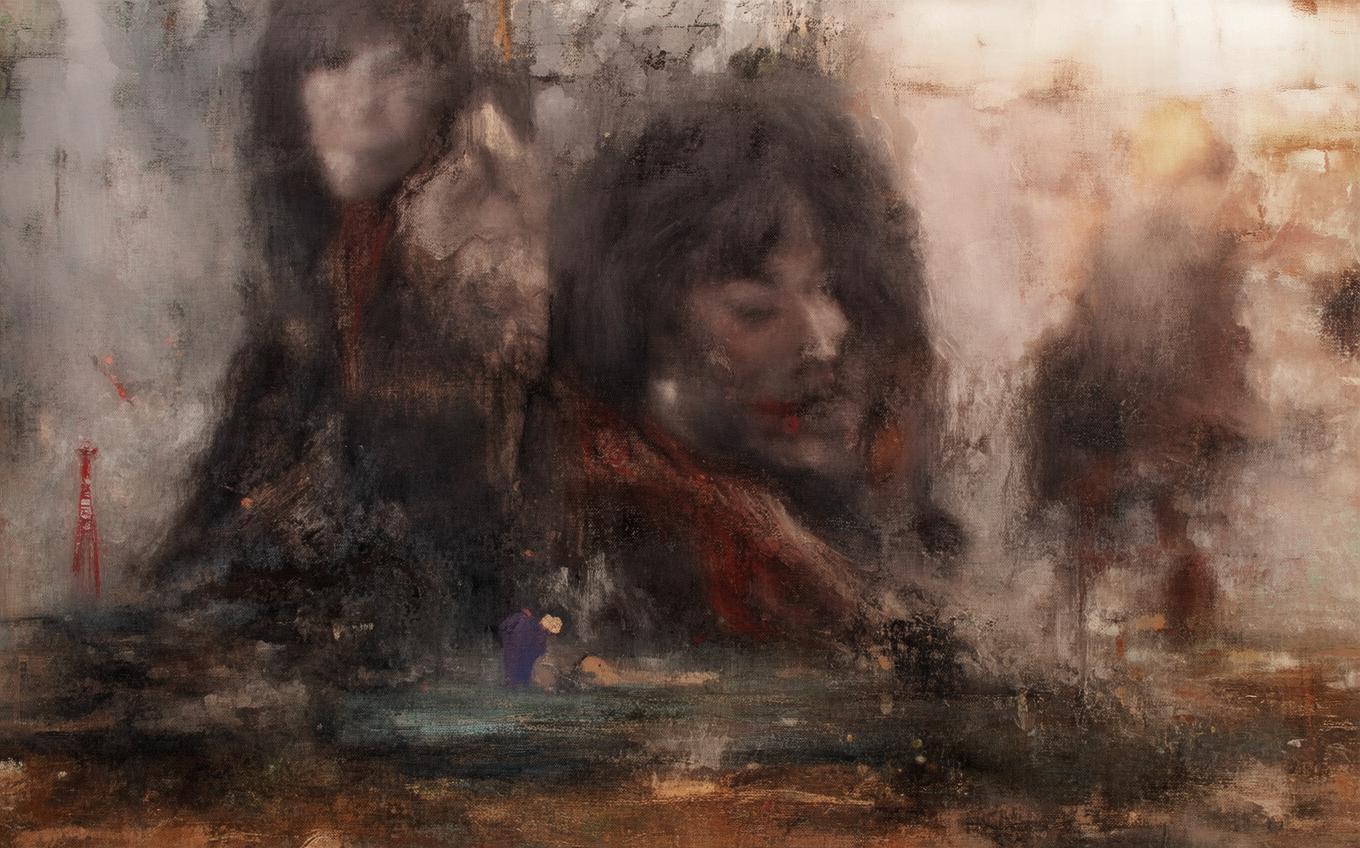
This line paints a vivid image of a beautiful woman standing among blooming peach blossoms, her flushed cheeks blending with the flowers. The peach blossom (táohuā) is a traditional symbol of youth, beauty, and love in Chinese culture. -
"Now, her face—I know not where it has gone"
The tone shifts abruptly—the woman is no longer there, leaving the poet with a sense of loss and longing. The phrase "人面不知" (rénmiàn bùzhī) conveys helplessness and sorrow. -
"Only the peach blossoms still smile in the spring breeze"
Nature remains unchanged, indifferent to human absence. The blossoms "laugh" (xiào), a personification that heightens the contrast between the enduring beauty of nature and the ephemeral nature of human encounters.
Themes and Symbolism
-
Transience of Beauty and Love
The poem reflects the Buddhist-influenced idea of impermanence (wúcháng). The woman’s disappearance symbolizes how fleeting moments of joy and connection can be. -
Nature as a Contrast to Human Experience
While human life is unpredictable, nature follows its cyclical patterns—blossoms return each spring, but people do not. -
Symbol of Peach Blossoms
In Chinese culture, peach blossoms represent romance and vitality but also the passage of time. Here, they serve as a bittersweet reminder of what once was.
Cultural Context
The Tang Dynasty (618–907 CE) was a golden age of Chinese poetry, where themes of love, nature, and melancholy were commonly explored. Cui Hu’s poem became legendary partly because of the folktale attached to it—supposedly, the poet returned to the village to find the girl had died of heartbreak after his departure, making the poem a lament for lost love.
The poem also reflects the Confucian value of cherishing memories and the Daoist appreciation of nature’s constancy amid human change.
Conclusion
"题都城南庄" is a masterpiece of emotional depth and simplicity, capturing the universal experience of longing and the passage of time. Its enduring appeal lies in its ability to evoke both personal and philosophical reflections—how we cherish moments, mourn their loss, and find solace in nature’s unchanging beauty.
Even today, the poem resonates with readers worldwide, reminding us that while people and moments fade, the emotions they inspire remain eternal.

Comments (0)
No comments yet. Be the first to comment!