Analysis of "过故人庄" - Classical Chinese Poetry
Introduction
"过故人庄" (Guò Gùrén Zhuāng, Visiting an Old Friend's Farmhouse) is a pastoral poem by Meng Haoran (689–740), a prominent Tang Dynasty poet known for his nature-themed verses. Written during China's golden age of poetry, this work exemplifies the idyllic rural life celebrated in classical Chinese literature. Meng Haoran, though unsuccessful in his official career, found solace in nature, and his poetry often reflects tranquility, friendship, and harmony with the countryside.
This poem is significant for its simple yet profound depiction of rural hospitality, capturing the essence of Tang Dynasty pastoral poetry and Confucian values of friendship and humility.
The Poem: Full Text and Translation
故人具鸡黍
Gùrén jù jī shǔ
My old friend prepares chicken and millet,邀我至田家
Yāo wǒ zhì tiánjiā
And invites me to his country home.绿树村边合
Lǜ shù cūn biān hé
Green trees encircle the village,青山郭外斜
Qīng shān guō wài xié
Blue mountains slant beyond the walls.开轩面场圃
Kāi xuān miàn cháng pǔ
We open the window facing fields and gardens,把酒话桑麻
Bǎ jiǔ huà sāng má
With wine, we talk of mulberries and hemp.待到重阳日
Dài dào Chóngyáng rì
When the Double Ninth Festival comes,还来就菊花
Hái lái jiù jú huā
I’ll return for the chrysanthemums.
Line-by-Line Analysis
-
Hospitality and Simplicity
- The opening lines depict a humble yet heartfelt invitation. "Chicken and millet" (jī shǔ) symbolize rustic generosity, a traditional meal offered to honored guests. -
Natural Beauty
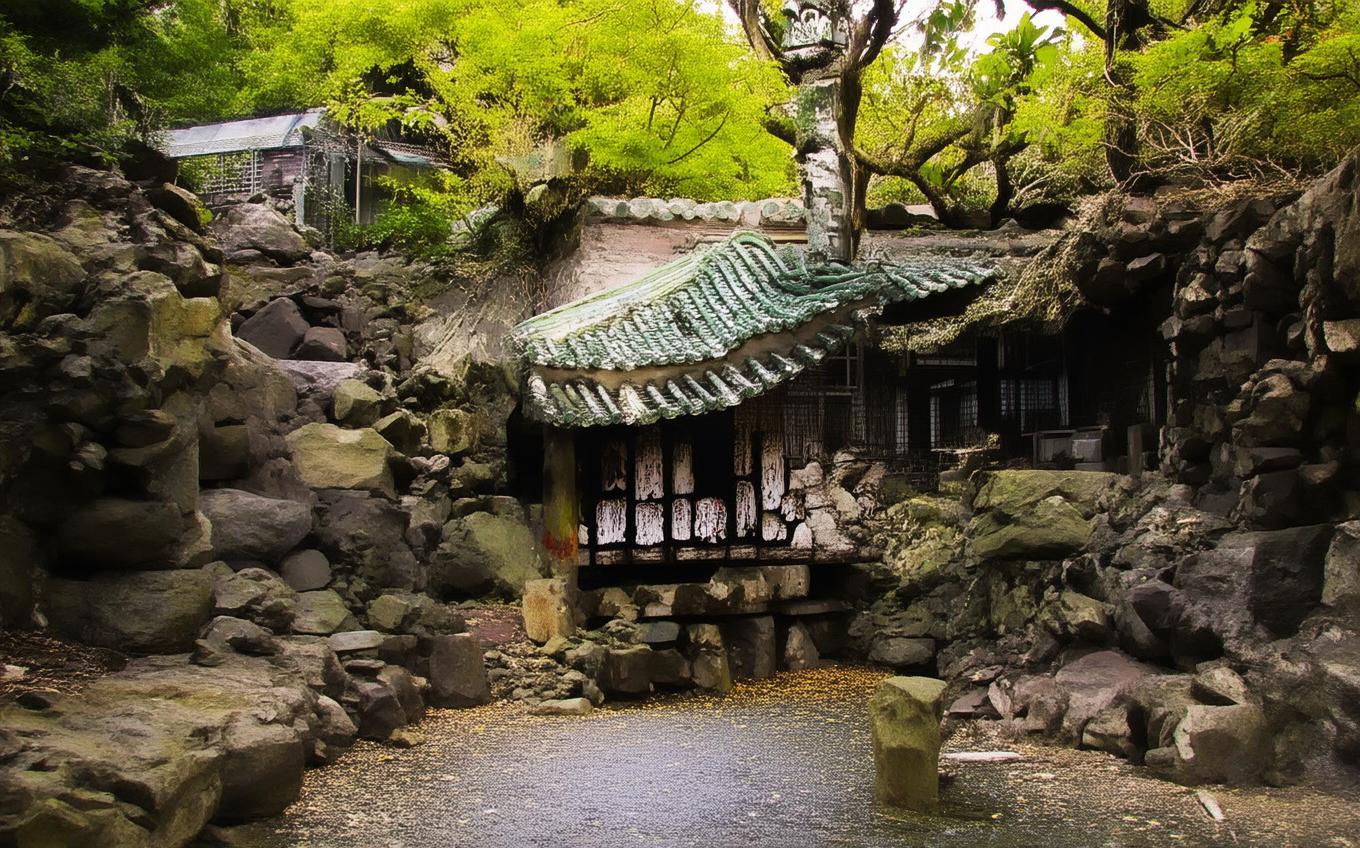
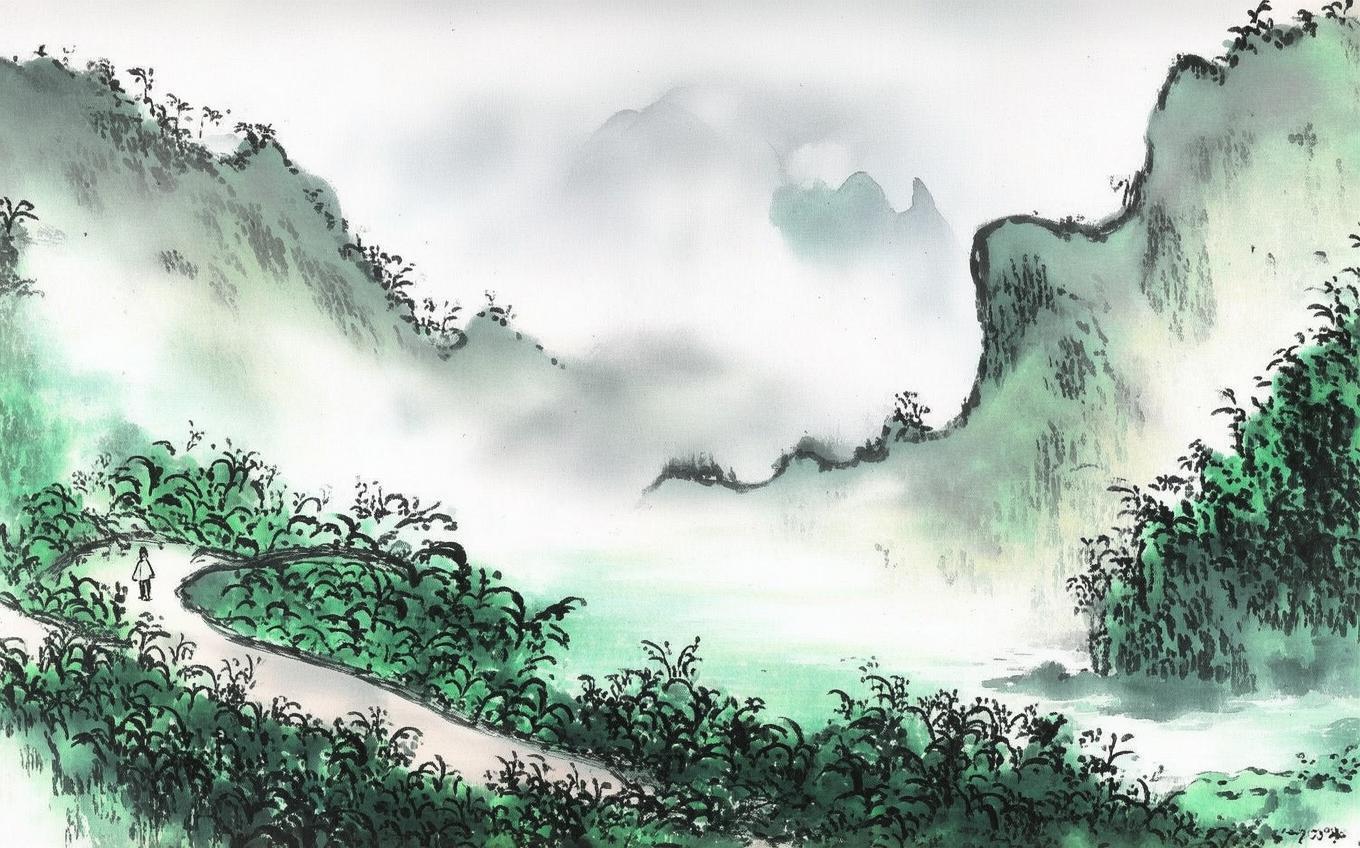
- The imagery of "green trees encircling the village" and "blue mountains beyond the walls" creates a serene, secluded atmosphere, reflecting the harmony between human settlement and nature. -
Rural Life
- The open window facing fields and gardens (cháng pǔ) and the conversation about crops (sāng má, mulberries and hemp) emphasize the connection to agrarian life, a common theme in pastoral poetry. -
Promise of Return
- The mention of the Double Ninth Festival (Chóngyáng), a day for enjoying chrysanthemums and reunions, hints at enduring friendship and the cyclical beauty of rural traditions.
Themes and Symbolism
-
Friendship and Hospitality
- The poem celebrates modest yet sincere hospitality, a Confucian ideal where material simplicity does not diminish warmth. -
Harmony with Nature
- The village surrounded by trees and mountains symbolizes a retreat from urban chaos, aligning with Daoist appreciation for natural balance. -
Seasonal Cycles
- The reference to the Double Ninth Festival underscores the importance of timeliness and tradition in Chinese culture.
Cultural Context
- Tang Dynasty Pastoral Poetry: Meng Haoran was part of the Landscape and Pastoral School, which idealized rural life as a contrast to political turmoil.
- Confucian Values: The poem reflects loyalty to friends (rén, 仁) and respect for simplicity.
- Agricultural Society: Crops like mulberries (for silkworms) and hemp (for cloth) were staples, highlighting the self-sufficiency of rural communities.
Conclusion
"过故人庄" is a masterpiece of understated elegance, where Meng Haoran transforms a simple visit into a meditation on friendship, nature, and contentment. Its enduring appeal lies in its universal message: joy is found not in wealth, but in shared moments and the beauty of the everyday.
For modern readers, the poem is a reminder to appreciate life’s quiet pleasures—a timeless lesson from Tang Dynasty China.
Would you like a deeper dive into Meng Haoran’s other works or Tang Dynasty poetic techniques? Let me know in the comments!

Comments (0)
No comments yet. Be the first to comment!