Analysis of "宿建德江" - Classical Chinese Poetry
Introduction
"宿建德江" (Sù Jiàn Dé Jiāng, "Mooring on the River at Jiande") is a famous poem by Meng Haoran (689–740), a prominent Tang Dynasty poet known for his landscape and pastoral poetry. Meng was a key figure in the Fields and Gardens Poetry School (田园诗派), which celebrated nature and rural life.
This poem, written during Meng's travels, captures the quiet solitude of a night spent by the river. It reflects the Tang Dynasty's artistic emphasis on harmony with nature and the introspective mood of scholars. "宿建德江" is admired for its simplicity, vivid imagery, and profound sense of melancholy, making it a classic of Chinese literature.
The Poem: Full Text and Translation
移舟泊烟渚
Yí zhōu bó yān zhǔ
The boat moves, moored by misty isles.日暮客愁新
Rì mù kè chóu xīn
At dusk, the traveler’s sorrow renews.野旷天低树
Yě kuàng tiān dī shù
The wilds stretch wide; sky lowers to trees.江清月近人
Jiāng qīng yuè jìn rén
The river clear, the moon draws near.
Line-by-Line Analysis
-
"移舟泊烟渚" (The boat moves, moored by misty isles)
- The poem opens with a tranquil scene of a boat anchoring near fog-covered islets. The "mist" (yān) suggests a dreamlike, hazy atmosphere, evoking a sense of transience and solitude. -
"日暮客愁新" (At dusk, the traveler’s sorrow renews)
- Dusk (rì mù) is a traditional poetic motif symbolizing loneliness and reflection. The word "sorrow" (chóu) deepens the mood, hinting at the poet’s homesickness or existential melancholy. -
"野旷天低树" (The wilds stretch wide; sky lowers to trees)
- This line contrasts vast emptiness (野旷) with the intimate image of the sky "lowering" to the trees. It conveys both the grandeur of nature and the traveler’s smallness within it. -
"江清月近人" (The river clear, the moon draws near)
- The clarity of the river mirrors the poet’s introspection. The moon, a symbol of companionship in Chinese poetry, seems to "approach" him, offering solace in his solitude.
Themes and Symbolism
-
Solitude and Traveler’s Melancholy
- The poem embodies the youzi (游子, wanderer) tradition, where travelers express longing for home. The "new sorrow" suggests an ever-present, unresolved ache. -
Nature as a Mirror of Emotion
- Meng Haoran uses nature to reflect inner states: the mist obscures clarity, the dusk deepens sadness, and the moon offers silent empathy. -
Contrast of Vastness and Intimacy
- The expansive wilderness contrasts with the moon’s closeness, mirroring the tension between isolation and the desire for connection.
Cultural Context
- Tang Dynasty Travel Culture: Scholars often journeyed for civil service exams or leisure, making travel poetry a major genre. Meng’s poem reflects the era’s blend of wanderlust and introspection.
- Daoist Influence: The harmony between humans and nature aligns with Daoist ideals of wu wei (无为, effortless action) and finding peace in solitude.
- Moon Symbolism: In Chinese culture, the moon represents reunion, purity, and emotional resonance. Here, it becomes a silent companion to the lonely poet.
Conclusion
"宿建德江" is a masterpiece of understated beauty, using minimal words to evoke profound emotion. Meng Haoran’s ability to merge landscape with feeling makes the poem timeless. For modern readers, it speaks to universal experiences of solitude, the search for meaning, and the comfort found in nature’s quiet moments.
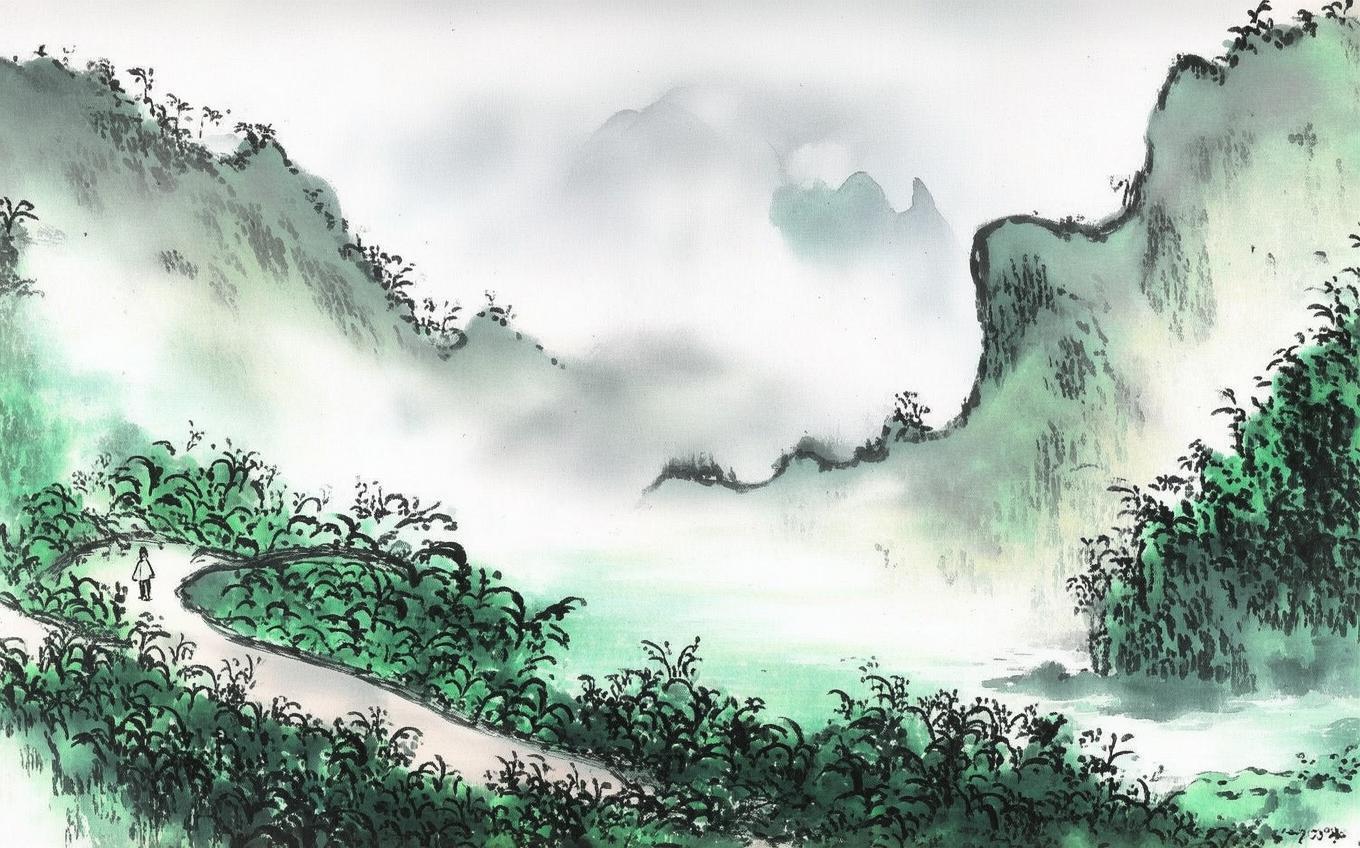
As you read, imagine the misty riverbank, the vast sky, and the moon’s gentle glow—a scene that transcends time and culture, inviting us all to pause and reflect.

Comments (0)
No comments yet. Be the first to comment!