Analysis of "西江月·夜行黄沙道中" - Classical Chinese Poetry
Introduction
The poem "西江月·夜行黄沙道中" (Xī Jiāng Yuè·Yè Xíng Huáng Shā Dào Zhōng, "Moon over the West River—Night Journey on Yellow Sand Road") was written by Xin Qiji (辛弃疾, 1140–1207), a renowned poet and military leader of the Southern Song Dynasty. Known for his ci (lyric poetry) style, Xin Qiji often blended themes of patriotism, nature, and personal reflection. This particular poem captures a serene night journey through the countryside, blending vivid imagery with philosophical depth. It remains one of the most celebrated works in classical Chinese literature for its lyrical beauty and emotional resonance.
The Poem: Full Text and Translation
Original Text & Translation
明月别枝惊鹊
Míng yuè bié zhī jīng què
The bright moon startles the crow on a swaying branch,清风半夜鸣蝉
Qīng fēng bàn yè míng chán
A light breeze sends cicadas’ song at midnight.稻花香里说丰年
Dào huā xiāng lǐ shuō fēng nián
Amid rice flowers’ scent, talk of a good harvest year,听取蛙声一片
Tīng qǔ wā shēng yī piàn
Listen—a chorus of frogs fills the air.七八个星天外
Qī bā gè xīng tiān wài
Seven or eight stars beyond the horizon,两三点雨山前
Liǎng sān diǎn yǔ shān qián
Two or three raindrops before the mountain.旧时茅店社林边
Jiù shí máo diàn shè lín biān
The old thatched inn beside the village shrine’s grove—路转溪桥忽见
Lù zhuǎn xī qiáo hū jiàn
The path turns—there it is, beyond the creek bridge!
Line-by-Line Analysis
-
"The bright moon startles the crow on a swaying branch"
- The opening line sets a tranquil yet dynamic scene. The moon is so bright that it disturbs a resting crow, suggesting both stillness and sudden movement. -
"A light breeze sends cicadas’ song at midnight"
- The breeze and cicadas create an auditory landscape, immersing the reader in a summer night’s atmosphere. -
"Amid rice flowers’ scent, talk of a good harvest year"
- The fragrance of rice flowers symbolizes prosperity, while villagers’ murmurs about the harvest reflect rural life’s simple joys. -
"Listen—a chorus of frogs fills the air"
- Frogs were traditionally seen as heralds of rain and fertility in Chinese culture, reinforcing the theme of abundance. -
"Seven or eight stars beyond the horizon"
- The sparse stars suggest a vast, open sky, contrasting with the earlier intimate details. -
"Two or three raindrops before the mountain"
- A subtle hint of rain adds unpredictability, mirroring life’s fleeting moments. -
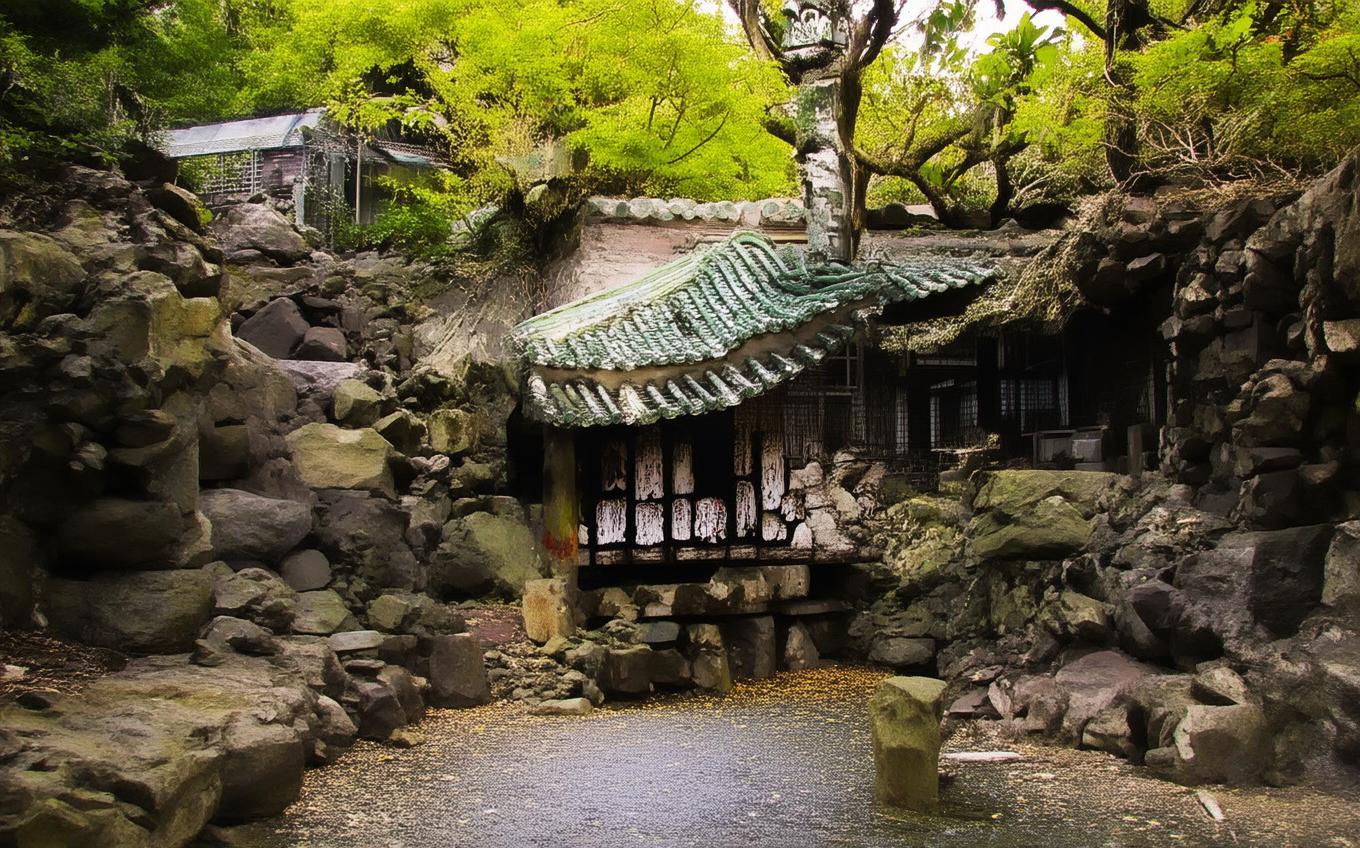
"The old thatched inn beside the village shrine’s grove"
- The poet recalls a familiar landmark, blending memory with the present journey. -
"The path turns—there it is, beyond the creek bridge!"
- The sudden reappearance of the inn conveys surprise and nostalgia, closing the poem on a note of rediscovery.
Themes and Symbolism
Nature’s Harmony
The poem is rich in natural imagery—moonlight, wind, cicadas, frogs, and stars—all working in unison. This reflects the Daoist ideal of harmony between humans and nature.
Transience and Memory
Xin Qiji contrasts fleeting moments (raindrops, a startled crow) with enduring landmarks (the thatched inn), suggesting nostalgia for simpler times.
Agricultural Life
References to rice flowers and frogs highlight the poet’s appreciation for rural livelihoods, a common theme in ci poetry.
Cultural Context
Xin Qiji lived during a tumultuous era when northern China was occupied by the Jin Dynasty. Though known for his patriotic verses, this poem reveals his softer, contemplative side. The ci form, originating from song lyrics, allowed poets to blend personal emotion with vivid description.
The "West River Moon" (Xī Jiāng Yuè) was a popular ci melody, often used for reflective or lyrical compositions. The poem’s structure—alternating lines of 6 and 7 characters—creates a rhythmic, almost musical flow.
Conclusion
"西江月·夜行黄沙道中" is a masterpiece of understated beauty, capturing a single night’s journey with profound simplicity. Xin Qiji’s ability to weave sensory details—sounds, scents, and sights—into a cohesive whole makes this poem timeless. For modern readers, it offers a glimpse into the introspective elegance of classical Chinese poetry, where every image carries deeper meaning.
In an age of constant motion, this poem reminds us to pause and appreciate the quiet moments—the rustle of wind, the scent of rice flowers, and the joy of rediscovering familiar paths.

Comments (0)
No comments yet. Be the first to comment!