Analysis of "芙蓉楼送辛渐" - Classical Chinese Poetry
Introduction
"芙蓉楼送辛渐" (Fúróng Lóu Sòng Xīn Jiàn) is a famous farewell poem written by the Tang Dynasty poet Wang Changling (王昌龄, 698–757). Wang was a prominent figure in the High Tang period, known for his mastery of the jueju (绝句), a four-line poetic form. This poem, composed during his exile, reflects the deep friendship between the poet and his departing friend, Xin Jian. It is celebrated for its elegant simplicity, emotional depth, and vivid imagery, making it a timeless piece in Chinese literature.
The Poem: Full Text and Translation
寒雨连江夜入吴
Hán yǔ lián jiāng yè rù Wú
Cold rain merges with the river at night as I enter Wu.平明送客楚山孤
Píngmíng sòng kè Chǔ shān gū
At dawn, I bid you farewell—only lonely Chu mountains remain.洛阳亲友如相问
Luòyáng qīnyǒu rú xiāng wèn
If my friends and family in Luoyang ask of me,一片冰心在玉壶
Yī piàn bīng xīn zài yù hú
Tell them my heart is pure as ice in a jade vessel.
Line-by-Line Analysis
-
"Cold rain merges with the river at night as I enter Wu."
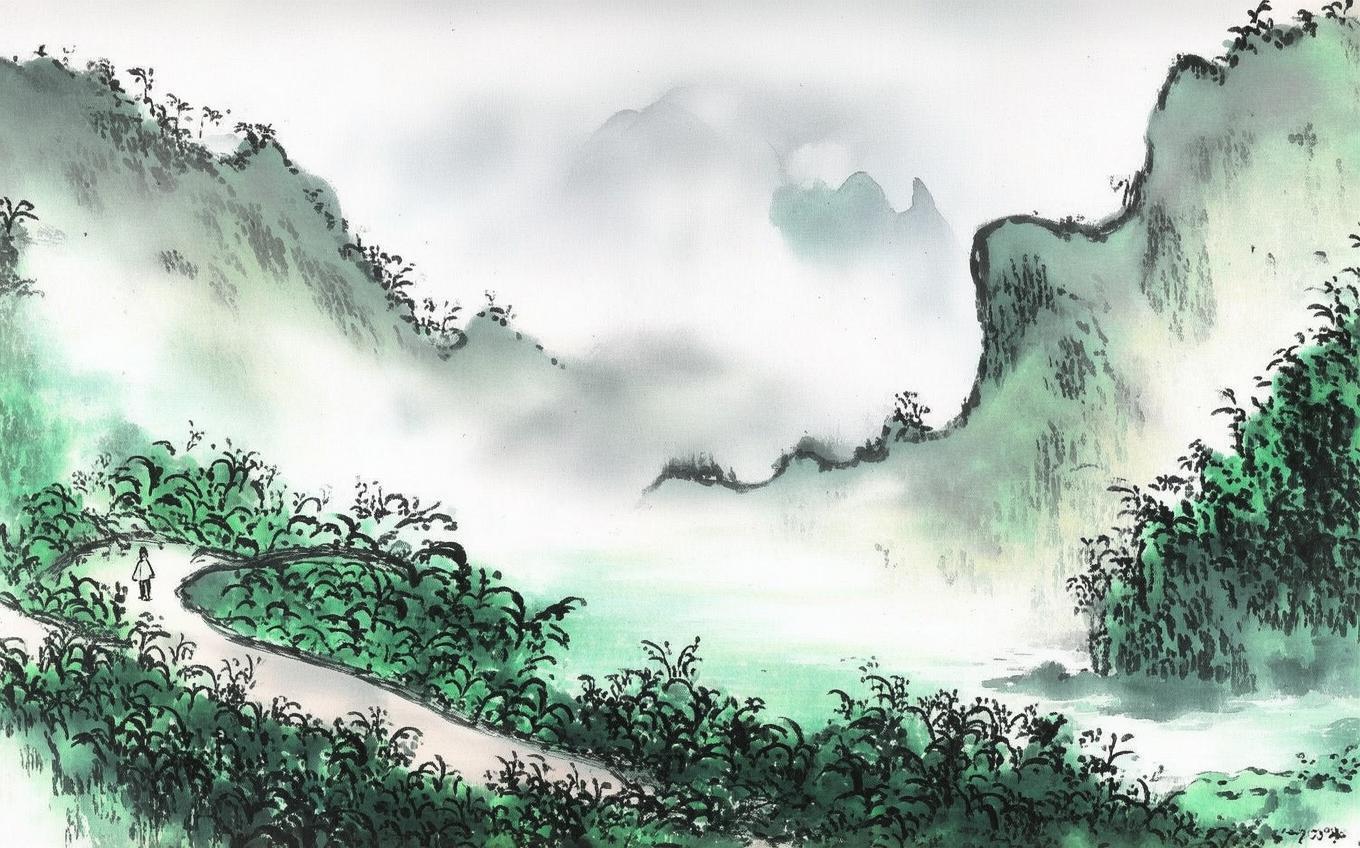
- The opening line sets a melancholic tone with the imagery of cold rain blending into the river, symbolizing the poet's sorrow. "Wu" refers to the region near present-day Zhenjiang, where the farewell takes place. -
"At dawn, I bid you farewell—only lonely Chu mountains remain."
- The "lonely Chu mountains" reflect the poet’s solitude after his friend departs. The vast, empty landscape mirrors his emotional state. -
"If my friends and family in Luoyang ask of me..."
- The poet anticipates inquiries from loved ones, showing his concern for how he is perceived despite his exile. -
"Tell them my heart is pure as ice in a jade vessel."
- The famous closing line uses the metaphor of "ice in a jade vessel" (bīng xīn yù hú) to declare his integrity and unblemished character, despite political hardships.
Themes and Symbolism
- Friendship and Farewell: The poem captures the bittersweet emotions of parting, a common theme in Tang poetry.
- Purity and Integrity: The "ice heart in a jade pot" symbolizes moral clarity and resilience, a Confucian ideal of unwavering virtue.
- Nature as Emotion: The rain, river, and mountains serve as extensions of the poet’s inner turmoil and solitude.
Cultural Context
Wang Changling wrote this poem during a period of political exile, a fate many Tang officials faced. The reference to Luoyang—a cultural and political hub—highlights his longing for home and validation. The jade vessel metaphor aligns with traditional Chinese values of purity and honor, often associated with scholars and gentlemen (junzi 君子).
Conclusion
"芙蓉楼送辛渐" is a masterpiece of emotional restraint and lyrical beauty. Its enduring appeal lies in its universal themes of friendship, integrity, and the interplay between human emotion and nature. Even today, the poem resonates as a testament to inner strength and the enduring bonds between friends. For readers exploring Chinese poetry, Wang Changling’s work offers a profound glimpse into the soul of Tang Dynasty literature.

Comments (0)
No comments yet. Be the first to comment!