
Analysis of "天净沙·秋思" - Classical Chinese Poetry
Introduction
"天净沙·秋思" (Tiān Jìng Shā · Qiū Sī), often translated as Autumn Thoughts, is one of the most famous Chinese poems from the Yuan Dynasty (1271–1368). Written by the renowned poet 马致远 (Mǎ Zhìyuǎn), it is celebrated for its minimalist yet evocative depiction of autumn melancholy and wanderer’s loneliness.
This poem belongs to the 散曲 (sǎnqǔ) genre, a type of lyrical poetry that blends classical elegance with folk influences. Its enduring popularity lies in its ability to convey profound solitude and nostalgia through simple, vivid imagery—a hallmark of Chinese literary aesthetics.
The Poem: Full Text and Translation
Original Text, Pinyin, and Translation
枯藤老树昏鸦
Kū téng lǎo shù hūn yā
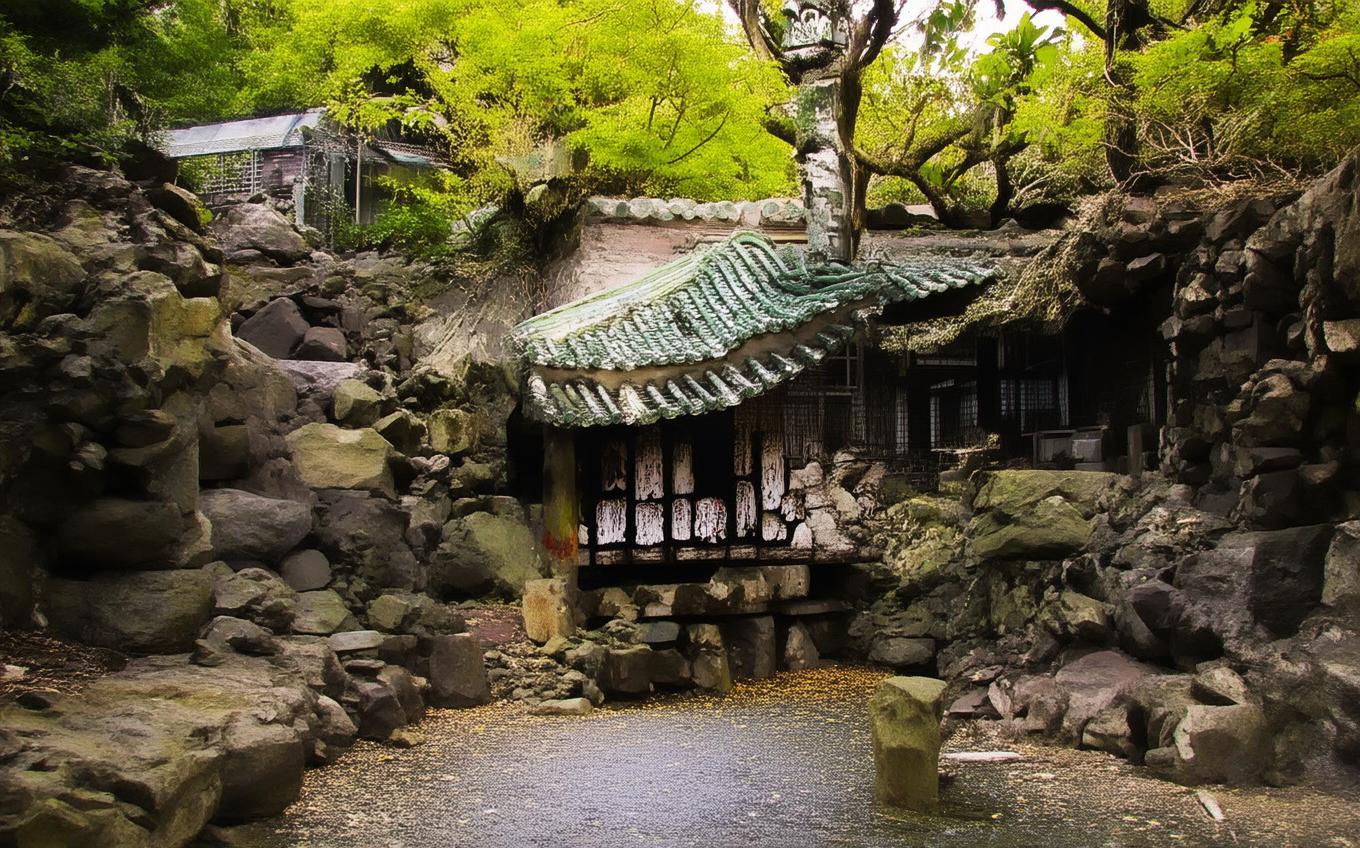
Withered vines, ancient trees, dusk-crows小桥流水人家
Xiǎo qiáo liú shuǐ rén jiā
Small bridge, flowing water, a village home古道西风瘦马
Gǔ dào xī fēng shòu mǎ
Ancient road, west wind, gaunt horse夕阳西下
Xī yáng xī xià
The setting sun westward sinks断肠人在天涯
Duàn cháng rén zài tiān yá
A heartbroken wanderer at the world’s edge
Line-by-Line Analysis
Line 1: "枯藤老树昏鸦"
- Imagery: Withered vines, old trees, and crows at dusk create a desolate scene.
- Symbolism: Decay (枯藤), age (老树), and darkness (昏鸦) foreshadow loneliness.
- Emotion: A sense of time’s passage and inevitable decline.
Line 2: "小桥流水人家"
- Contrast: The peaceful image of a village (人家) contrasts with the desolation of Line 1.
- Cultural Note: "小桥流水" (small bridge, flowing water) is a classical trope for idyllic rural life.
- Emotion: The wanderer sees but cannot belong to this warmth.
Line 3: "古道西风瘦马"
- Journey Motif: The "ancient road" suggests a long, wearying travel.
- Nature’s Harshness: The "west wind" (cold, autumn wind) and "gaunt horse" emphasize hardship.
Line 4: "夕阳西下"
- Time Symbolism: The setting sun marks the end of a day—and metaphorically, life’s twilight.
Line 5: "断肠人在天涯"
- Climax: "断肠人" (heartbroken person) embodies deep sorrow; "天涯" (world’s edge) suggests exile.
- Universal Theme: The pain of displacement resonates across cultures.
Themes and Symbolism
1. Loneliness and Longing
- The poem’s core emotion is 羁旅之思 (jī lǚ zhī sī)—the sorrow of a traveler far from home.
2. Nature as a Mirror of Emotion
- Autumn (秋) in Chinese poetry often symbolizes decay and reflection. The bleak landscape mirrors the wanderer’s inner void.
3. Minimalism and Suggestion
- With just 28 characters, the poem omits verbs, relying on juxtaposed images (e.g., "瘦马" implies exhaustion without stating it).
Cultural Context
Yuan Dynasty and Literati Melancholy
- Many scholars, including Ma Zhiyuan, lived under Mongol rule, feeling displaced from their cultural roots. This poem subtly critiques political instability.
Influence on Later Art
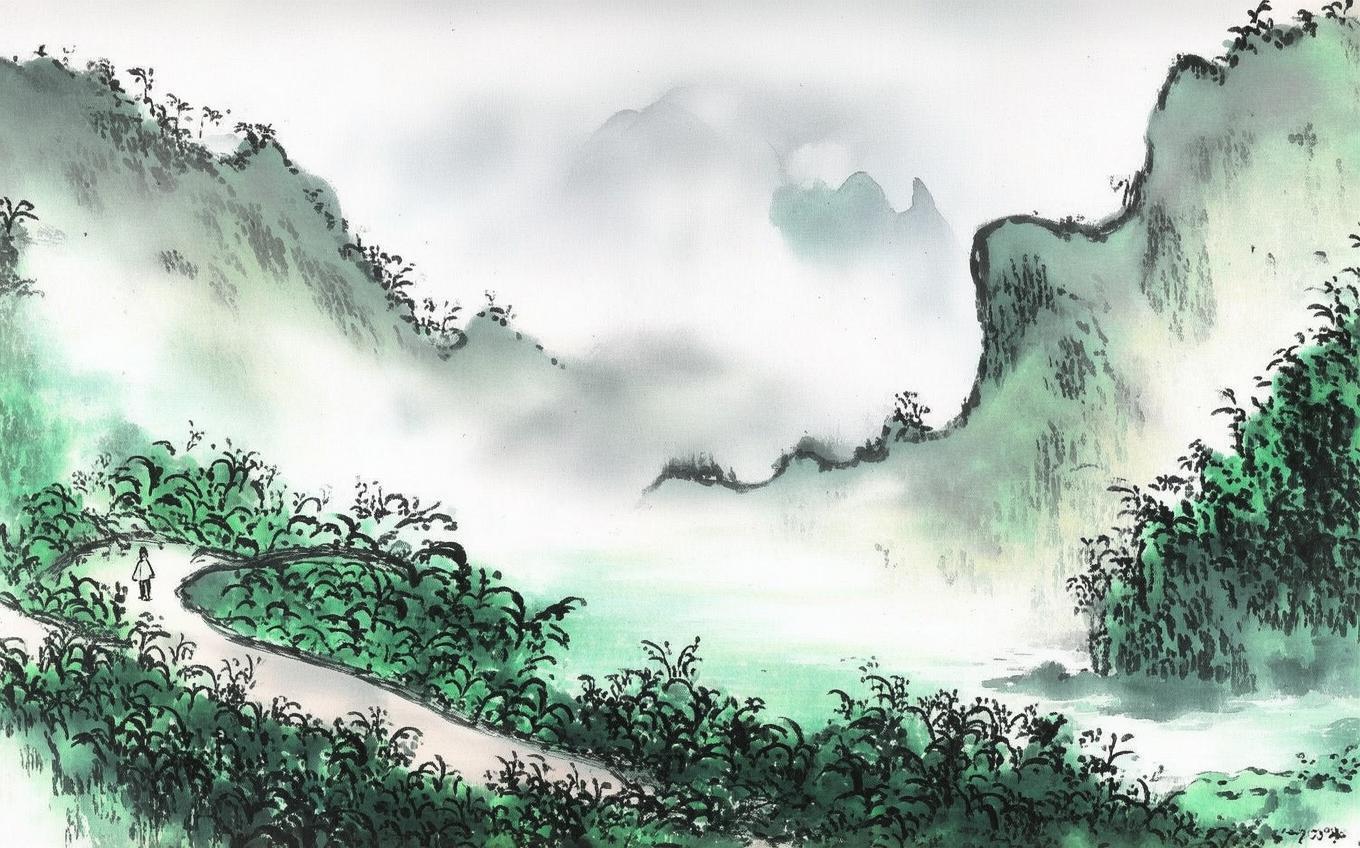
- The poem inspired countless paintings and musical adaptations, cementing its place as a masterpiece of 意境 (yìjìng)—"artistic mood."
Conclusion
"天净沙·秋思" captures the essence of Chinese poetic beauty: sparse yet profound, personal yet universal. Its depiction of a lone figure against an autumn landscape speaks to anyone who has felt the ache of distance—whether from home, love, or one’s own past.
Today, the poem remains a timeless meditation on transience and the human condition. As you read it, let the images linger: the crows, the bridge, the sinking sun. In their quietude, they hold the weight of a thousand sighs.
Final Thought:
"The shortest poems often carry the longest echoes."
Would you like a deeper dive into any specific line or cultural reference?

Comments (0)
No comments yet. Be the first to comment!