
Analysis of "泊秦淮" - Classical Chinese Poetry
Introduction
The poem "泊秦淮" (Mooring on the Qinhuai River) was written by the Tang Dynasty poet Du Mu (803–852), a master of the jueju (绝句) form of short lyrical poetry. Set against the backdrop of late Tang decline, the poem reflects on the fleeting nature of pleasure and the poet's concern for his country's fate. This work is celebrated for its subtle social commentary wrapped in beautiful imagery, exemplifying how classical Chinese poetry blends aesthetic beauty with profound meaning.
The Poem: Full Text and Translation
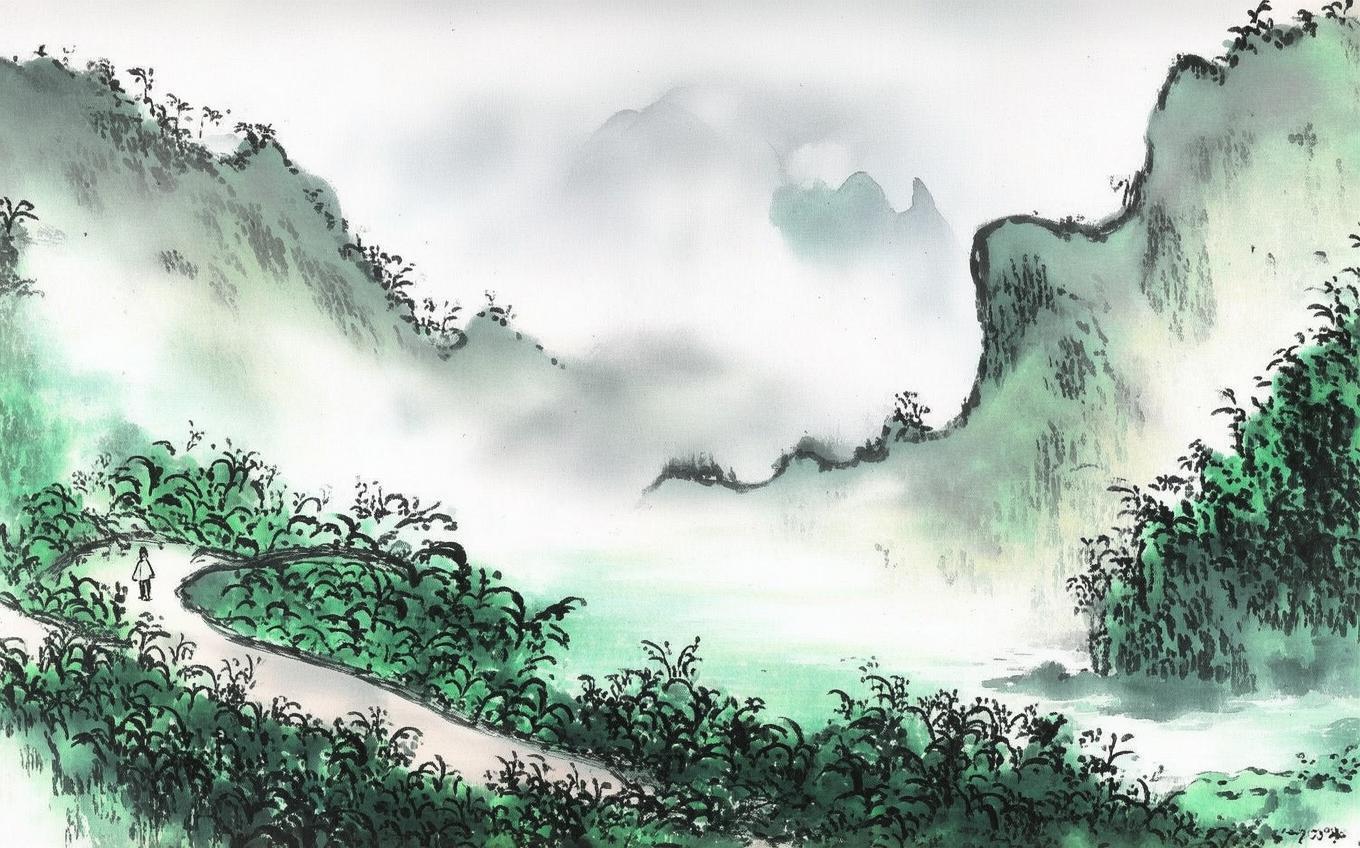
烟笼寒水月笼沙
Yān lóng hán shuǐ yuè lóng shā
Mist veils the cold water, moonlight the sand夜泊秦淮近酒家
Yè bó Qínhuái jìn jiǔ jiā
Mooring at night by Qinhuai near a tavern商女不知亡国恨
Shāng nǚ bù zhī wáng guó hèn
The songstress knows not the grief of a lost kingdom隔江犹唱后庭花
Gé jiāng yóu chàng Hòutíng huā
Still singing "Backyard Flowers" across the river
Line-by-Line Analysis
Lines 1-2: The opening couplet establishes a dreamlike yet melancholic atmosphere. The parallel structure of "mist veils...moonlight veils..." creates a harmonious rhythm while the "cold water" suggests emotional detachment. The Qinhuai River was famous for its pleasure quarters, making the "tavern" a symbol of escapism.
Lines 3-4: The poem's turning point introduces sharp social critique. "Songstress" represents entertainers catering to the elite, while "Backyard Flowers" (Hòutíng huā) was a decadent song composed by Chen Shubao, the last emperor of the Chen Dynasty whose indulgence led to his kingdom's fall. The irony is crushing – revelers sing the very tune that symbolized a previous dynasty's collapse.
Themes and Symbolism
Transience and Warning: The mist and moonlight symbolize beauty's fleeting nature, while the historical allusion serves as a warning against repeating past mistakes. Du Mu uses the pleasure district as a microcosm of a society ignoring impending crisis.
Layered Perspective: The poem moves from observer (lines 1-2) to moral commentator (lines 3-4). This structure mirrors Confucian ideals – first appreciating beauty, then fulfilling the scholar's duty to offer remonstrance.
Sound Symbolism: The onomatopoeic quality of "笼" (lóng, to veil) in the first line evokes the enveloping mist, while the hard "g" sounds in "隔江犹唱" (gé jiāng yóu chàng) create auditory contrast with the earlier soft imagery.
Cultural Context
Written during the Tang Dynasty's decline (9th century), the poem reflects scholar-officials' anxiety as corruption weakened the empire. The Qinhuai River in Nanjing was the capital of several fallen dynasties, making its pleasure boats potent symbols of historical cycles.
The Hòutíng huā reference would have been immediately recognizable to educated readers as shorthand for leadership failure. Du Mu follows the classical "兴观群怨" tradition – using poetry to stimulate emotion, observe society, foster fellowship, and express grievance.
Conclusion
"泊秦淮" masterfully balances lyrical beauty with urgent social commentary. Its enduring power lies in how Du Mu transforms a simple riverside scene into a meditation on collective memory and responsibility. For modern readers, the poem resonates as a timeless warning against complacency in the face of social decay. The delicate imagery and profound subtext exemplify why classical Chinese poetry remains deeply meaningful centuries after its creation.

Comments (0)
No comments yet. Be the first to comment!