Analysis of "行路难" by Li Bai - Classical Chinese Poetry
Introduction
Li Bai (李白, 701–762), also known as Li Po, is one of China's most celebrated poets from the Tang Dynasty. His works are renowned for their romanticism, vivid imagery, and emotional depth. "行路难" ("The Hard Road") reflects Li Bai's personal struggles and philosophical musings on life's challenges. Written during a period of political exile, the poem captures the tension between ambition and disillusionment, a theme that resonates across cultures and eras.
The Poem: Full Text and Translation
Poem 1 of 3 (Most Famous Version)
金樽清酒斗十千
Jīn zūn qīng jiǔ dǒu shí qiān
Golden goblets of clear wine, worth ten thousand coins per barrel,玉盘珍羞直万钱
Yù pán zhēn xiū zhí wàn qián
Jade plates of rare delicacies, priced at enormous sums.停杯投箸不能食
Tíng bēi tóu zhù bù néng shí
Yet I set down my cup and chopsticks, unable to eat,拔剑四顾心茫然
Bá jiàn sì gù xīn máng rán
Draw my sword, gaze around—my heart lost in confusion.欲渡黄河冰塞川
Yù dù Huáng Hé bīng sāi chuān
I long to cross the Yellow River, but ice chokes its flow,将登太行雪满山
Jiāng dēng Tài Háng xuě mǎn shān
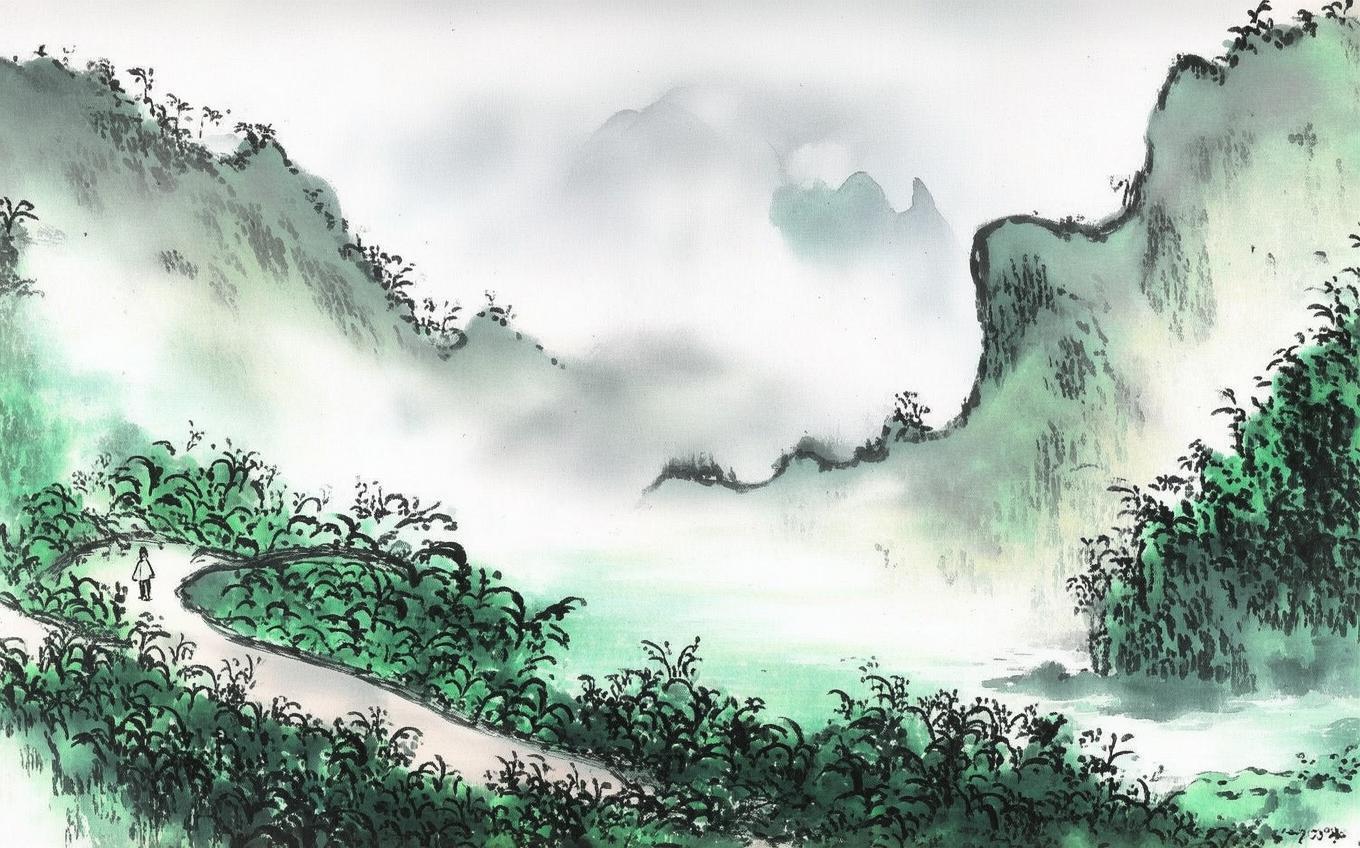
To climb the Taihang Mountains, yet snow buries the peaks.闲来垂钓碧溪上
Xián lái chuí diào bì xī shàng
In idleness, I might fish by an emerald stream,忽复乘舟梦日边
Hū fù chéng zhōu mèng rì biān
Or suddenly sail a boat, dreaming of the sun's edge.行路难,行路难
Xíng lù nán, xíng lù nán
The road is hard, the road is hard,多歧路,今安在
Duō qí lù, jīn ān zài
So many diverging paths—where do they lead now?长风破浪会有时
Cháng fēng pò làng huì yǒu shí
Yet a time will come to ride the wind and break the waves,直挂云帆济沧海
Zhí guà yún fān jì cāng hǎi
Hoist high my cloud-like sail to cross the vast blue sea!
Line-by-Line Analysis
-
Luxury and Discontent: The opening lines depict opulence (golden goblets, jade plates), yet the poet cannot enjoy them—symbolizing inner turmoil despite external wealth.
-
Frustration and Hesitation: "Draw my sword, gaze around" conveys aimlessness, a warrior-poet unsure of his direction.
-
Nature as Obstacle: The frozen Yellow River and snowbound Taihang Mountains represent insurmountable barriers, mirroring Li Bai's thwarted political ambitions.
-
Escapism vs. Ambition: The fishing imagery suggests retreat, while "dreaming of the sun's edge" alludes to serving the emperor (the sun symbolizes the ruler).
-
The Climactic Struggle: The repetition of "the road is hard" emphasizes despair, but the ending shifts to resolve—the iconic metaphor of "riding the wind" embodies perseverance.
Themes and Symbolism
- Struggle and Resilience: The poem moves from frustration to defiant hope, encapsulating the Confucian ideal of enduring hardship with dignity.
- Journey as Metaphor: "The road" (行路) symbolizes life's unpredictable challenges, a common motif in Chinese literature.
- Natural Imagery: Rivers, mountains, and seas reflect cosmic forces shaping human destiny, a Daoist influence.
Cultural Context
Written during the Tang Dynasty's golden age, the poem reflects the era's intellectual ferment. Li Bai, banished from court, channels the literati tradition of using poetry to express political discontent indirectly. The final lines echo a proverb about perseverance (长风破浪), later adopted as a motivational idiom.
Conclusion
"行路难" transcends its historical context, offering universal insights into adversity and hope. Its blend of lyrical beauty and philosophical depth exemplifies why Li Bai remains a global icon. For modern readers, the poem is a reminder that even the hardest roads may lead to transcendent moments—a message as vital today as in eighth-century China.
"Hoist high the sail, ride the wind—for the boundless sea awaits."

Comments (0)
No comments yet. Be the first to comment!