Analysis of "月下独酌" - Classical Chinese Poetry
Introduction
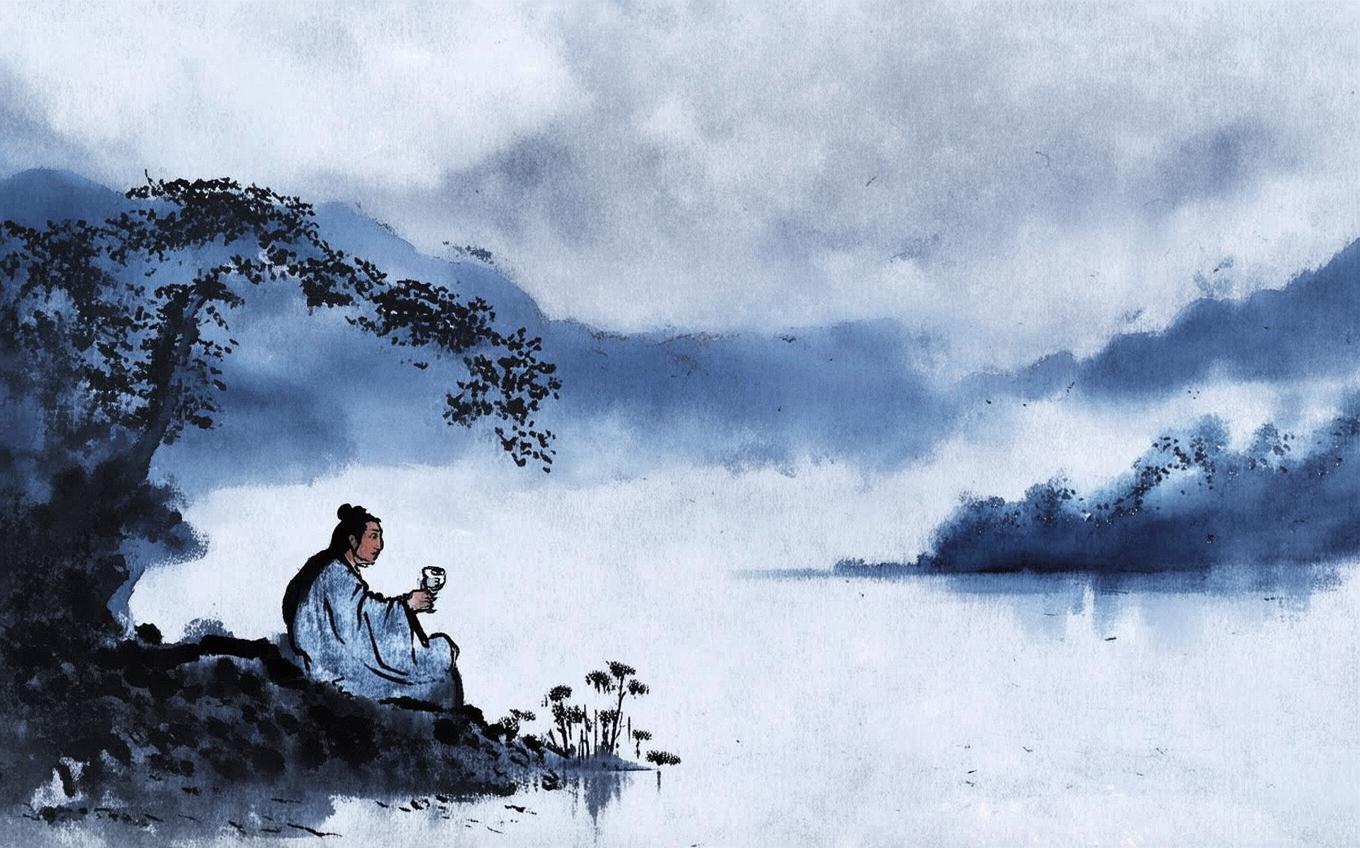
"月下独酌" (Yuè xià dú zhuó, "Drinking Alone Under the Moon") is one of the most famous poems by the legendary Tang Dynasty poet Li Bai (李白, 701–762). Known as the "Immortal Poet" (Shī Xiān), Li Bai was a central figure in China's golden age of poetry, celebrated for his romanticism, love of nature, and free-spirited personality.
This poem captures the essence of Li Bai’s style—whimsical, introspective, and deeply connected to the natural world. Written during a time when Li Bai was politically marginalized, it reflects his ability to find companionship in solitude, using the moon and his shadow as imaginary friends while drinking. The poem remains a masterpiece of Chinese literature, embodying Daoist ideals of harmony with nature and the joys of spontaneity.
The Poem: Full Text and Translation
月下独酌 (四首其一)
Yuè xià dú zhuó (sì shǒu qí yī)
Drinking Alone Under the Moon (First of Four)
花间一壶酒
Huā jiān yī hú jiǔ
Among the flowers, a jug of wine独酌无相亲
Dú zhuó wú xiāng qīn
Drinking alone, no friends near举杯邀明月
Jǔ bēi yāo míng yuè
I raise my cup to the bright moon对影成三人
Duì yǐng chéng sān rén
Facing my shadow, we make three月既不解饮
Yuè jì bù jiě yǐn
The moon, alas, cannot drink影徒随我身
Yǐng tú suí wǒ shēn
My shadow only follows me暂伴月将影
Zàn bàn yuè jiāng yǐng
Yet I’ll keep them as companions行乐须及春
Xíng lè xū jí chūn
For joy must be seized in spring我歌月徘徊
Wǒ gē yuè pái huái
I sing—the moon lingers我舞影零乱
Wǒ wǔ yǐng líng luàn
I dance—my shadow scatters醒时同交欢
Xǐng shí tóng jiāo huān
Sober, we share delight醉后各分散
Zuì hòu gè fēn sàn
Drunk, we part ways永结无情游
Yǒng jié wú qíng yóu
Forever bound in wordless joy相期邈云汉
Xiāng qī miǎo yún hàn
Till we meet in the distant Milky Way
Line-by-Line Analysis
-
"Among the flowers, a jug of wine"
- The poem opens with a serene image of Li Bai drinking amidst nature, suggesting a moment of peace. -
"Drinking alone, no friends near"
- A hint of loneliness, but Li Bai quickly turns solitude into a playful interaction with the moon and his shadow. -
"I raise my cup to the bright moon"
- The moon, a recurring motif in Li Bai’s poetry, becomes his drinking companion—a symbol of purity and constancy. -
"Facing my shadow, we make three"
- A whimsical twist: the poet, his shadow, and the moon form an imaginary trio, transforming loneliness into camaraderie.
5-6. "The moon cannot drink / My shadow only follows me"
- A touch of melancholy—his companions are silent, yet he embraces them anyway, reflecting Daoist acceptance.
7-8. "Yet I’ll keep them as companions / For joy must be seized in spring"
- A carpe diem (及时行乐) philosophy—Li Bai chooses joy despite life’s impermanence.
9-12. "I sing—the moon lingers / I dance—my shadow scatters..."
- A lively scene of spontaneous celebration, blurring the line between reality and imagination.
13-14. "Forever bound in wordless joy / Till we meet in the distant Milky Way"
- A cosmic conclusion, suggesting an eternal bond with nature beyond earthly life.
Themes and Symbolism
-
Solitude and Companionship
- The poem transforms loneliness into a celebration of imaginary friendship, embodying the Daoist idea of harmony with the universe. -
Nature as a Spiritual Companion
- The moon symbolizes constancy and serenity, while the shadow represents the self—both become partners in Li Bai’s introspective joy. -
Carpe Diem (及时行乐)
- The poem urges readers to embrace fleeting moments of happiness, a theme resonant in both Chinese and Western philosophies.
Cultural Context
Li Bai wrote during the Tang Dynasty (618–907), a peak of Chinese cultural flourishing. His poetry reflects Daoist ideals—spontaneity, love of nature, and detachment from worldly concerns. The moon, a symbol of enlightenment in Chinese culture, appears in many of his works, representing a bridge between the human and the divine.
This poem also mirrors the Tang literati’s tradition of "drinking to forget sorrow" (借酒消愁), a way to transcend life’s hardships through art and intoxication.
Conclusion
"月下独酌" is a masterpiece of lyrical beauty and philosophical depth. Li Bai’s ability to find joy in solitude, to dance with the moon and his shadow, speaks to universal human longings for connection and meaning.
Today, the poem remains a timeless reminder to cherish life’s simple pleasures—whether under the moon, with friends, or in the quiet company of one’s own thoughts. As Li Bai shows us, even in loneliness, we are never truly alone.
"Forever bound in wordless joy—
Till we meet in the distant Milky Way."

Comments (0)
No comments yet. Be the first to comment!