Analysis of "蜀道难" - Classical Chinese Poetry
Introduction
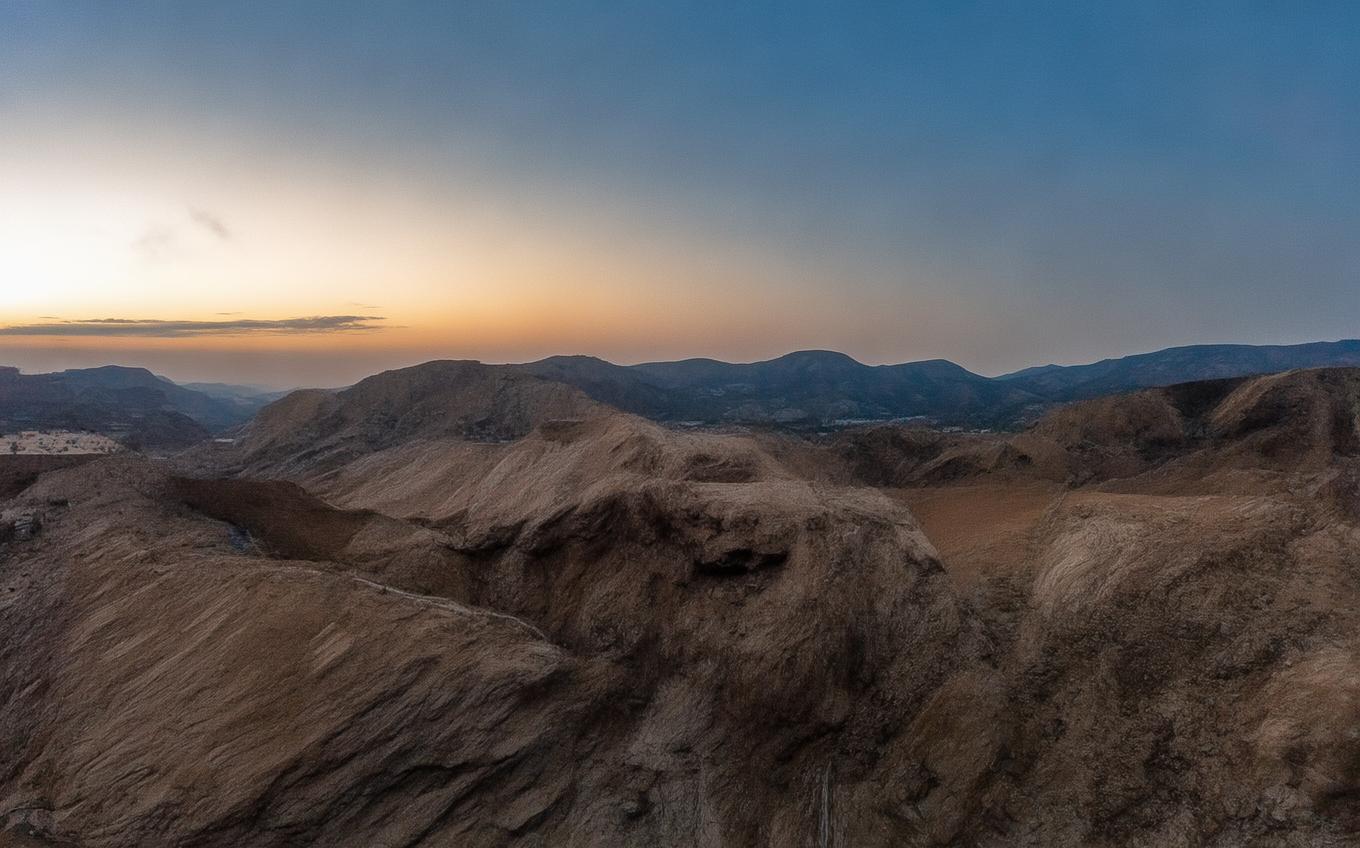
"蜀道难" (Shǔ Dào Nán, "The Hard Road to Shu") is one of the most famous poems by the Tang dynasty poet Li Bai (李白, 701–762). Known as the "Immortal Poet," Li Bai was a master of romantic and exuberant verse, blending Daoist philosophy with vivid natural imagery. This poem describes the perilous journey through the ancient roads leading to Shu (modern-day Sichuan), a region surrounded by treacherous mountains.
Written during the Tang dynasty's golden age of poetry, "蜀道难" exemplifies Li Bai's bold imagination and technical brilliance. It captures both the awe-inspiring beauty and deadly dangers of China's southwestern landscapes, reflecting the Tang fascination with nature's sublime power.
The Poem: Full Text and Translation
Opening Lines
噫吁嚱,危乎高哉!
Yī xū xī, wēi hū gāo zāi!
Ah! How dangerous! How high!蜀道之难,难于上青天。
Shǔ dào zhī nán, nán yú shàng qīng tiān.
The road to Shu is harder than climbing to the blue heavens.
Middle Section
黄鹤之飞尚不得过,猿猱欲度愁攀援。
Huáng hè zhī fēi shàng bù dé guò, yuán náo yù dù chóu pān yuán.
Even yellow cranes cannot fly across, and gibbons despair at climbing.青泥何盘盘,百步九折萦岩峦。
Qīng ní hé pán pán, bǎi bù jiǔ zhé yíng yán luán.
The Blue Mud Pass winds endlessly—nine turns for every hundred steps around cliffs.
Climactic Warning
其险也若此,嗟尔远道之人胡为乎来哉!
Qí xiǎn yě ruò cǐ, jiē ěr yuǎn dào zhī rén hú wéi hū lái zāi!
So perilous is this place—why would travelers from afar come here?
Line-by-Line Analysis
-
"噫吁嚱,危乎高哉!"
The poem opens with an exclamation—a rare emotional outburst in classical poetry. The repetition of "how dangerous, how high!" sets a tone of awe and dread. -
"蜀道之难,难于上青天。"
The central metaphor compares the road to ascending heaven, emphasizing its impossibility. This hyperbole reflects Daoist reverence for celestial realms. -
"黄鹤之飞尚不得过..."
Mythical yellow cranes (symbols of immortality) and agile gibbons fail to traverse these peaks, underscoring the landscape's inhuman difficulty. -
"青泥何盘盘..."
The Blue Mud Pass was a real mountain path notorious for its zigzagging turns. Li Bai transforms geography into a visceral experience. -
"其险也若此..."
The rhetorical question challenges the reader: why brave such danger? This echoes Tang-era themes of ambition versus nature's indifference.
Themes and Symbolism
- Nature’s Supremacy: The poem portrays mountains as both majestic and merciless, dwarfing human efforts.
- Human Struggle: The traveler represents all who confront impossible odds—a metaphor for life’s hardships.
- Daoist Undertones: References to heaven (qīng tiān) and immortal cranes suggest a spiritual journey beyond the physical.
Cultural Context
During the Tang dynasty, Shu was a remote frontier, rich in resources but isolated by terrain. Poets like Li Bai mythologized its landscapes, blending travelogue with existential meditation. "蜀道难" also subtly critiques imperial expansion—the road was built for conquest, yet nature remains unconquerable.
Conclusion
"蜀道难" is more than a description of a dangerous path; it is a meditation on human limits and the sublime power of nature. Li Bai’s wild imagery and emotional intensity make the poem timeless, resonating with anyone who has faced an insurmountable challenge. For modern readers, it offers a window into Tang dynasty aesthetics and China’s enduring poetic spirit.
As Li Bai might say: the journey is impossible—yet we are drawn to it anyway.

Comments (0)
No comments yet. Be the first to comment!