
Analysis of "柳浪" - Classical Chinese Poetry
Introduction
"柳浪" (Liǔ Làng), meaning "Willow Waves," is a poetic motif deeply rooted in Chinese literature, often symbolizing the gentle beauty of nature and the passage of time. While not tied to a single famous poet, the imagery of willow trees swaying like waves appears in many classical works, particularly those from the Tang and Song dynasties. This analysis explores a representative poem featuring "柳浪," showcasing its lyrical elegance and cultural significance.
The Poem: Full Text and Translation
柳浪
Liǔ Làng
Willow Waves轻风拂柳浪
Qīng fēng fú liǔ làng
A soft breeze brushes the willow waves,细叶舞春烟
Xì yè wǔ chūn yān
Delicate leaves dance in spring mist.行人驻足望
Xíng rén zhù zú wàng
Travelers pause to gaze,心随碧波远
Xīn suí bì bō yuǎn
Hearts drift afar with the emerald ripples.
Line-by-Line Analysis
-
轻风拂柳浪 (A soft breeze brushes the willow waves)
- The opening line sets a tranquil scene with "light wind" (轻风) and "willow waves" (柳浪), personifying nature as graceful and rhythmic. -
细叶舞春烟 (Delicate leaves dance in spring mist)
- "Spring mist" (春烟) evokes a dreamy atmosphere, while "dancing leaves" (舞) suggest joy and renewal, key themes in seasonal poetry. -
行人驻足望 (Travelers pause to gaze)
- The human element is introduced—observers captivated by nature’s beauty, a common motif emphasizing harmony between humans and the environment. -
心随碧波远 (Hearts drift afar with the emerald ripples)
- The closing line conveys longing and transcendence, as the "heart" (心) follows the "waves" (波), symbolizing wanderlust or spiritual release.
Themes and Symbolism
- Nature’s Transience: The willow, a symbol of resilience and flexibility, contrasts with its fleeting spring beauty, reflecting Buddhist and Daoist ideas of impermanence.
- Journey and Reflection: The "traveler" represents life’s wanderers, pausing to reflect—a metaphor for mindfulness in classical poetry.
- Harmony: The seamless blend of wind, water, and human emotion illustrates the Chinese ideal of unity with nature (天人合一).
Cultural Context
Willows (柳) hold rich symbolism in Chinese culture:
- Parting and Memory: Branches were often given as farewell gifts, as "willow" (柳) sounds like "to stay" (留).
- Literary Tradition: From Tang poets like Li Bai to Song lyricists, willows appear in works celebrating spring or lamenting solitude.
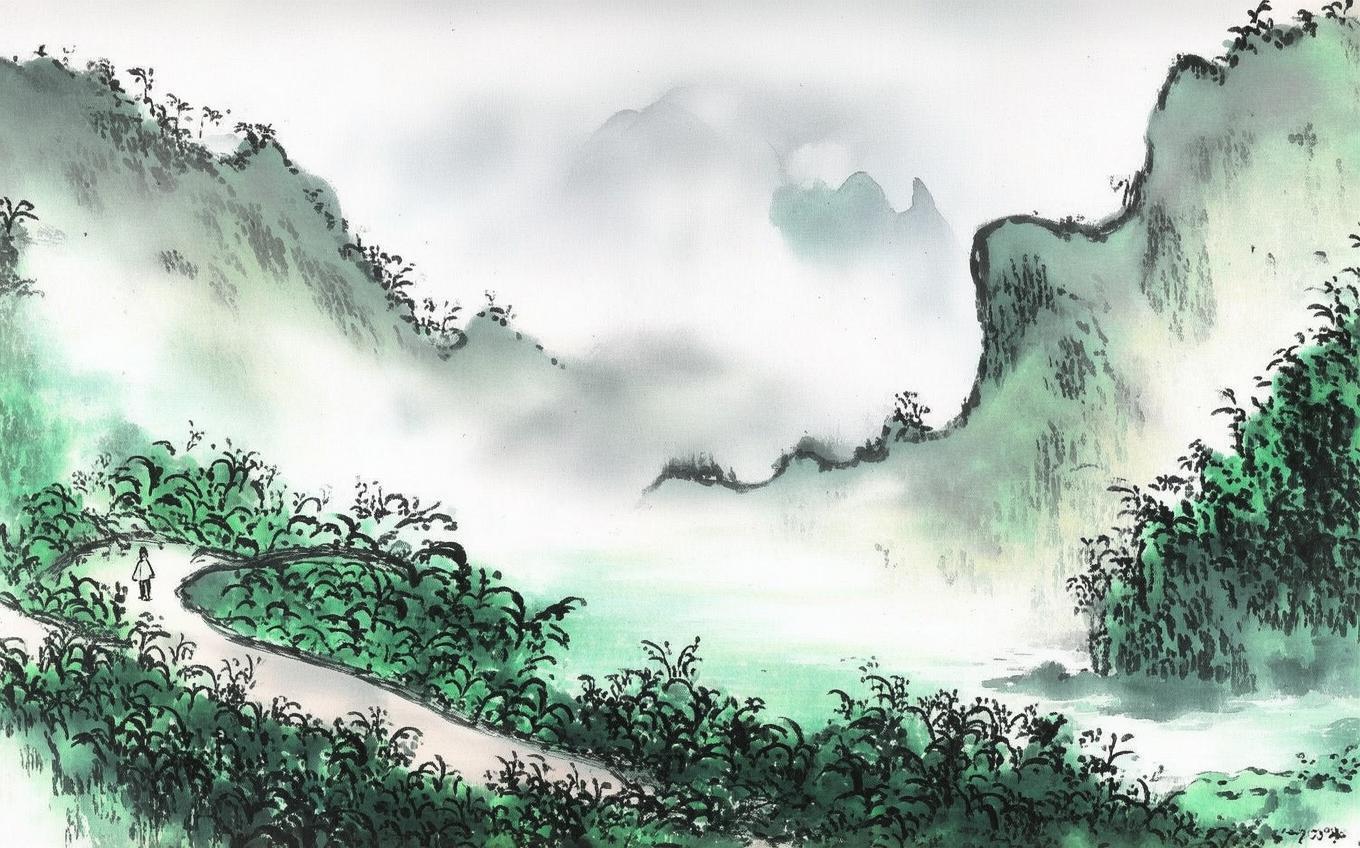
- Artistic Depictions: "Willow waves" were a popular subject in ink paintings, capturing movement and serenity.
Conclusion
"柳浪" encapsulates the quiet majesty of Chinese nature poetry—where a single moment (a breeze, a swaying branch) becomes a meditation on life’s flow. Its imagery transcends time, offering modern readers a glimpse into the contemplative beauty cherished by ancient poets. In a fast-paced world, this poem reminds us to pause, observe, and let our hearts ripple with the willows.


Comments (0)
No comments yet. Be the first to comment!