Analysis of "椒园" - Classical Chinese Poetry
Introduction
"椒园" (Jiāo Yuán, "Pepper Garden") is a lesser-known but exquisite poem by the Tang Dynasty poet Wang Wei (王维, 699–759 CE). Wang Wei was a master of landscape poetry and a devout Buddhist, known for his ability to blend natural imagery with spiritual contemplation. His works often reflect the harmony between humans and nature, a central tenet of Chinese philosophy.
While "椒园" is not as famous as some of Wang Wei's other poems like "Deer Enclosure" (《鹿柴》), it beautifully encapsulates his signature style—simple yet profound, with a quiet elegance that invites deep reflection.
The Poem: Full Text and Translation
桂尊迎帝子,杜若赠佳人。
Guì zūn yíng dì zǐ, dù ruò zèng jiā rén.
With cassia wine, we welcome the noble guest;
With fragrant herbs, we gift the fair lady.椒浆奠瑶席,欲下云中君。
Jiāo jiāng diàn yáo xí, yù xià yún zhōng jūn.
Pepper-infused libations grace the jade mat,
Hoping to summon the Lord of Clouds.
Line-by-Line Analysis
-
"桂尊迎帝子,杜若赠佳人。"
- Cassia wine and fragrant herbs: The poem opens with offerings—cassia (a symbol of nobility) and duruo (a fragrant herb). These gifts suggest a ritualistic or ceremonial context, possibly a tribute to deities or esteemed guests.
- Noble guest and fair lady: "帝子" (dì zǐ) refers to a royal or divine figure, while "佳人" (jiā rén) is a refined beauty. The pairing evokes an atmosphere of reverence and grace. -
"椒浆奠瑶席,欲下云中君。"
- Pepper-infused libations: "椒浆" (jiāo jiāng) was a traditional spiced wine used in ancient rituals. The "jade mat" (yáo xí) signifies purity and luxury.
- Lord of Clouds: "云中君" (yún zhōng jūn) is a deity from the Chu Ci (Songs of Chu) tradition, associated with rain and clouds. The speaker hopes to invoke this divine presence, blending earthly offerings with celestial longing.
Themes and Symbolism
- Ritual and Reverence: The poem centers on ceremonial offerings, reflecting ancient Chinese practices of honoring gods and ancestors. The act of giving—wine, herbs, libations—symbolizes devotion and harmony between humans and the divine.
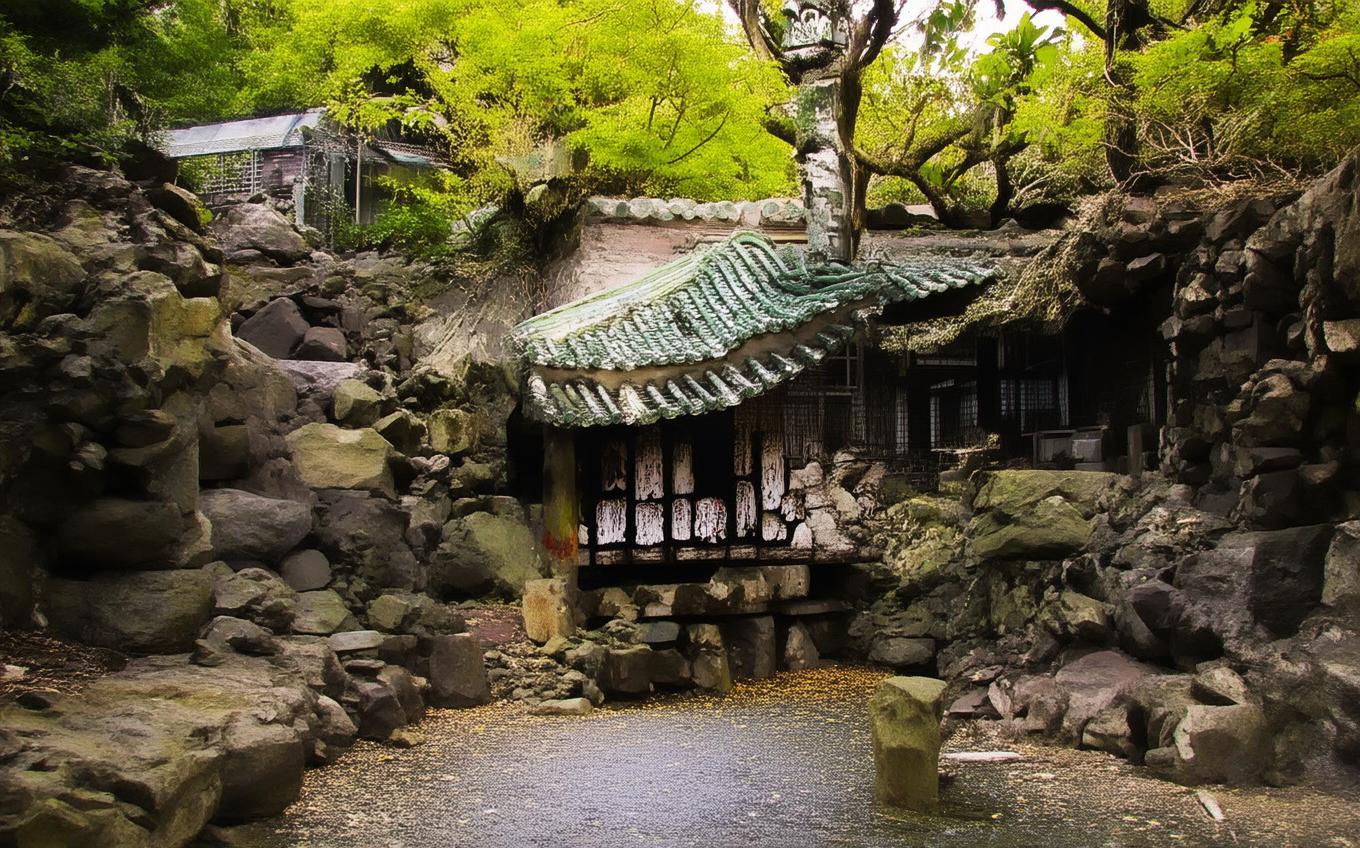
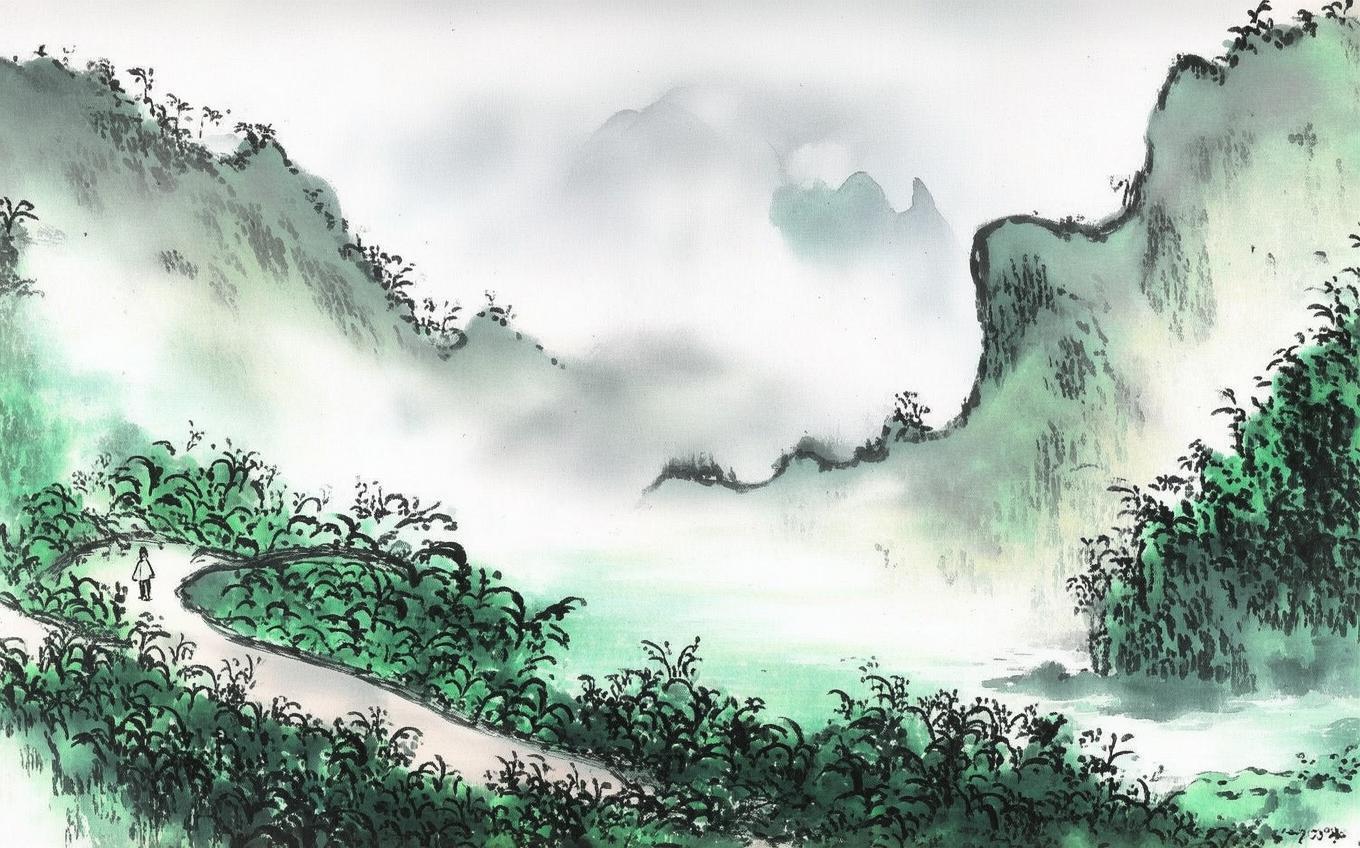
- Nature and Spirituality: Wang Wei often merges natural elements (pepper, herbs, clouds) with spiritual themes. Here, the "Pepper Garden" becomes a sacred space where the earthly and heavenly realms meet.
- Transcendence: The invocation of the Lord of Clouds suggests a desire to transcend the mundane, a common motif in Wang Wei's Buddhist-influenced poetry.
Cultural Context
During the Tang Dynasty, poetry was deeply intertwined with religion, philosophy, and daily life. Wang Wei, a devout Buddhist, infused his works with a sense of stillness and introspection. "椒园" reflects the Tang elite's reverence for nature and the unseen, as well as the influence of Chu Ci mythology.
The use of pepper and herbs also highlights the importance of aromatics in ancient Chinese culture, where they were used in medicine, rituals, and as symbols of moral purity.
Conclusion
"椒园" is a delicate gem in Wang Wei's oeuvre, showcasing his ability to weave simplicity with depth. Through its imagery of offerings and divine invocation, the poem captures a moment of quiet devotion and the timeless human yearning to connect with something greater.
For modern readers, "椒园" offers a glimpse into the spiritual and aesthetic values of ancient China, reminding us of the enduring power of nature and ritual in our lives. Its message of reverence and harmony remains as relevant today as it was over a millennium ago.

Comments (0)
No comments yet. Be the first to comment!