Analysis of "塞下曲·林暗草惊风" - Classical Chinese Poetry
Introduction
The poem "塞下曲·林暗草惊风" (Sāi xià qǔ·Lín àn cǎo jīng fēng) is part of a series of frontier poems by the Tang Dynasty poet 卢纶 (Lú Lún, 739–799). These poems depict life on China's northern borders, where soldiers guarded against nomadic invasions.
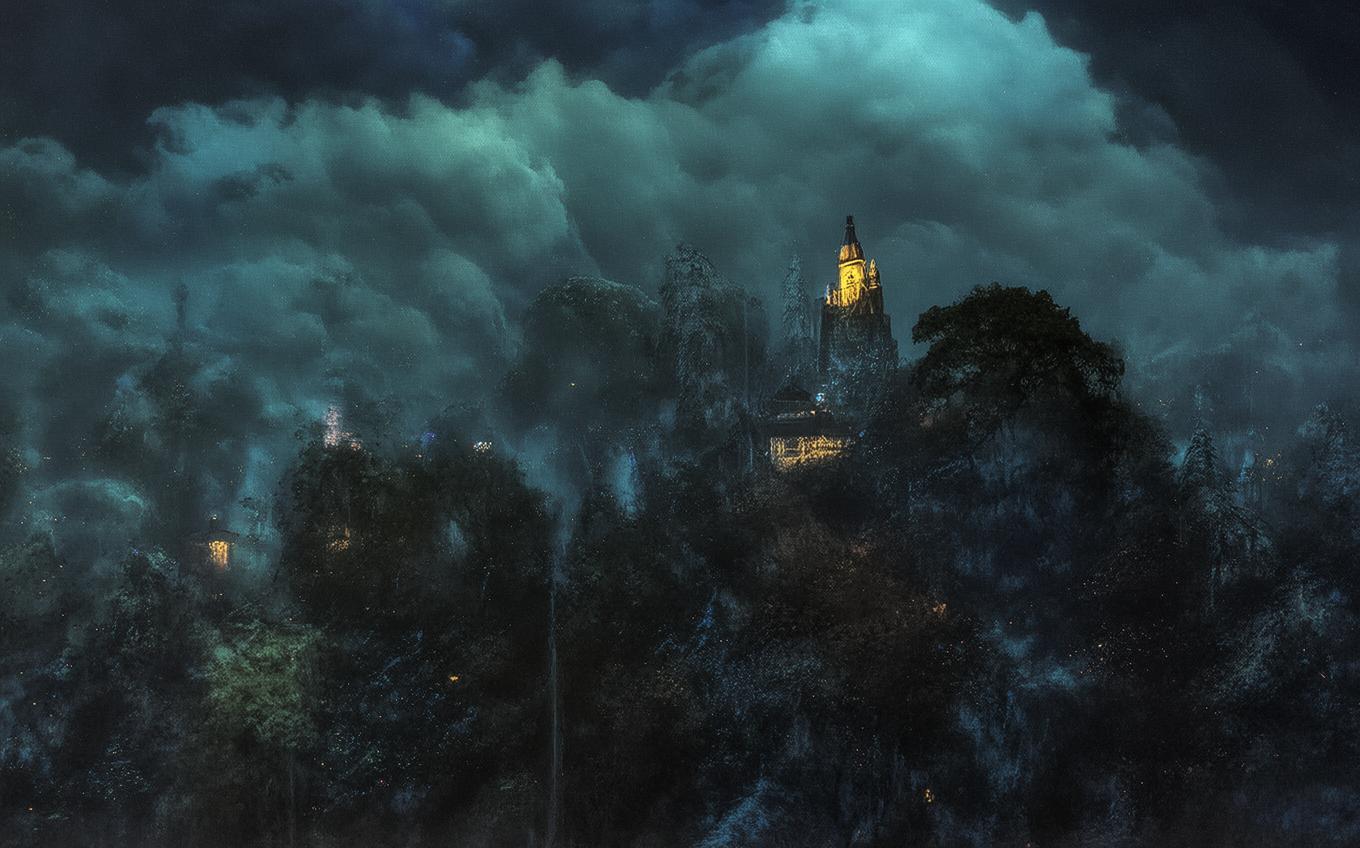
This particular poem captures a tense moment in the wilderness, blending natural imagery with military vigilance. It reflects the Tang Dynasty's frontier culture—where bravery, discipline, and the harsh beauty of nature intertwined.
The Poem: Full Text and Translation
Original Text and Translation
林暗草惊风
Lín àn cǎo jīng fēng
"In the dark woods, grass trembles in the wind"将军夜引弓
Jiāngjūn yè yǐn gōng
"The general draws his bow at night"平明寻白羽
Píngmíng xún bái yǔ
"At dawn, he searches for the white-feathered arrow"没在石棱中
Mò zài shí léng zhōng
"Buried deep in the stone’s edge"
Line-by-Line Analysis
-
林暗草惊风 (Lín àn cǎo jīng fēng)
- Imagery: The dark forest and rustling grass create suspense. The wind is personified as something that "startles" the grass, suggesting unseen danger.
- Military Context: On the frontier, sudden movements could mean an ambush—a soldier must always be alert. -
将军夜引弓 (Jiāngjūn yè yǐn gōng)
- Action: The general reacts instantly, drawing his bow in the darkness.
- Symbolism: His readiness reflects discipline and courage, key virtues in Tang military culture. -
平明寻白羽 (Píngmíng xún bái yǔ)
- Transition: Dawn brings clarity. The "white-feathered arrow" symbolizes precision and skill.
- Irony: Instead of an enemy, the arrow has struck something unexpected. -
没在石棱中 (Mò zài shí léng zhōng)
- Climax: The arrow is embedded in stone—a legendary feat of strength (referencing the Han general 李广 Lǐ Guǎng, whose arrows could pierce boulders).
- Interpretation: The general’s power is so great that even nature bends to his will.
Themes and Symbolism
Themes
- Vigilance: The poem emphasizes the constant alertness required of frontier soldiers.
- Heroism: The general’s superhuman skill elevates him to legendary status.
- Nature’s Power: The wilderness is both a threat and a proving ground for warriors.
Symbols
- The Arrow: Represents martial prowess and the blurred line between myth and reality.
- The Stone: Stands for unyielding challenges—only the truly great can overcome them.
Cultural Context
Tang Dynasty Frontier Poetry
During the Tang Dynasty (618–907), China’s borders were defended by military outposts. Poems like this romanticized the harsh life of soldiers, blending history with folklore.
Historical Reference
The ending alludes to 李广 (Lǐ Guǎng), a Han Dynasty general famous for his archery. His legend symbolized unwavering strength—a model for Tang warriors.
Conclusion
"塞下曲·林暗草惊风" is a masterclass in tension and heroism. In just four lines, Lú Lún paints a vivid scene of danger, skill, and mythic achievement.
For modern readers, the poem speaks to universal themes: the respect for discipline, the awe of nature, and the allure of legends. It reminds us that even in darkness, greatness can strike true—like an arrow finding its mark in stone.
Would you like a deeper dive into Tang military history or comparisons with other frontier poems? Let me know in the comments!
Enjoyed this analysis? Share it with fellow poetry lovers!

Comments (0)
No comments yet. Be the first to comment!